Historic Rosetta
Virtual asset linked to this landmark
- Virtual owner
- The platform
- Times sold
- 0
- Fame on Wikipedia
- 38,905 article reads in 12 months
- Searches (30 days)
- 0
- Watching
- 0
Virtual ownership only. It gives no legal, financial or physical right in the real landmark. Prices are set by the market and may fall.
About Historic Rosetta and its history
A town on the Rosetta branch of the Nile, known for its Ottoman-era houses.
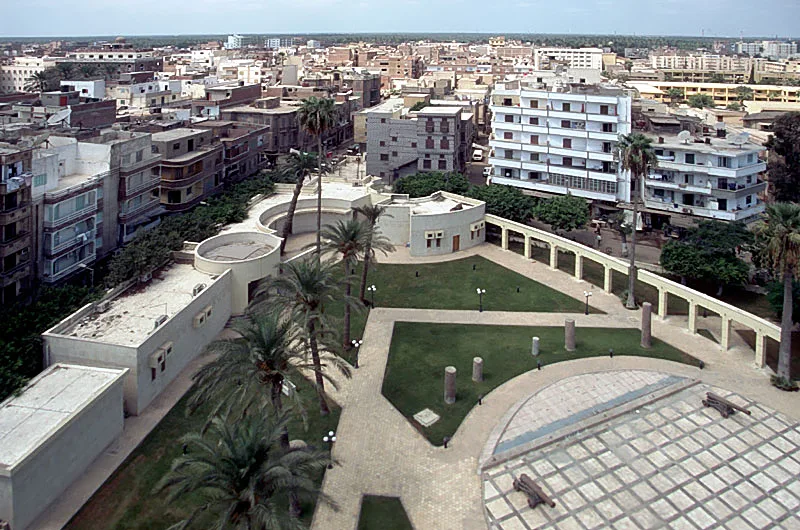
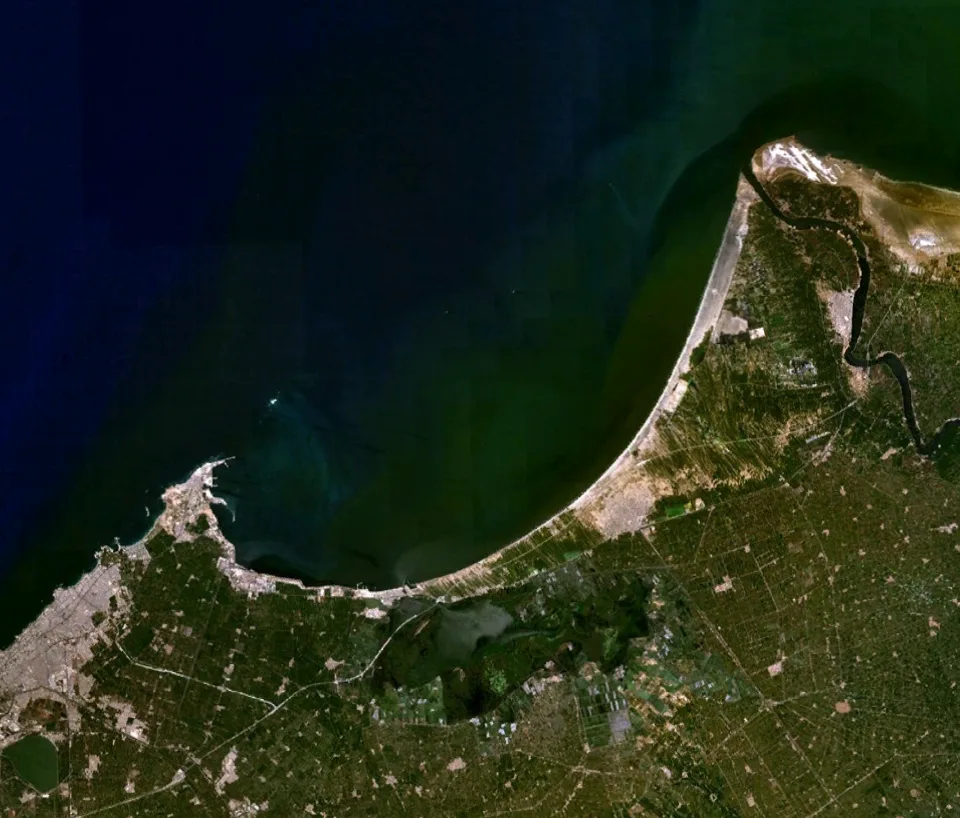
Rosetta ( roh-ZET-ə) or Rashid (Arabic: رشيد, romanized: Rašīd, IPA: [ɾɑˈʃiːd]; Coptic: ϯⲣⲁϣⲓⲧ, romanized: ti-Rashit) is a port city of the Nile Delta, 65 km (40 mi) east of Alexandria, in Egypt's Beheira governorate. The Rosetta Stone was discovered in nearby Fort Julien in 1799.
Founded around the 9th century on the site of the ancient town of Bolbitine, Rosetta boomed with the decline of Alexandria following the Ottoman conquest of Egypt in 1517, only to wane in importance after Alexandria's revival. During the 19th century, it was a popular British tourist destination, known for its Ottoman mansions, citrus groves and relative cleanliness.
Etymology
The name of the town most likely comes from an Arabic name Rašīd (meaning 'guide') and was transcribed and corrupted in numerous ways – the name Rexi was used by the Crusaders in Middle Ages and Rosetta or Rosette ('little rose' in Italian and French, respectively) was used by the French at the time of Napoleon Bonaparte's campaign in Egypt. The latter lent its name to the Rosetta Stone (French: Pierre de Rosette), which was found by French soldiers at the nearby Fort Julien in 1799.
Some scholars believe that there is no evidence that the city's name comes from Egyptian, and the Coptic form ϯⲣⲁϣⲓⲧ is just a late transcription of the Arabic name. Some argue that it could be derived from Ancient Egyptian: rꜣ-šdı͗, lit. 'dug up mouth (of the Nile)' and that the name is ancient.
History
Because of the proverbial phrase in Ancient Greek: Βολβιτίνη ἅρμα, lit. 'Bolbitine chariot', researchers believe that Bolbitine was celebrated for its manufactory of chariots in antiquity. The city was near the mouth of a branch of the Nile that was called the Bolbitine mouth (τὸ Βολβίτινον στόμα). Herodotus wrote that the Bolbitine mouth was not a natural but an excavated channel.
Iban Haqal mentioned it and said that it is a city on the Nile, close to the salt sea from a crater known as Ashtum (Ancient Greek: Στόμα, lit. 'mouth, estuary'). Also mentioned in the Al-Mushtaq excursion, it was described as a civilized city with a market, merchants and workers, and it has farms, yields, wheat and barley, and it has many good words, and it has many palm trees and wet fruits, and it has whales and fish species from the salty sea and many indigo fish.
Despite the similarity of Rashid and Damietta in their geographical and administrative position throughout the ages and as an important coastal city, Rashid did not play a clear, influential role compared to Damietta's role in the beginnings of Arab Islamic rule, especially for Rashid's proximity to the location of Alexandria, which is the first coastal city in Egypt and primarily affected Rashid and its position.
Source: Wikipedia · text available under CC BY-SA 4.0
- Location
- Rosetta, Egypt
- Coordinates
- 31.4044, 30.4164
- Category
- Historic Landmarks
Source: Wikipedia · Factual information about the real landmark; unrelated to virtual ownership.
Price & ownership history
Landmarks near Historic Rosetta
Map → Available
 Available
 Available
 Available