Thonis-Heracleion
Virtual asset linked to this landmark

- Virtual owner
- The platform
- Times sold
- 0
- Fame on Wikipedia
- 48,480 article reads in 12 months
- Searches (30 days)
- 0
- Watching
- 0
Virtual ownership only. It gives no legal, financial or physical right in the real landmark. Prices are set by the market and may fall.
About Thonis-Heracleion and its history
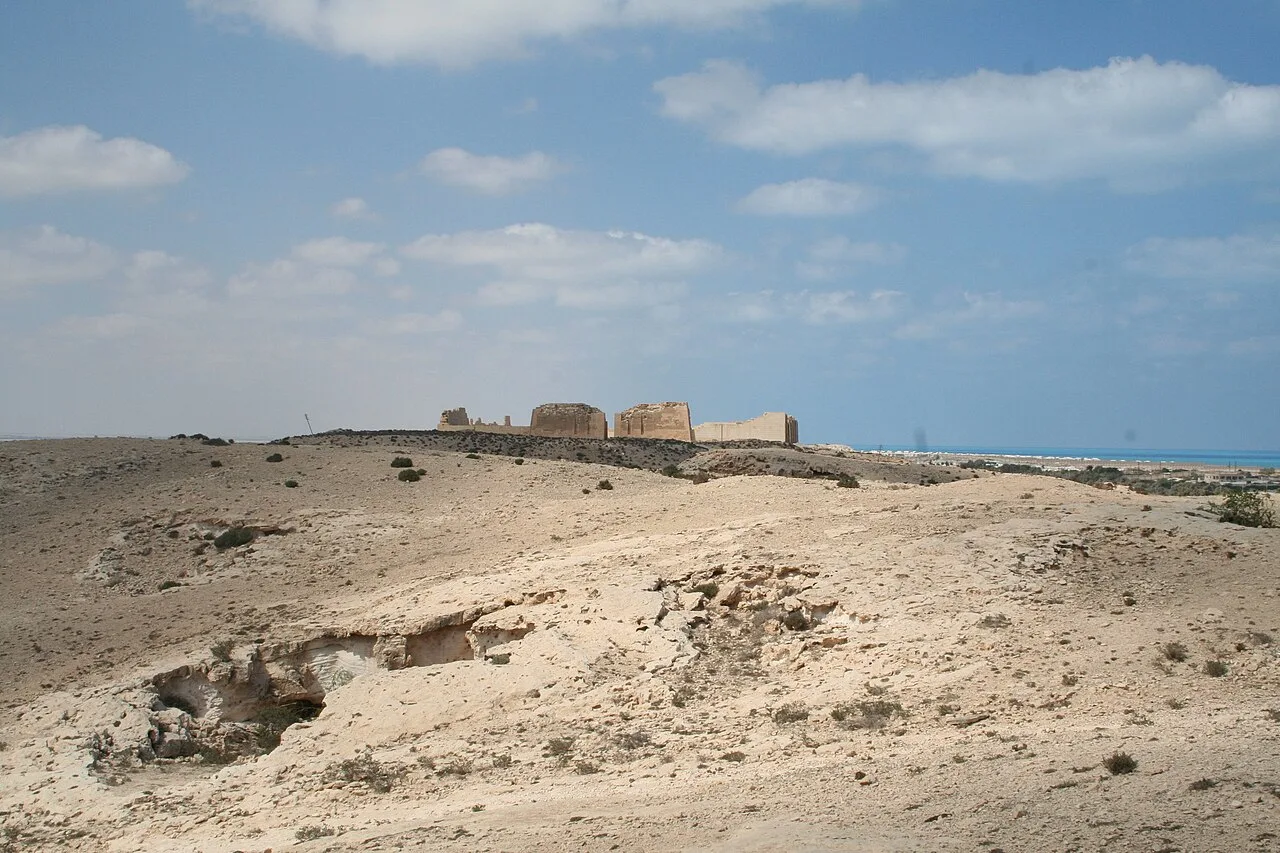
An ancient Egyptian port city now submerged in Abu Qir Bay, discovered by the underwater archaeologist Franck Goddio in 2000.
Heracleion (Ancient Greek: Ἡράκλειον Hērákleion), also known as Thonis (Ancient Greek: Θῶνις Thônis; from the Ancient Egyptian: Tȝ-ḥn.t; Coptic: Ⲧϩⲱⲛⲓ Thōni) and sometimes called Thonis-Heracleion, was an ancient Egyptian port city located near the Canopic Mouth of the Nile, about 32 km (20 mi) northeast of Alexandria on the Mediterranean Sea. It became inundated; its remains are located in Abu Qir Bay, which in 2022 was 7 km (4.3 mi) off the coast and approximately 5.8 m (19 ft) underwater, and near Abukir. The sanctuary of Neith of Sais was located in Thonis. A stele found on the site indicates that late in its history the city was known by both its Egyptian and Greek names.
The legendary beginnings of Thonis go back to as early as the 12th century BC, and it is mentioned by ancient Greek historians. Its importance grew particularly during the waning days of the pharaohs.
History
Thonis was originally built on some adjoining islands in the Nile Delta. The city was built around a central temple, and was intersected by canals with a number of harbors and anchorages. Its wharves, temples, and tower-houses were linked by ferries, bridges, and pontoons. The city was an emporion (trading port) and by the Late Period it was the country's main port for international trade and collection of taxes. It had a sister city, Naucratis, which was another trading port lying 72 km (45 mi) farther up the Nile. Goods were transferred inland via Naucratis, or they were transported via the Western Lake and through a water channel to the nearby town of Canopus for onward distribution.
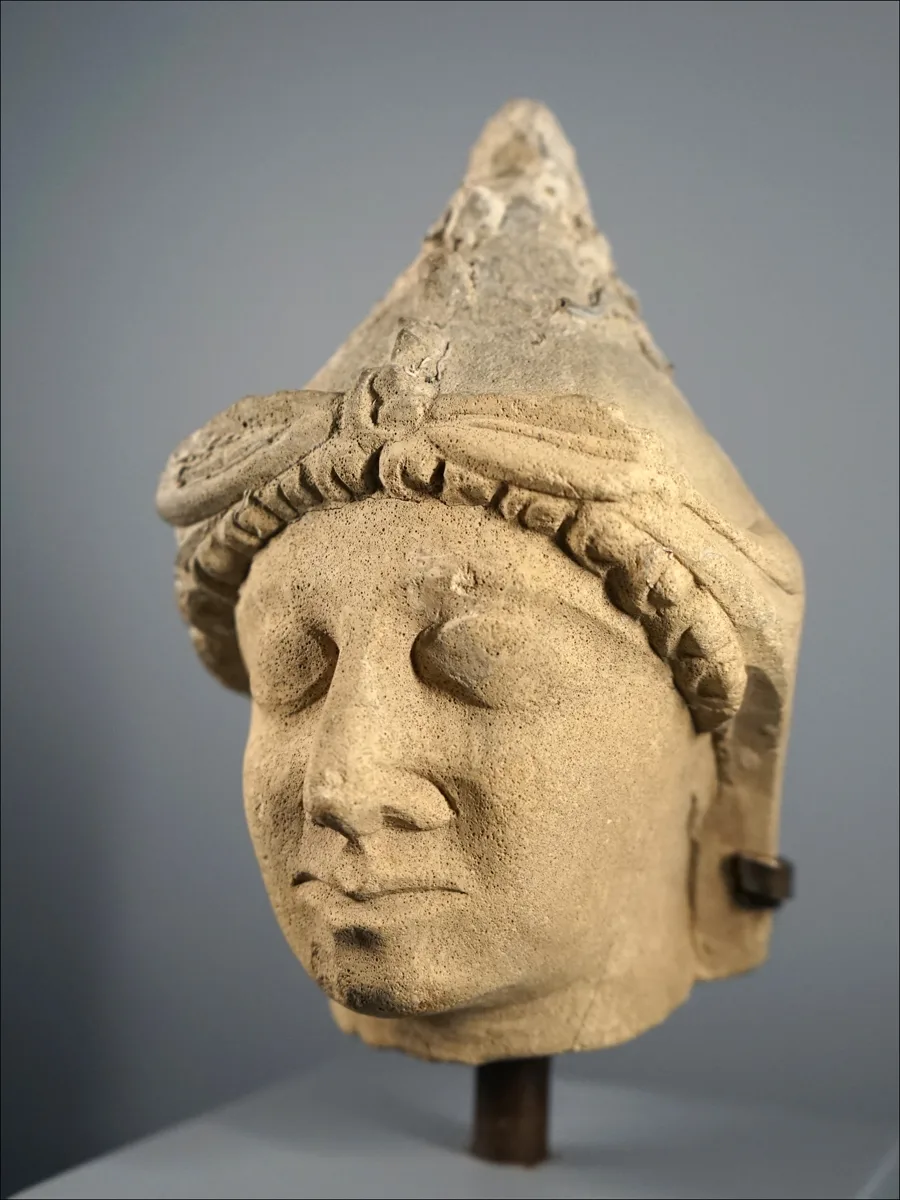
Thonis had a large temple of Khonsu, son of Amun, who was known to the Greeks as Herakles. Later, the worship of Amun became more prominent. During the time when the city especially flourished between the sixth and fourth centuries BC, a large temple of Amun-Gereb, the supreme god of the Egyptians at the time, was located in the middle of the city. King Nectanebo I made many additions to the temple in the fourth century B.C. Sanctuaries in Heracleion dedicated to Osiris and other deities were famous for miraculous healing and attracted pilgrims from a wide area. Archaeologists have found evidence of the celebration of the "Mysteries of Osiris" at Thonis-Heracleion, which occurred each year during the month of Khoiak. The god in his ceremonial boat was brought in procession from the temple of Amun in that city to his shrine in Canopus.
2023 archaeological findings, suggested that Greeks, who were already allowed to trade in the city, "had started to take root" there as early as during the Twenty-sixth Dynasty of Egypt and that likely Greek mercenaries were employed to defend it.
During the second century BC Alexandria superseded Thonis-Heracleion as Egypt's primary port. The importance of Thonis-Heracleion began diminishing with the rise of Alexandria, which was about fifteen miles southwest, in the 2nd century BC.
Source: Wikipedia · text available under CC BY-SA 4.0
- Location
- Alexandria, Egypt
- Coordinates
- 31.3036, 30.1003
- Category
- Ancient Sites
Source: Wikipedia · Factual information about the real landmark; unrelated to virtual ownership.
Price & ownership history
Landmarks near Thonis-Heracleion
Map →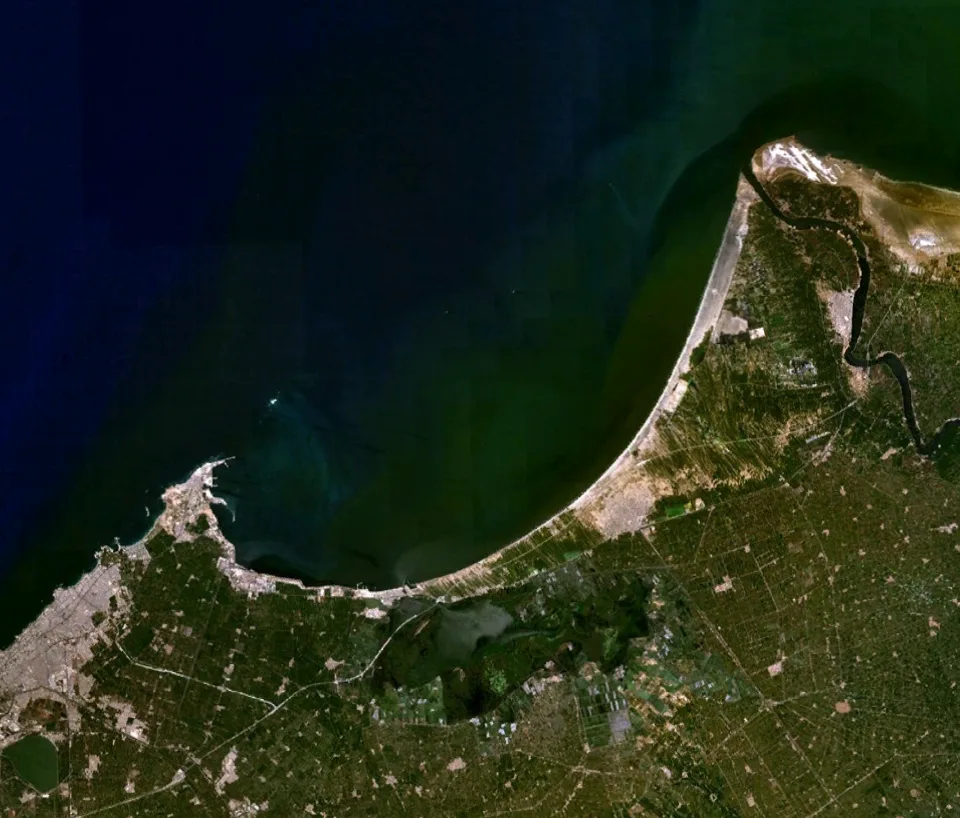 Available
📖 10 K reads
Available
📖 10 K reads
 Available
 Available
📖 22 K reads
Available
📖 22 K reads
 Available
📖 4 K reads
Available
📖 4 K reads