Naucratis
Virtual asset linked to this landmark
- Virtual owner
- The platform
- Times sold
- 0
- Fame on Wikipedia
- 23,475 article reads in 12 months
- Searches (30 days)
- 0
- Watching
- 0
Virtual ownership only. It gives no legal, financial or physical right in the real landmark. Prices are set by the market and may fall.
About Naucratis and its history
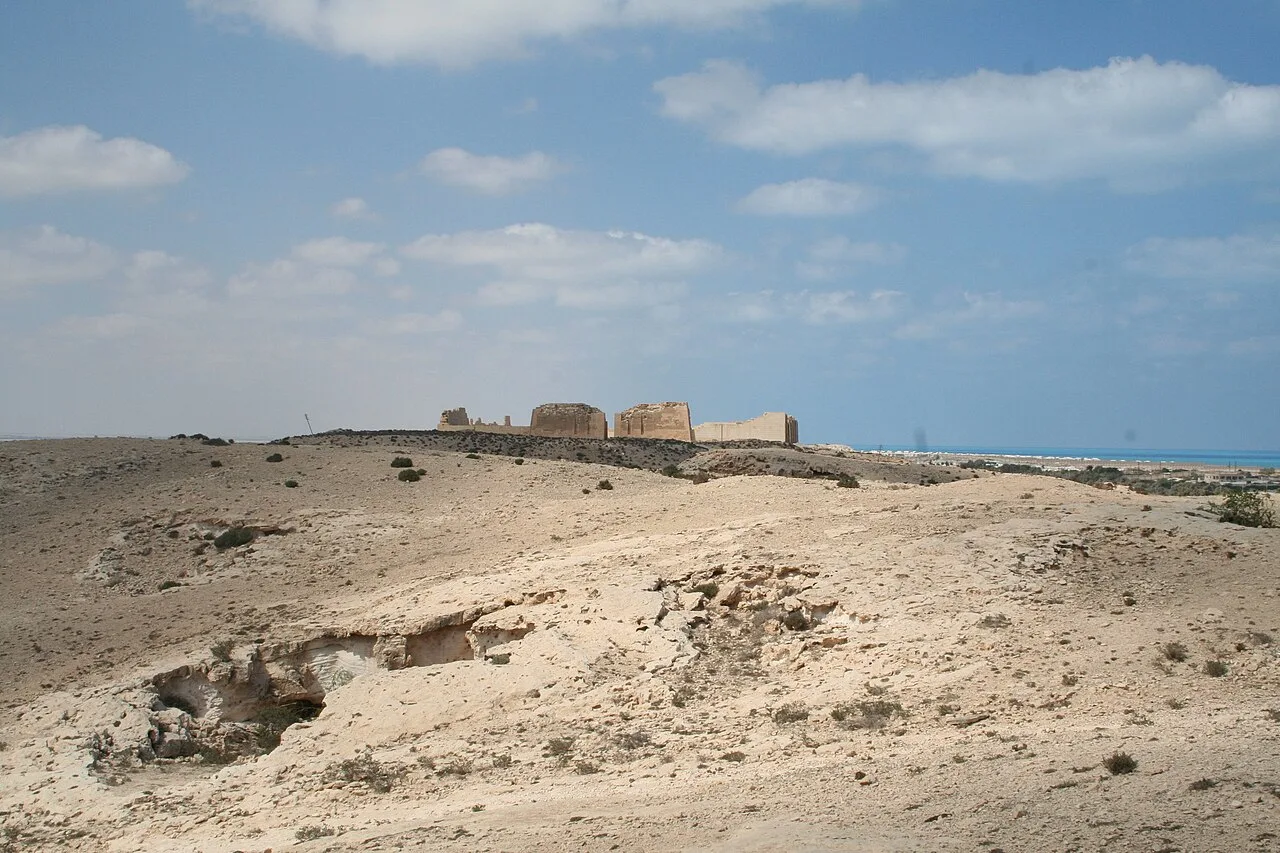
The site of an ancient Greek trading colony in the western Delta in Beheira Governorate, identified by Flinders Petrie in 1884.
Naucratis or Naukratis (; Ancient Greek: Ναύκρατις, "Naval Command"; Egyptian: njwt-kꜣrṯ, nskꜣrṯ, pr-mryt; Coptic: Ⲡⲓⲉⲙⲣⲱ Piemro) was a city and trading-post in ancient Egypt, located on the Canopic (western-most) branch of the Nile river, south-east of the Mediterranean Sea and the city of Alexandria. Naucratis was the first and, for much of its early history, the only permanent Greek settlement in Egypt, serving as a symbiotic nexus for the interchange of Greek and Egyptian art and culture.
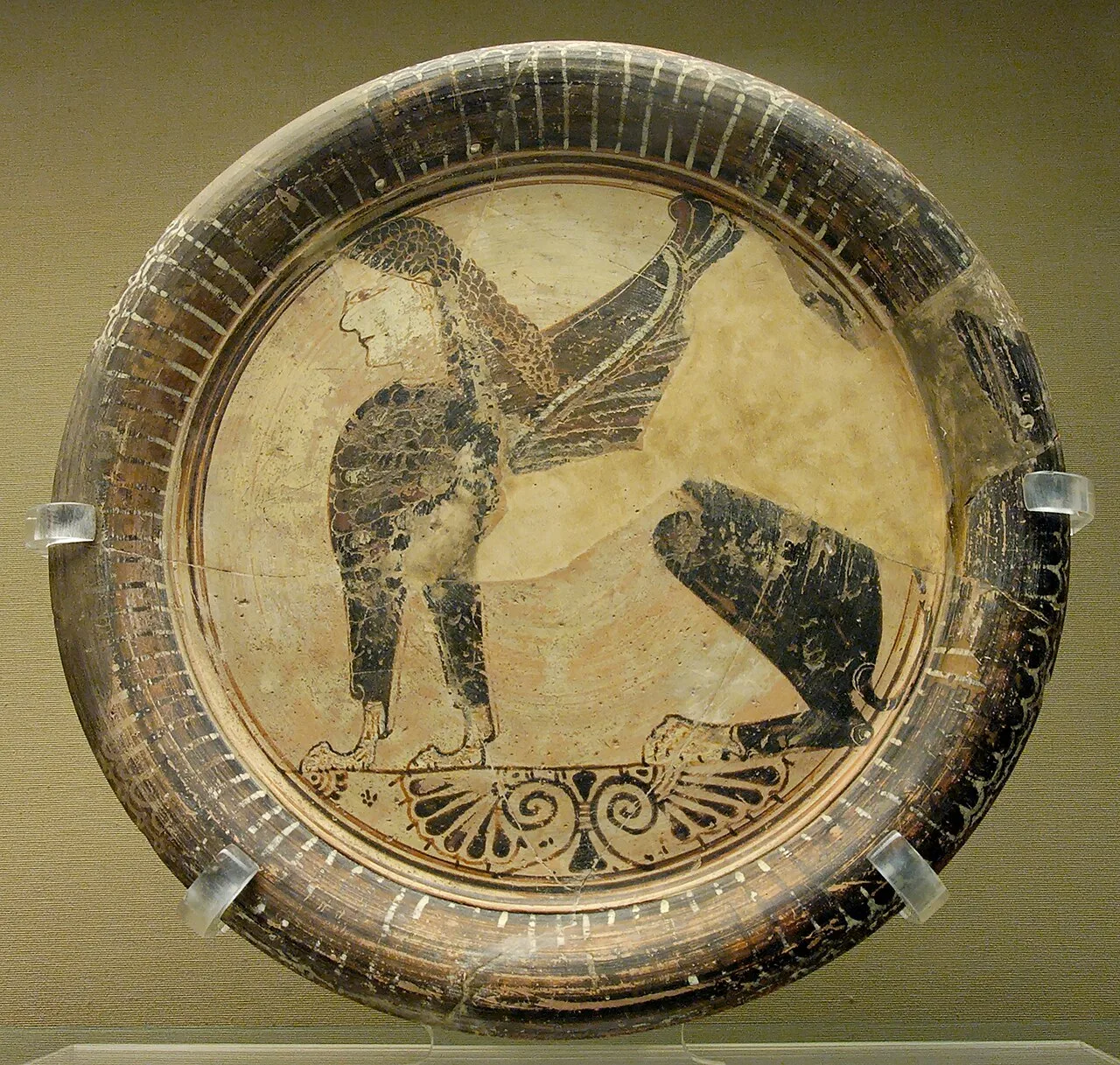
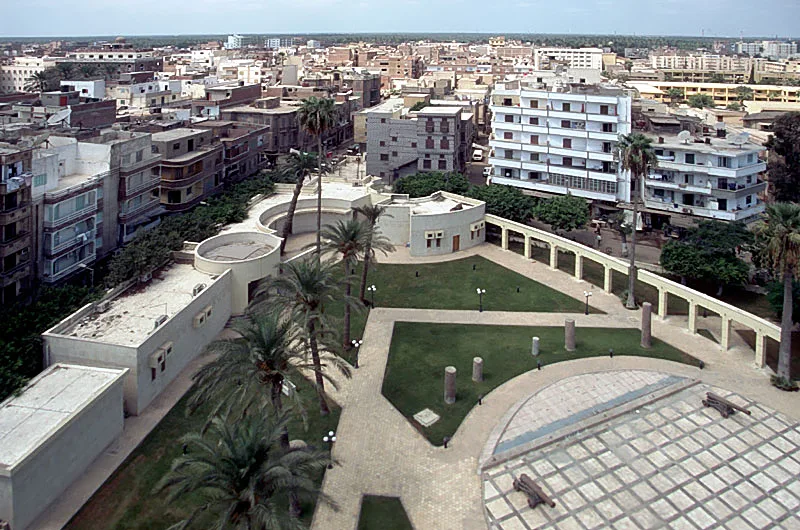
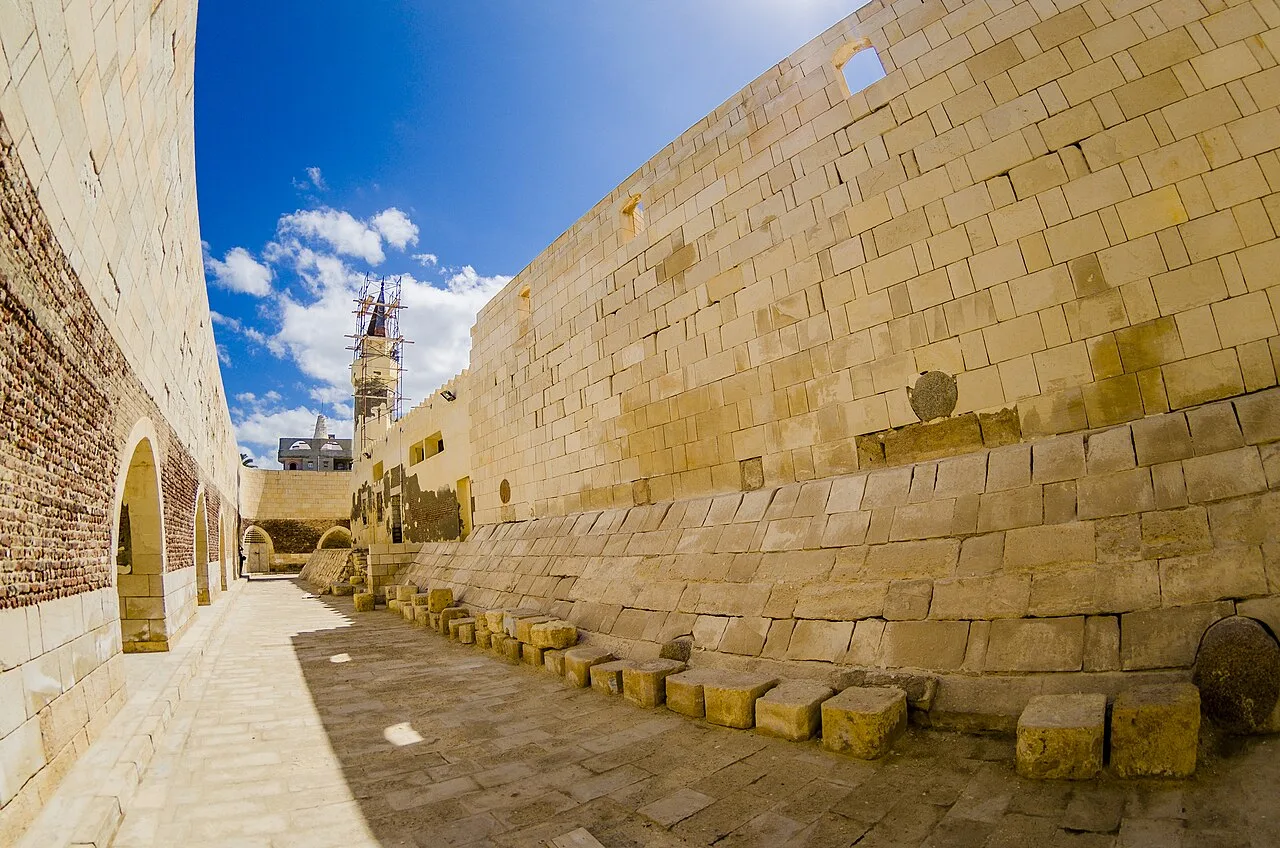
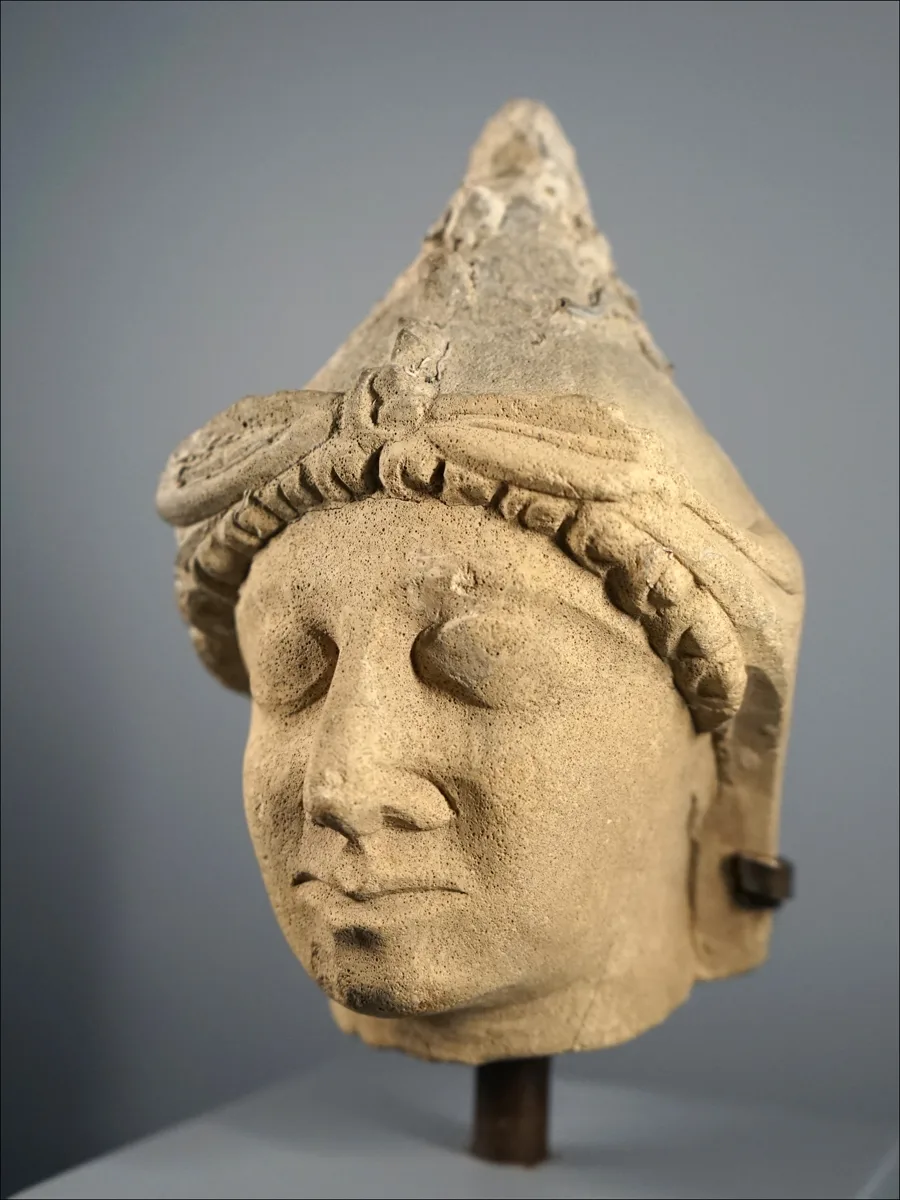
The modern villages of Kom Gi'eif, el-Nibeira and el-Niqrash cover the archaeological site, which is of great importance. It is the source of numerous art objects in many of the world's museums, as well as pottery inscribed with some of the earliest known examples of Greek writing.
The sister port of Naucratis was the harbour town of Heracleion, which was discovered in 2000.
Background
Archaeological evidence suggests that the history of the ancient Greeks in Egypt dates back at least to Mycenaean times (1600–1100 BC) and more likely even further back into the proto-Greek Minoan age. This history is strictly one of commerce as no permanent Greek settlements have been found of these cultures to date.
After the collapse of Mycenaean Greek civilization and the ensuing Greek Dark Ages (c. 1100–750 BC), a "renaissance" of Greek culture flourished in the 7th century BC—with it came renewed contact with the East and its two great river civilizations of Mesopotamia and the Nile.
The first report of Greeks in 7th century BC Egypt is a story in the Histories of Herodotus of Ionian and Carian pirates forced by storm to land on or near the Nile Delta. It relates the plight of the Saite Pharaoh Psammetichus I (Psamtik) (c. 664–610) of the Twenty-sixth dynasty of Egypt overthrown and in desperation seeking the advice of the Oracle of Leto at Buto, who cryptically advises him to enlist the aid of the "bronze men" who would "come from the sea." Inspired upon seeing the bronze armor of the shipwrecked pirates, he offers them rewards in return for their aid in his campaign of return to power. Upon the success of this endeavor, he makes good on his word and bestows on the mercenaries two parcels of land (or "camps," στρατόπεδα) on either side of the Pelusiac branch of the Nile.
At present, these sites remain uncertain but this may be a reference to the city of Daphnae.
Source: Wikipedia · text available under CC BY-SA 4.0
- Location
- Rosetta, Egypt
- Coordinates
- 30.9000, 30.5917
- Category
- Ancient Sites
Source: Wikipedia · Factual information about the real landmark; unrelated to virtual ownership.
Price & ownership history
Landmarks near Naucratis
Map → Available
 Available
 Available
 Available