Antinoöpolis
Virtual asset linked to this landmark
- Virtual owner
- The platform
- Times sold
- 0
- Fame on Wikipedia
- 31,339 article reads in 12 months
- Searches (30 days)
- 0
- Watching
- 0
Virtual ownership only. It gives no legal, financial or physical right in the real landmark. Prices are set by the market and may fall.
About Antinoöpolis and its history
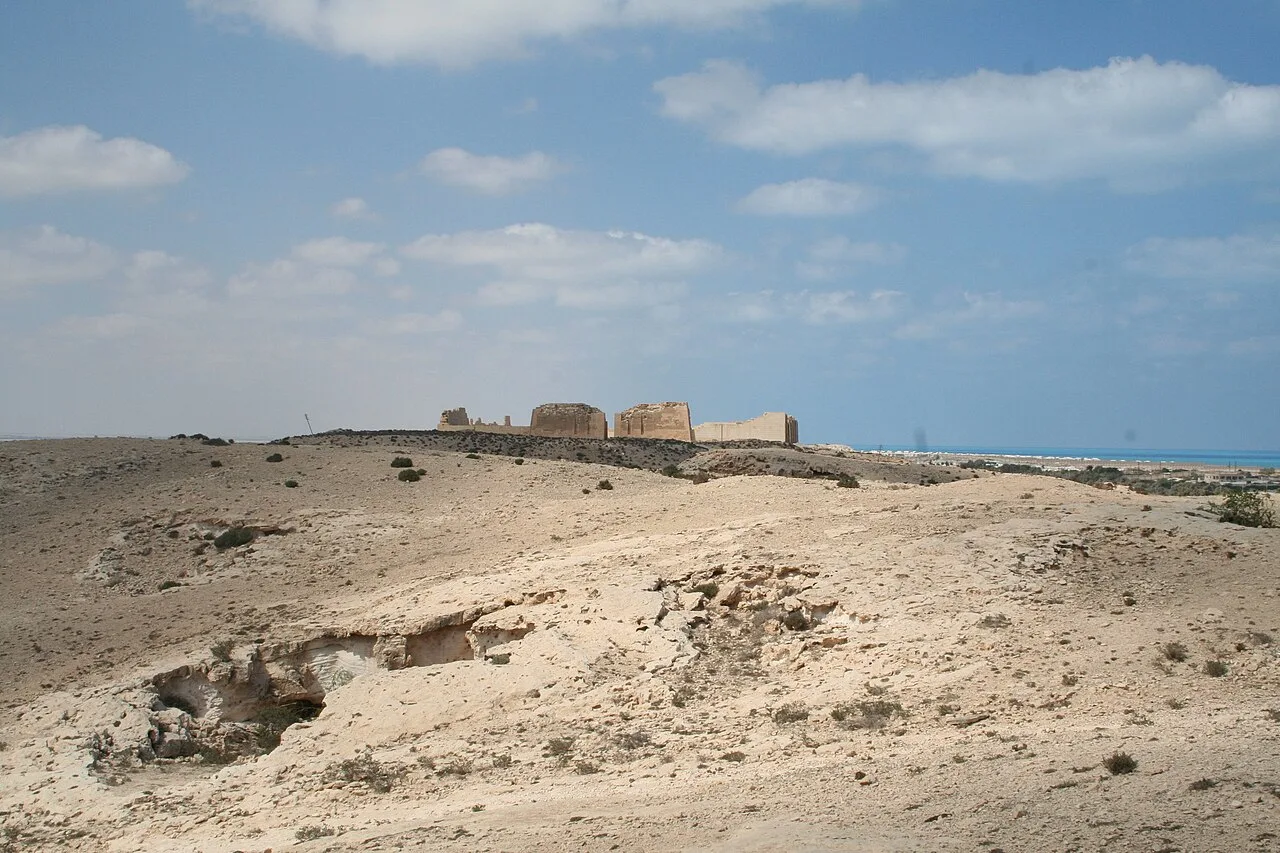
Ruins of the city founded by the Roman emperor Hadrian in AD 130 in memory of Antinous, on the east bank of the Nile.
Antinoöpolis (also Antinoopolis, Antinoë, Antinopolis; Ancient Greek: Ἀντινόου πόλις; Coptic: ⲁⲛⲧⲓⲛⲱⲟⲩ Antinow; Arabic: انصنا, romanized: Ansinā, modern Arabic: الشيخ عبادة, modern Sheikh 'Ibada or Sheik Abāda) was a city founded at an older Egyptian village by the Roman emperor Hadrian to commemorate his deified young beloved, Antinoüs, on the east bank of the Nile, not far from the site in Upper Egypt where Antinoüs drowned in 130 AD. Antinoöpolis was a little to the south of the Egyptian village of Besa (Βῆσσα), named after the god and oracle of Bes. Antinoöpolis was built at the foot of the hill upon which Besa was seated. The city is located nearly opposite Hermopolis Magna and was connected to Berenice Troglodytica by the Via Hadriana.
During the New Kingdom, the city, Hir-we, was the location of Ramesses II's great temple, dedicated to the gods of Khmun and Heliopolis.
During the Roman Empire, the city of Antinoöpolis was erected in AD 130 by the emperor Hadrian on the site of Hir-we as the cult centre of the deified Antinoüs. All previous buildings, including a necropolis, were razed and replaced, with the exception of the Temple of Ramses II. Hadrian also had political motives for the creation of Antinoöpolis, which was to be the first Hellenic city in the Middle Nile region, thus serving as a bastion of Greek culture within the Egyptian area. To encourage Egyptians to integrate with this imported Greek culture he allowed the main deity of Hir-we, Bes, to continue to be worshipped in Antinoöpolis alongside the new primary deity, Osiris-Antinoüs. He encouraged Greeks from elsewhere to settle in the new city, using various incentives to do so. The city was designed on a gridiron plan that was typical of Hellenic cities, and embellished with columns and many statues of Antinoüs, as well as a temple devoted to the deity.
The city of Antinoöpolis was the centre of the official cult of Antinoüs. The city exhibited the Graeco-Roman architecture of Hadrian's age in immediate contrast with the Egyptian style. Hadrian proclaimed that games would be held at the city in Spring 131 in commemoration of Antinoüs. Known as the Antinoeia, they would be held annually for several centuries, being noted as the most important in Egypt. Events included athletic competitions, chariot and equestrian races, and artistic and musical festivals, with prizes including citizenship, money, tokens, and free lifetime maintenance. Divine honours were paid in the Antinoeion to Antinoüs as a local deity, and games and chariot-races were annually exhibited in commemoration of his death and of Hadrian's sorrow. (Dictionary of Antiquities, s. v. Ἀντινόεια.) According to the Greek Menaea, it was at Antinoë that Saint Julian underwent martyrdom during the Persecutions of Diocletian. Numerous other Christian martyrs are known to have died here under the orders of the governor Arianus.
Source: Wikipedia · text available under CC BY-SA 4.0
- Location
- Minya, Egypt
- Coordinates
- 27.8089, 30.8739
- Category
- Ancient Sites
Source: Wikipedia · Factual information about the real landmark; unrelated to virtual ownership.
Price & ownership history
Landmarks near Antinoöpolis
Map → Available
 Available
 Available
 Available