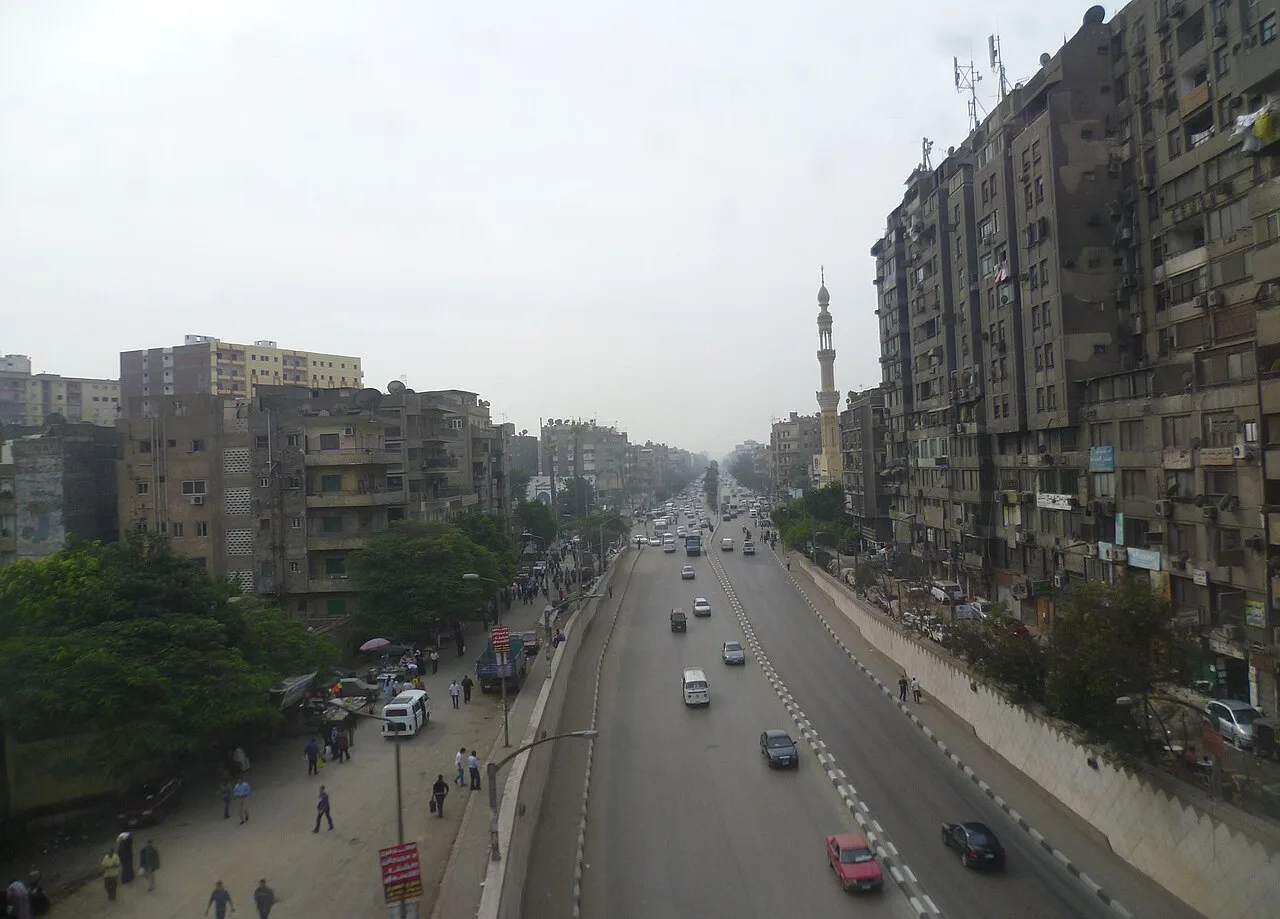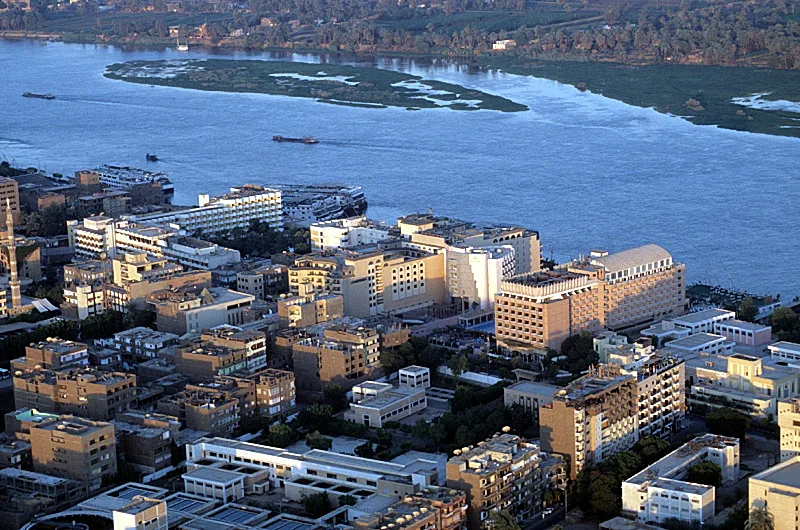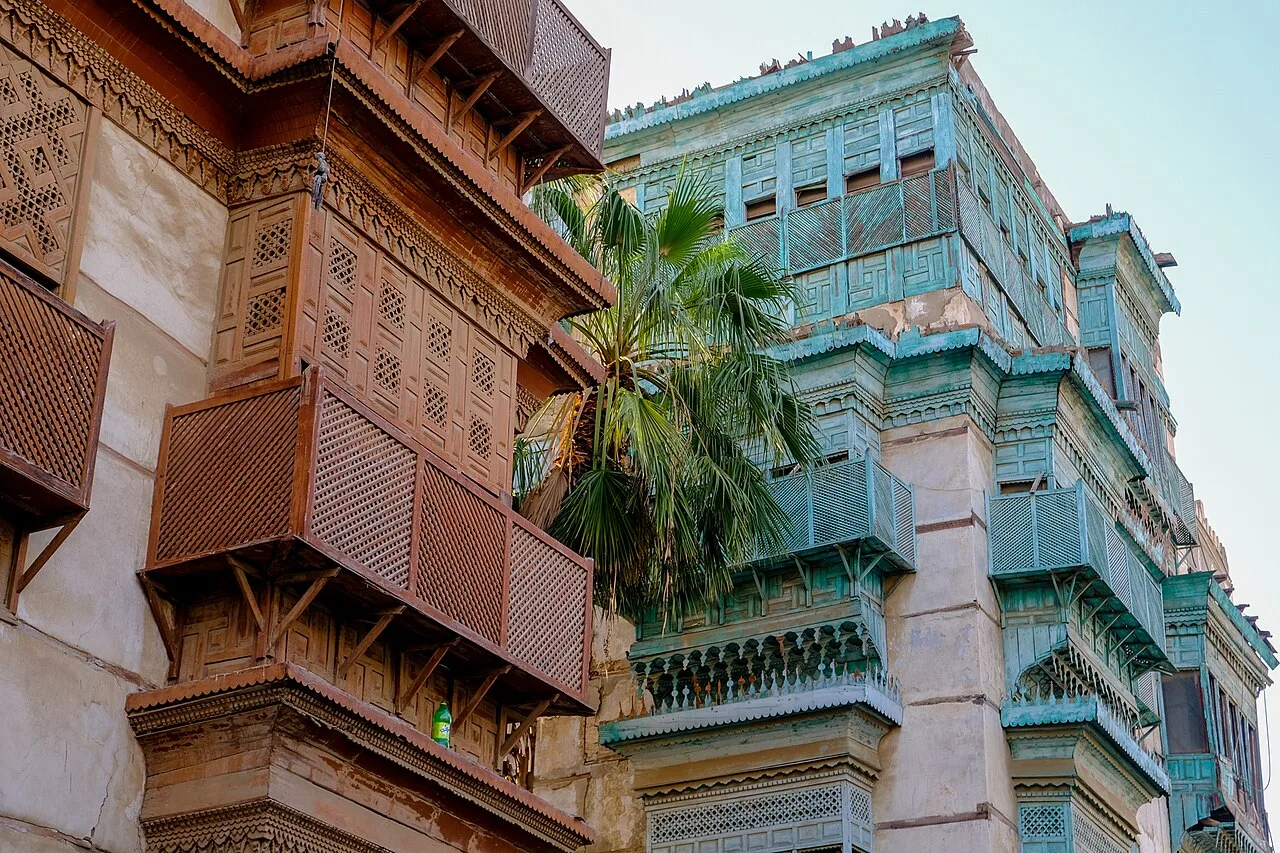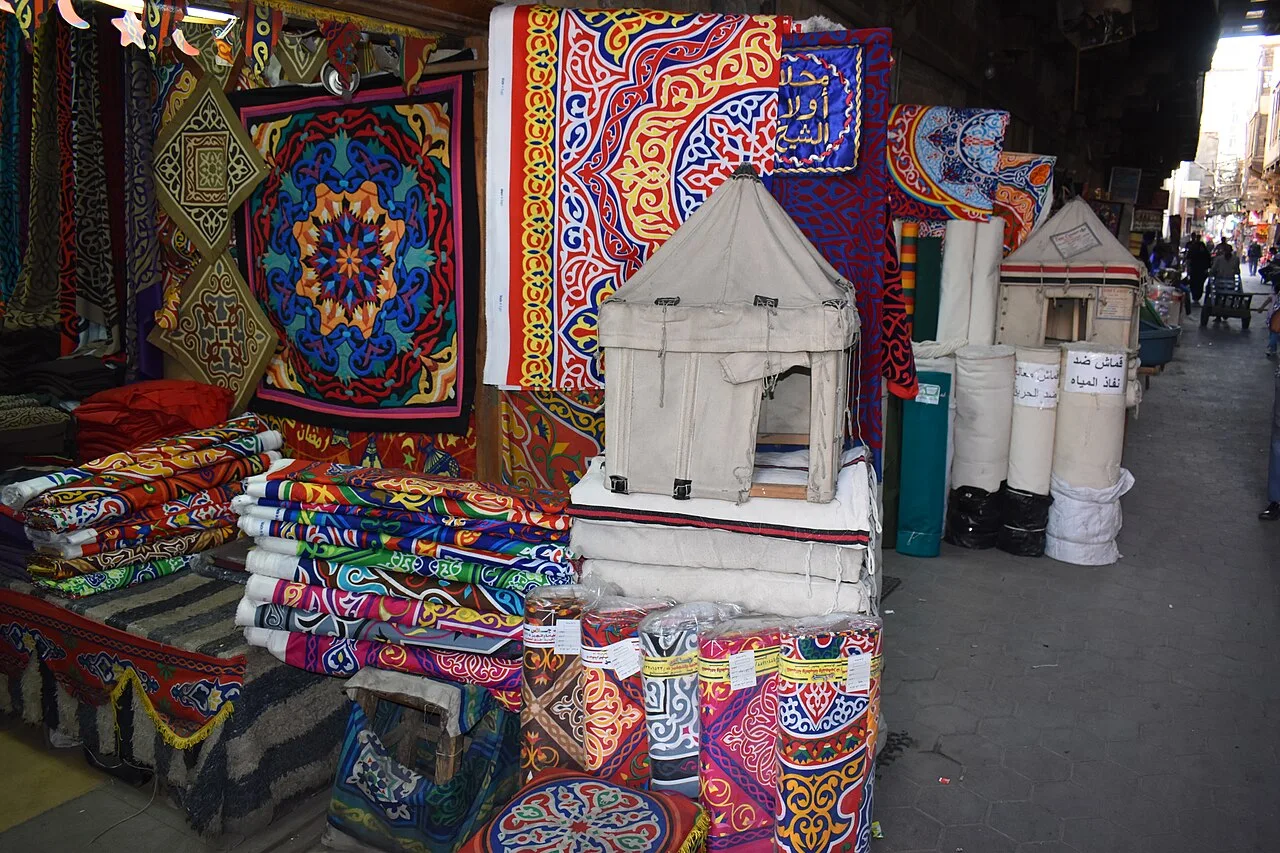
Street of the Tentmakers
Virtual asset linked to this landmark

- Virtual owner
- The platform
- Times sold
- 0
- Searches (30 days)
- 0
- Watching
- 0
Virtual ownership only. It gives no legal, financial or physical right in the real landmark. Prices are set by the market and may fall.
About Street of the Tentmakers and its history
A covered market near Bab Zuweila, known for the khayamiya appliqué craft.
Khayamiya (Egyptian Arabic: خيّامية khayyāmiyah) is a decorative Egyptian art appliqué textile, that dates back to as far as Ancient Egypt. They are now primarily made in Cairo, Egypt, along what is known as the Street of the Tentmakers (Shari'a al-Khayamiyya, or Suq al-Khayamiyya) centered in the Qasaba of Radwan Bey, a historic covered market built in the 17th century. The street is located immediately south of bawabet el metwali (Bab Zuwayla), and is located along the historic economic axis of Cairo, in a section within Muizz street.
Description
Khayamiya are elaborately patterned and colourful appliqués applied to the interior of tents, serving a dual function of shelter and ornament. They resemble quilts, and possess the three layers typical of quilts – a heavy "back", a background "top", and elaborate appliqué over the "top". Functionally, they can be compared to curtains, though their recent roles have diversified to cater for touristic purposes. These now include cushion covers, fashion, bags, bedspreads, and other applications.
Design
Khayamiya features hand-stitched cotton appliqué over a heavy cotton back. This back is intended to be protective and durable against a hot, dry, and dusty climate. The hand-stitching is performed quickly by skilled tentmakers while seated cross-legged, using needles and thread. Small pieces of fabric are cut to size as they are required using large scissors. Khayamiya are usually completed by a single tentmaker regardless of the size of the piece. These can range from basic cushion covers to intricate whole-wall hangings several metres across. Large projects can subsequently take several months to complete. The tentmakers are very protective of their creative innovations, as successful new designs are often copied by their competitive neighbours.
Popular design motifs include geometric and curvilinear arabesque patterns derived from Islamic ornaments, and scenes inspired by Pharaonic art, especially papyrus and lotus motifs. Egyptian folkloric subjects such as Goha, Nubian musicians, and the whirling dervishes are popular touristic souvenirs, as are stylised depictions of fish and birds. Calligraphic patterns, based upon texts from the Qur'an, are often shaped into objects and animals. Khedival panels made in the late nineteenth and early twentieth century typically feature larger blocks of appliqué and wider stitching, though touristic and contemporary khayamiya feature finer and more elaborate handwork.
Source: Wikipedia · text available under CC BY-SA 4.0
- Location
- Cairo, Egypt
- Coordinates
- 30.0420, 31.2575
- Category
- Districts, Streets & Markets
Source: Wikipedia · Factual information about the real landmark; unrelated to virtual ownership.
Price & ownership history
Landmarks near Street of the Tentmakers
Map → Available
📖 1 K reads
Available
📖 1 K reads
 Available
📖 84 K reads
Available
📖 84 K reads
 Available
📖 7 K reads
Available
📖 7 K reads
 Available
📖 5 K reads
Available
📖 5 K reads