Gayer-Anderson Museum
Virtual asset linked to this landmark

- Virtual owner
- The platform
- Times sold
- 0
- Fame on Wikipedia
- 7,309 article reads in 12 months
- Searches (30 days)
- 0
- Watching
- 0
Virtual ownership only. It gives no legal, financial or physical right in the real landmark. Prices are set by the market and may fall.
About Gayer-Anderson Museum and its history
Two joined historic houses in Cairo turned into a museum named after the British officer who lived there.
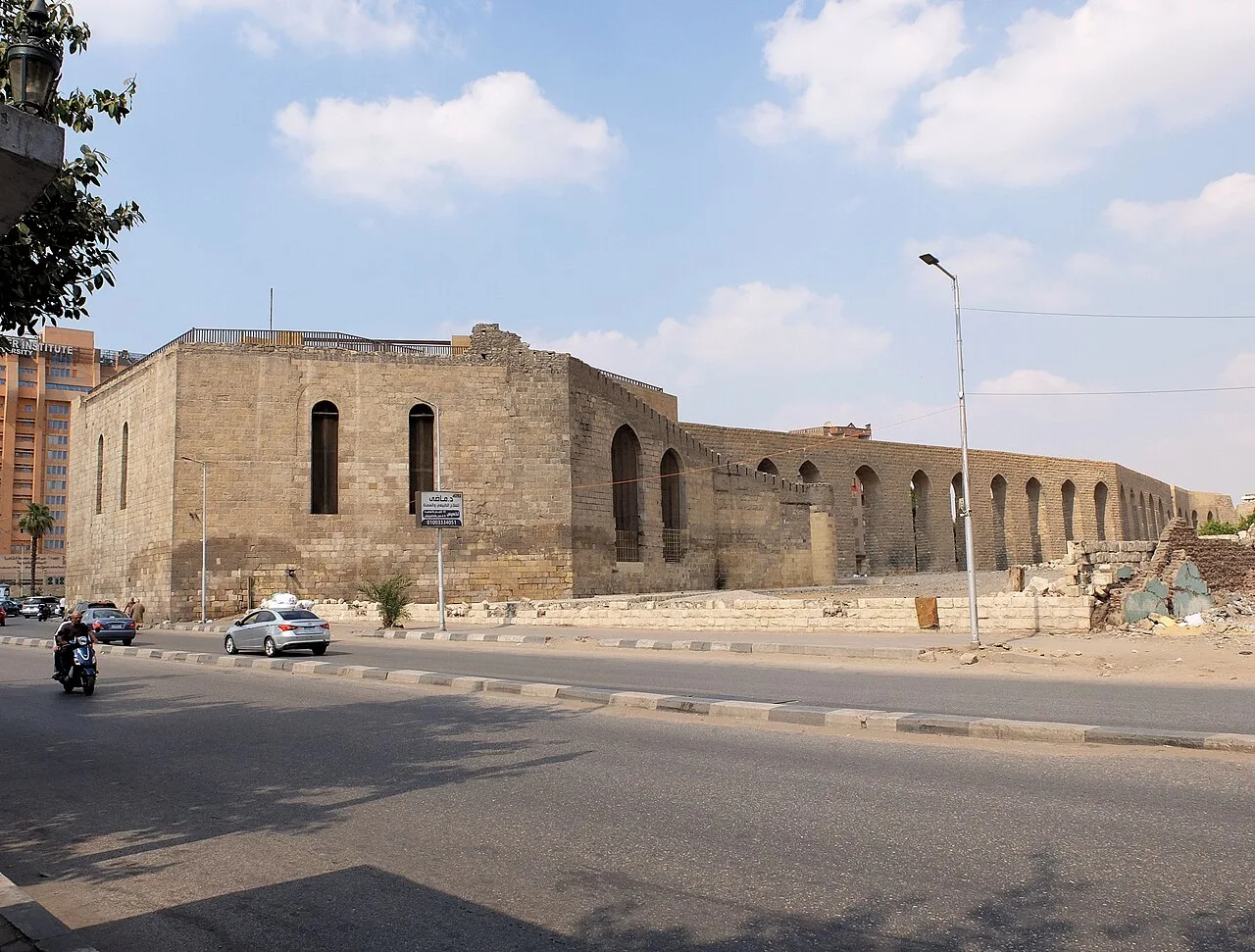
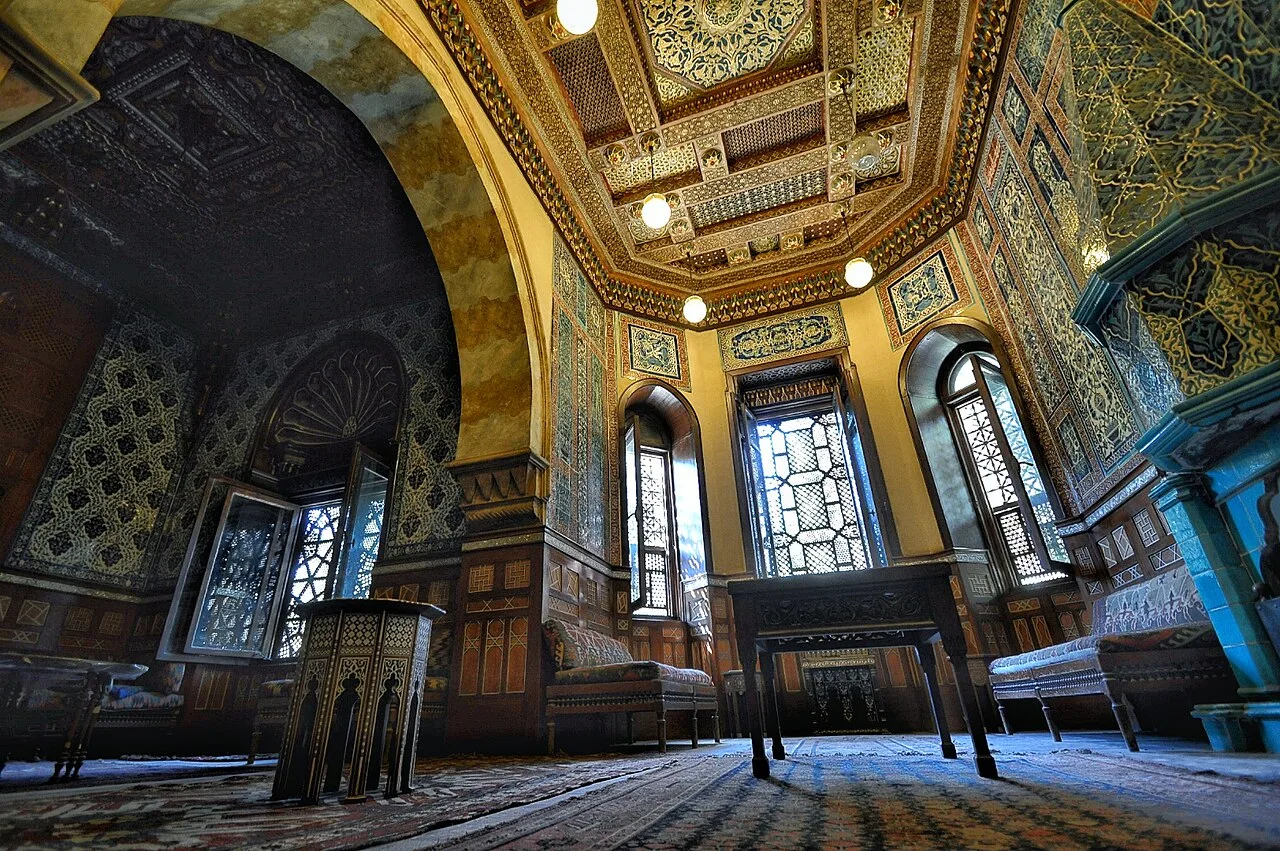
The Gayer-Anderson Museum (Arabic: متحف جاير أندرسون) is an art museum located in Cairo, Egypt. It is situated adjacent to the Mosque of Ahmad ibn Tulun in the Sayyida Zeinab neighborhood. The building takes its name from Major Robert Grenville Gayer-Anderson Pasha, who resided in the house between 1935 and 1942 with special permission from the Egyptian Government. The museum is noted for being one of examples of 17th-century domestic architecture left in Cairo, and also for its collection of furniture, carpets, curio, and other objects.
Gayer-Anderson Pasha
Robert Grenville Gayer-Anderson joined the Royal Army Medical Corps in 1904 and was later transferred to the Egyptian Army in 1907. He was then promoted to become a Major in 1914 and during the same year, he became Assistant Adjutant-General for recruiting in the Egyptian Army. In 1919, he retired from the army to become the Senior Inspector in the Egyptian Ministry of the Interior, and he later became the Oriental Secretary to the British Residency in Cairo. He retired in 1924 but continued to live in Egypt, expanding his interests in Egyptology and Oriental Studies.
History
Bayt al-Kritliyya is considered to be one of the remarkable examples of Muslim domestic architecture in Cairo. It dates back to the Mamluk Period (1040 AH/1631 AD) and it was built by Hagg Mohamed Salem Galmam el- Gazzar. The museum consists of two houses built using the outer wall of the Mosque of Ibn Tulun as support. The larger house, located to the east (the outermost side in relation to the mosque) was built in 1632 AD (1041 AH) by Hajj Mohammad ibn al-Hajj Salem ibn Galman al-Gazzar. It later came into the possession of a wealthy Muslim woman from Crete, and the home became popularly known as "Bayt al-Kritliyya" (Arabic: بيت الكريتلية), or "House of the Cretan Woman." The second house, to the west (the innermost side in relation to the mosque) was built in 1540 AD (947 AH) by Abdel-Qader al-Haddad. It later became known as "Bayt Amna bint Salim" (Arabic: بيت آمنة بنت سالم), after its last owner. The two houses were joined by a bridge at the third floor level at an unknown point, and are both collectively known as Bayt al-Kritliyya.
The construction of private homes against the outer wall of a mosque was common practice. In 1928 the Egyptian government began to clear the homes, many of which were in very poor condition, away from the mosque as part of a plan to make important Islamic monuments more accessible. The Committee for the Conservation of Arab Monuments objected to the demolition of Bayt al-Kritliyya, however, on the grounds that the home was well preserved. The home was kept intact, and repairs were made to the side walls to strengthen them after the neighboring houses were torn down.
In 1935, Major Gayer-Anderson, a retired collector and self-described Orientalist, was granted permission to reside in the house, which had just been restored.
Source: Wikipedia · text available under CC BY-SA 4.0
- Built / established
- Two houses from the 16th–17th centuries
- Location
- Cairo, Egypt
- Coordinates
- 30.0287, 31.2504
- Category
- Museums
Source: Wikipedia · Factual information about the real landmark; unrelated to virtual ownership.
Price & ownership history
Landmarks near Gayer-Anderson Museum
Map →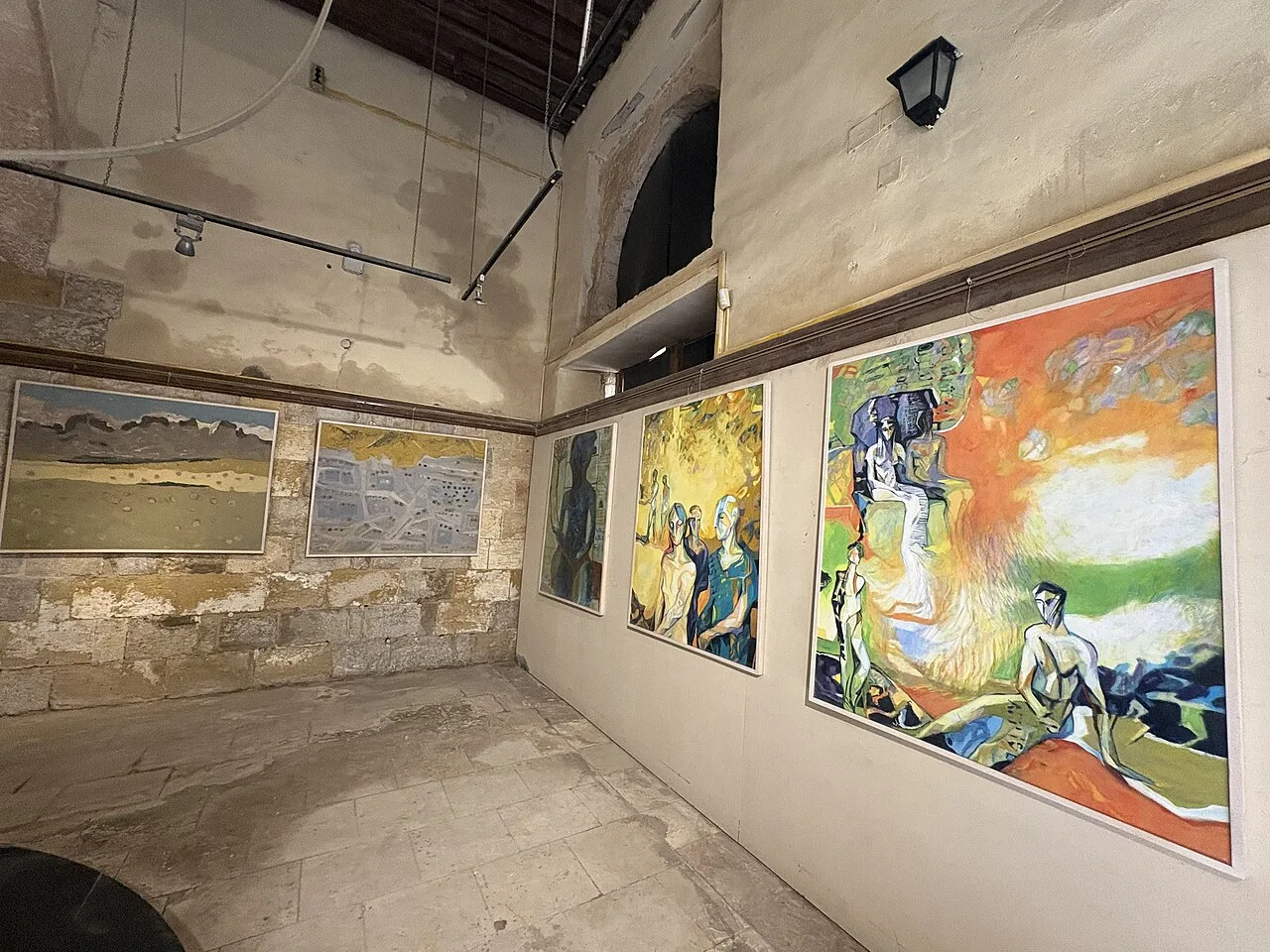 Available
📖 1 K reads
Available
📖 1 K reads
 Available
📖 84 K reads
Available
📖 84 K reads
 Available
📖 5 K reads
Available
📖 5 K reads
 Available
📖 8 K reads
Available
📖 8 K reads