Temple of Kalabsha
Virtual asset linked to this landmark
- Virtual owner
- The platform
- Times sold
- 0
- Fame on Wikipedia
- 11,290 article reads in 12 months
- Searches (30 days)
- 0
- Watching
- 0
Virtual ownership only. It gives no legal, financial or physical right in the real landmark. Prices are set by the market and may fall.
About Temple of Kalabsha and its history
A Roman-period Nubian temple moved to its present site near the High Dam to save it from flooding.
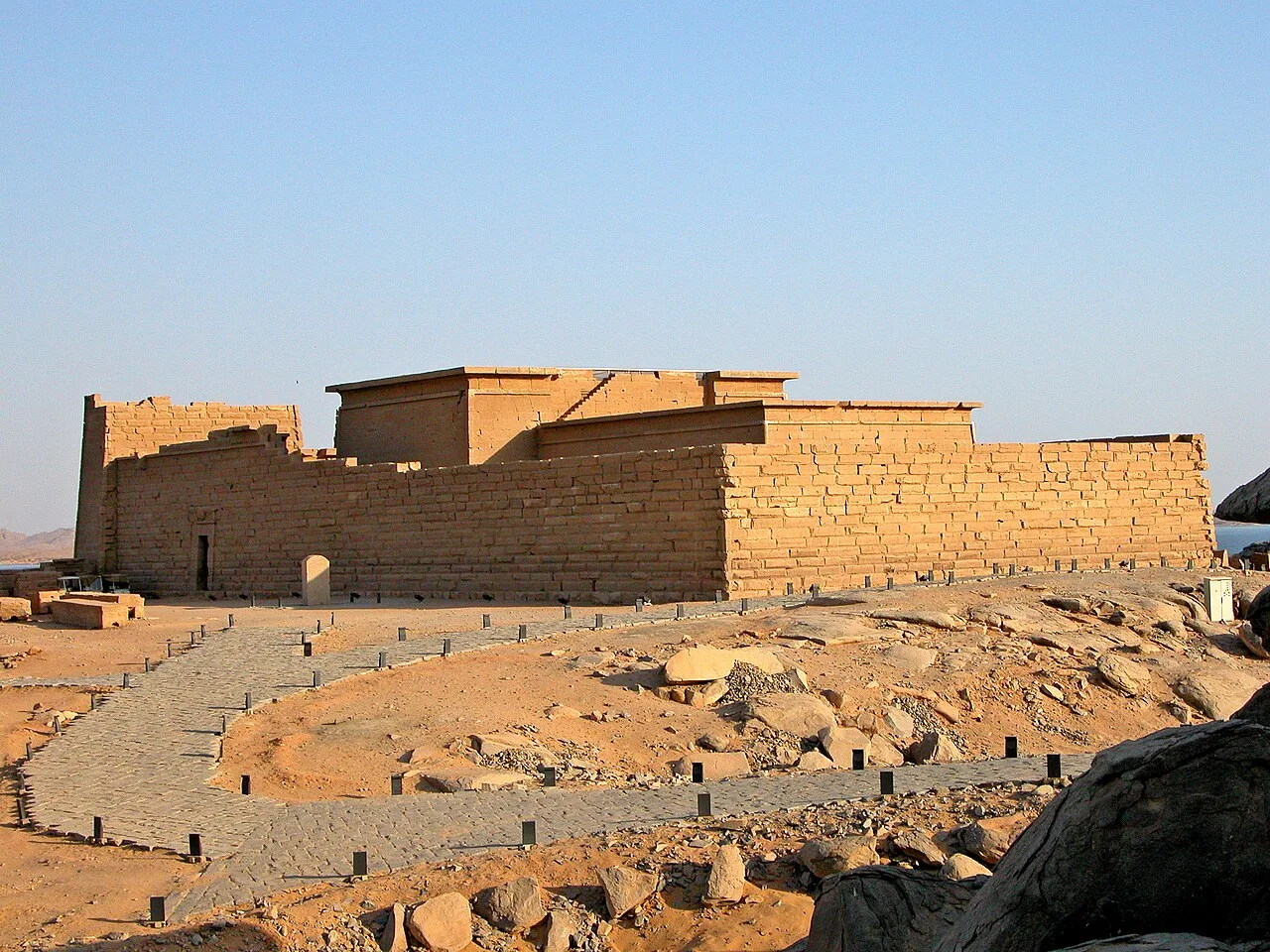
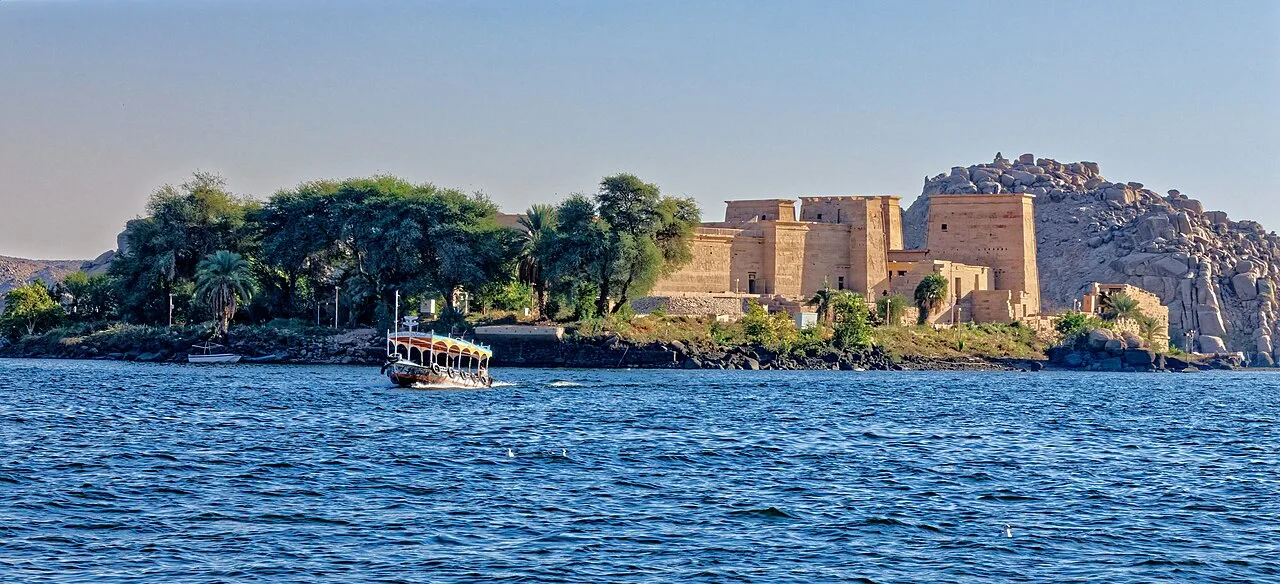
The Temple of Kalabsha or Mandulis is an ancient Egyptian temple that was originally located at Bab al-Kalabsha (Gate of Kalabsha), approximately 50 km south of Aswan.
In the 1960s, in a process that took two years, the temple was relocated under the International Campaign to Save the Monuments of Nubia, and inscribed on the UNESCO World Heritage List in 1979, along with other outstanding examples of Nubian architecture including Abu Simbel and Amada.
Although the building was never completed, it "is regarded as one of the best examples of Egyptian architecture in Nubia."
History
The temple was situated on the west bank of the Nile River, in Nubia, and was originally built around 30 BC during the early Roman era. While the temple was constructed in Augustus's reign, it was never finished. The temple was a tribute to Mandulis (Merul), a Lower Nubian sun god. It was constructed over an earlier sanctuary built by Amenhotep II.
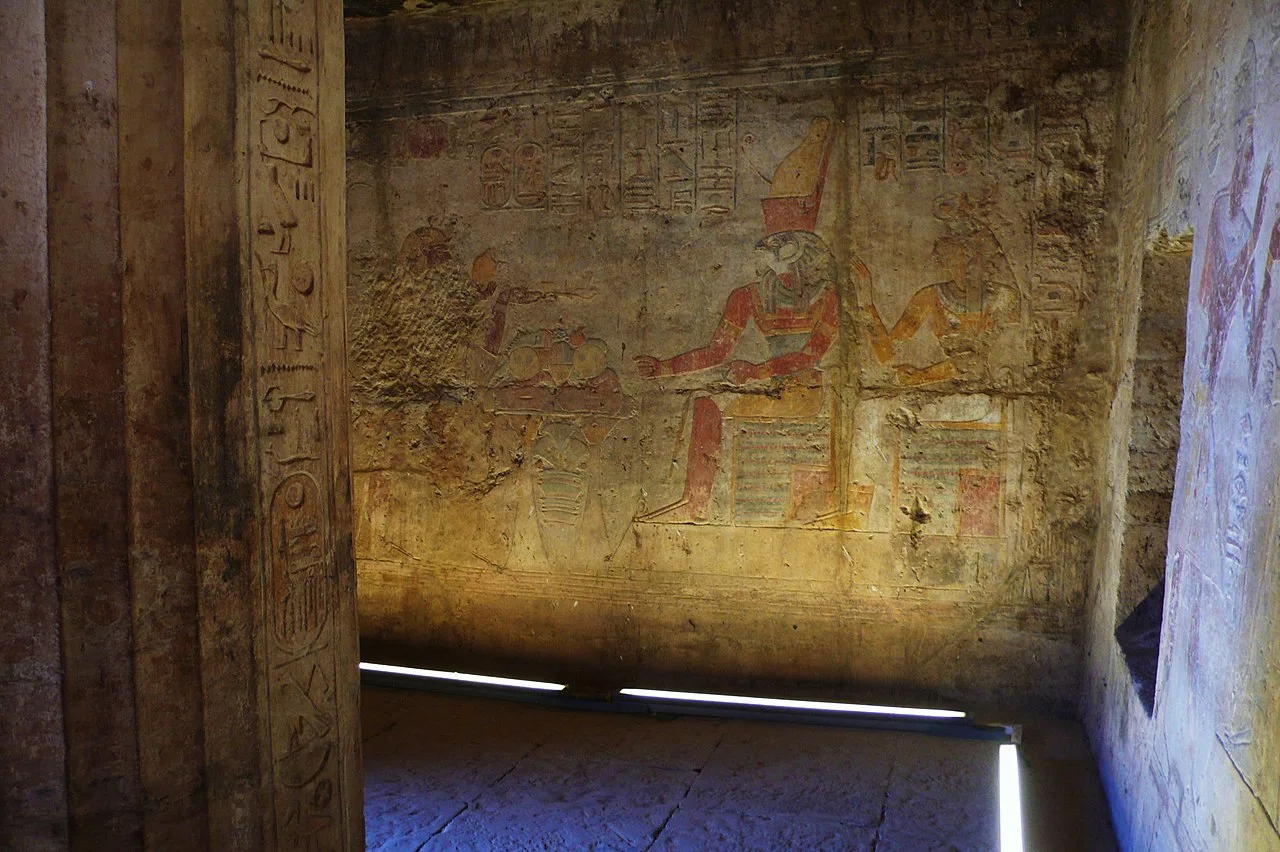
The temple is 76 m long and 22 m wide in dimension. While the structure dates to the Roman period, it features many fine reliefs such as "a fine carving of Horus emerging from reeds on the inner curtain wall" of the temple. From Kalabsha's "sanctuary chambers, a staircase leads up to the roof of the temple" where one can see a splendid view of the temple itself and the sacred lake.
Several historical records were inscribed on the temple walls of Kalabsha such as "a long inscription carved by the Roman Governor Aurelius Besarion in AD 250, forbidding pigs in the temple" as well as an inscription of "the Nubian king Silko, carved during the 5th century and recording his victory over the Blemmyes and a picture of him dressed as a Roman soldier on horseback." Silko was the Christian king of the Nubian kingdom of Nobatia.
Victory Stela of Kalabsha of Psammetichus II commemorates his victory over Nubia. It is now located next to the Mandulis Temple on New Kalabsha.
When Christianity was introduced to Egypt, the temple was used as a church. In 1819 the traveller Joseph de Senkowsky mentioned a variety of paintings depicting Christian saints, among them John the Baptist.
Following the Egyptian revolution of 1952 the new Egyptian regime began planning the construction of the Aswan High Dam at the Nile's first cataract (shallow rapids). The building of the dam was to result in the creation of Lake Nasser, which would submerge the banks of the Nile along its entire 479 km (298 mi) length south of the dam – flooding the entire area of historical Lower Nubia, a region that was home to 22 critical historical sites, including Kalabsha.
After UNESCO formally launched a campaign on 8 March 1960 to save the Nubian monuments West Germany decided that rather than provide money to the campaign as a whole it would instead directly fund and organize the relocation of Kalabsha.
Source: Wikipedia · text available under CC BY-SA 4.0
- Location
- Aswan, Egypt
- Coordinates
- 23.9608, 32.8675
- Category
- Ancient Sites
Source: Wikipedia · Factual information about the real landmark; unrelated to virtual ownership.
Price & ownership history
Landmarks near Temple of Kalabsha
Map → Available
 Available
 Available
 Available