Dimeh el-Sibaa (Soknopaiou Nesos)
Virtual asset linked to this landmark
- Virtual owner
- The platform
- Times sold
- 0
- Fame on Wikipedia
- 2,505 article reads in 12 months
- Searches (30 days)
- 0
- Watching
- 0
Virtual ownership only. It gives no legal, financial or physical right in the real landmark. Prices are set by the market and may fall.
About Dimeh el-Sibaa (Soknopaiou Nesos) and its history
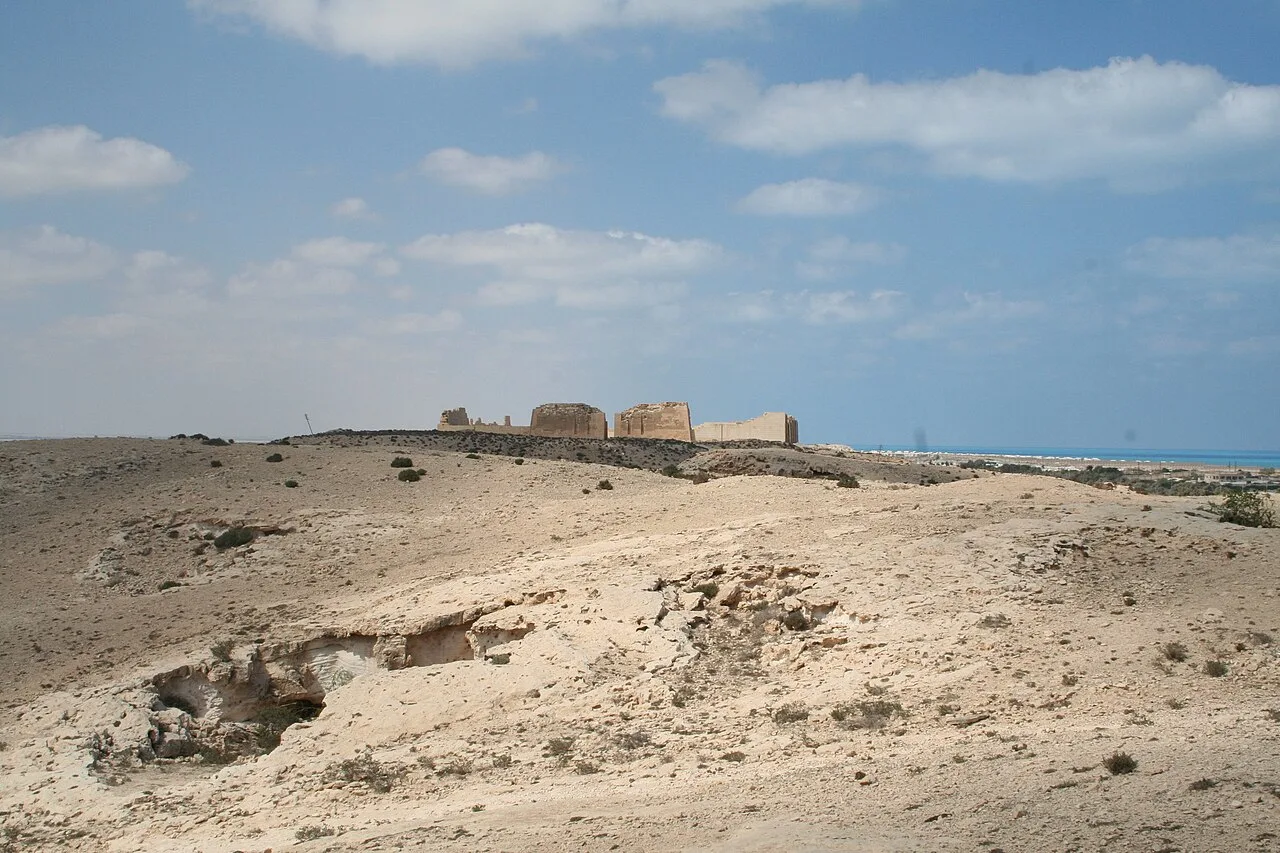
Ruins of a Graeco-Roman town in the desert north of Lake Qarun, centred on a temple of the crocodile god Soknopaios.
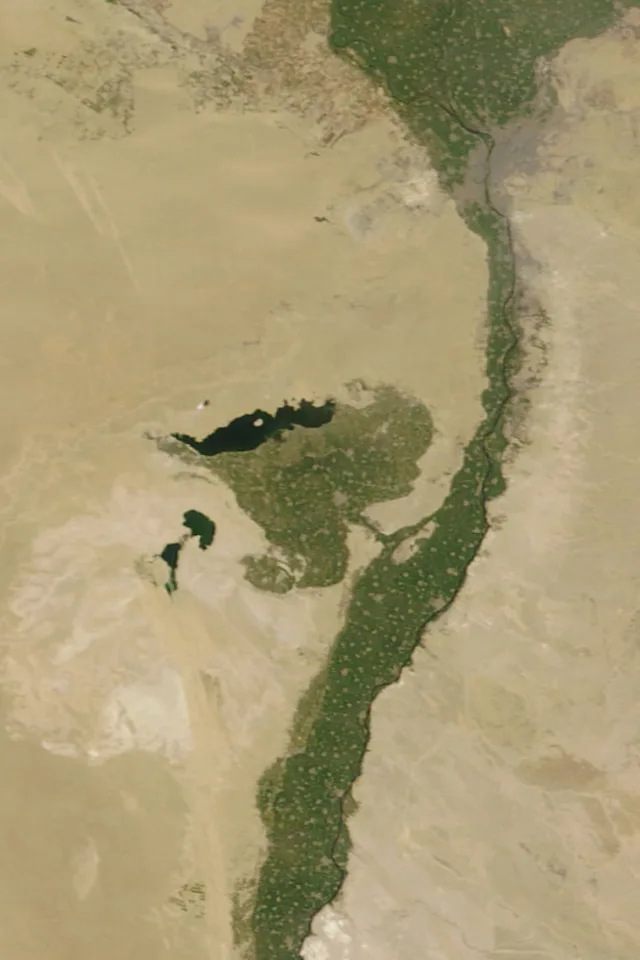
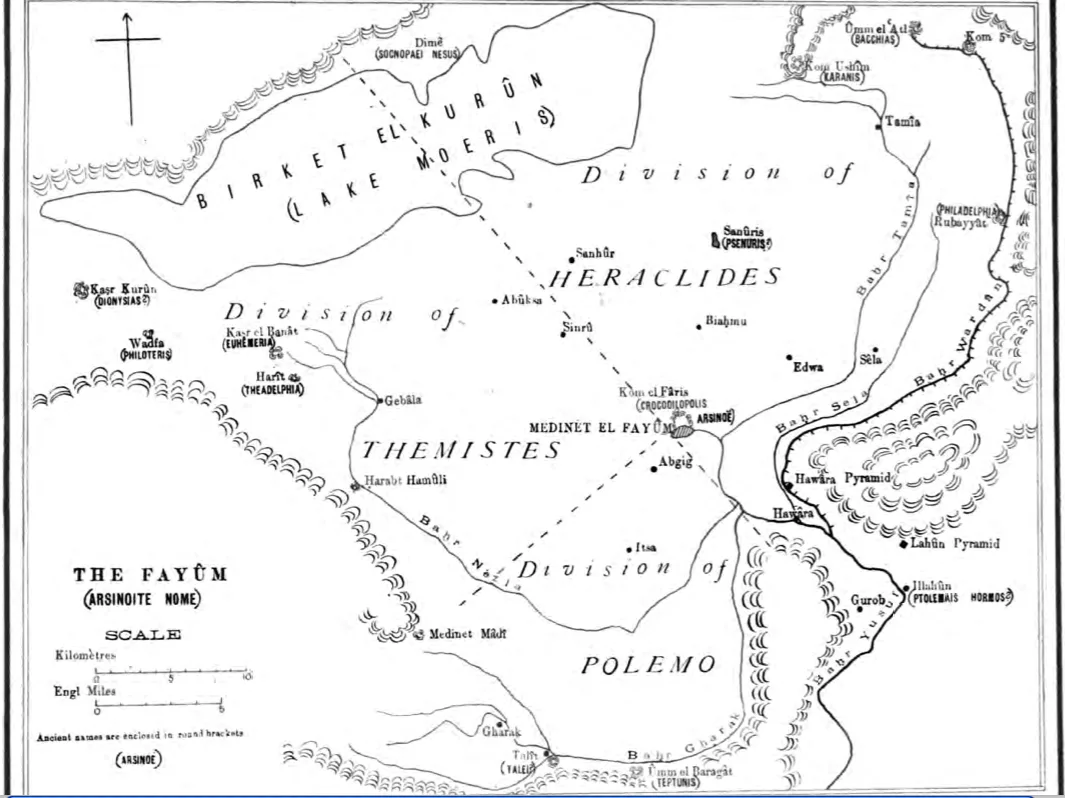
Soknopaiou Nesos (Ancient Greek: Σοκνοπαίου Νῆσος) was an ancient settlement in the Faiyum Oasis (Egypt), located a few kilometers north of Lake Qarun (known in antiquity as Lake Moeris).
The settlement - known nowadays as Dimeh es-Seba (Arabic: ديمة السباع), possibly meaning "Dimeh of the lions" - was an important religious center with an imposing temple dedicated to the god Soknopaios, an oracular god in shape of a crocodile with falcon head, from which the toponym of the town itself derived.
According to papyrological evidence Soknopaiou Nesos was founded in the 3rd century BCE, during the land reclamation project of the Faiyum carried out by the first Ptolemies, and was abandoned in mid 3rd century CE. The archaeological evidence instead, releases new data about a late reoccupation of the site, concentrated especially inside the area of the main temple of the town, during the 4th-5th centuries until the end of the Byzantine period.
Name
Soknopaiou Nesos means "The island of Soknopaios", a contraction of the longer Egyptian name tȝ mȝy Sbk nb Pay pȝ nṯr ʿȝ, "The Island of Sobek, the lord of Pai, the great god". Soknopaios is the local Hellenistic variant of Sobek, the main god of the Faiyum region.
Description of the site
The archaeological area of the settlement (kom) has an oval shape measuring 660 m N-S and 350 m E-W and it is crossed by a paved dromos 400 m long. The main archaeological evidence is the monumental light-grey mud-brick temenos to the North-West, with walls preserved in some points up to 15 m in height, having an irregular rectangular plan. Inside this enclosure several buildings are still recognizable, mainly built in mud bricks as well as in stone masonry.
The most important building is the main temple, located in the middle of the temenos, which hosted beside Soknopaios the synnaoi theoi, like Isis Nepherses and Soknopiais.
The temple is formed by two, contiguous sanctuaries built on the same North-South axis, aligned with the dromos. The two buildings formed one temple in the Roman period and were connected by an open-air courtyard. The former, to the South, is pretty well preserved and is built with brown limestone irregular stones and mud bricks; it has been interpreted as the earliest temple built at the beginning of the Hellenistic period. The latter, to the North, was badly dismantled since the end of Byzantine period and is preserved for only 1.60 m in height. It is built in regular yellow limestone blocks and is thought to be a late Ptolemaic or early Roman addition and became the sanctuary for the worship of the gods, while the building to the South became a sort of propylon. The North temple was restored probably in the first half of the 2nd century CE. A monumental contra-temple was built against its rear wall during the 1st century CE and then remodeled in the 2nd century. A remarkable, stone architectural model of the contra-temple in scale 1:20 was found inside it.
Source: Wikipedia · text available under CC BY-SA 4.0
- Location
- Fayoum, Egypt
- Coordinates
- 29.5347, 30.6692
- Category
- Ancient Sites
Source: Wikipedia · Factual information about the real landmark; unrelated to virtual ownership.
Price & ownership history
Landmarks near Dimeh el-Sibaa (Soknopaiou Nesos)
Map → Available
 Available
 Available
 Available