Karanis
Virtual asset linked to this landmark
- Virtual owner
- The platform
- Times sold
- 0
- Fame on Wikipedia
- 4,102 article reads in 12 months
- Searches (30 days)
- 0
- Watching
- 0
Virtual ownership only. It gives no legal, financial or physical right in the real landmark. Prices are set by the market and may fall.
About Karanis and its history
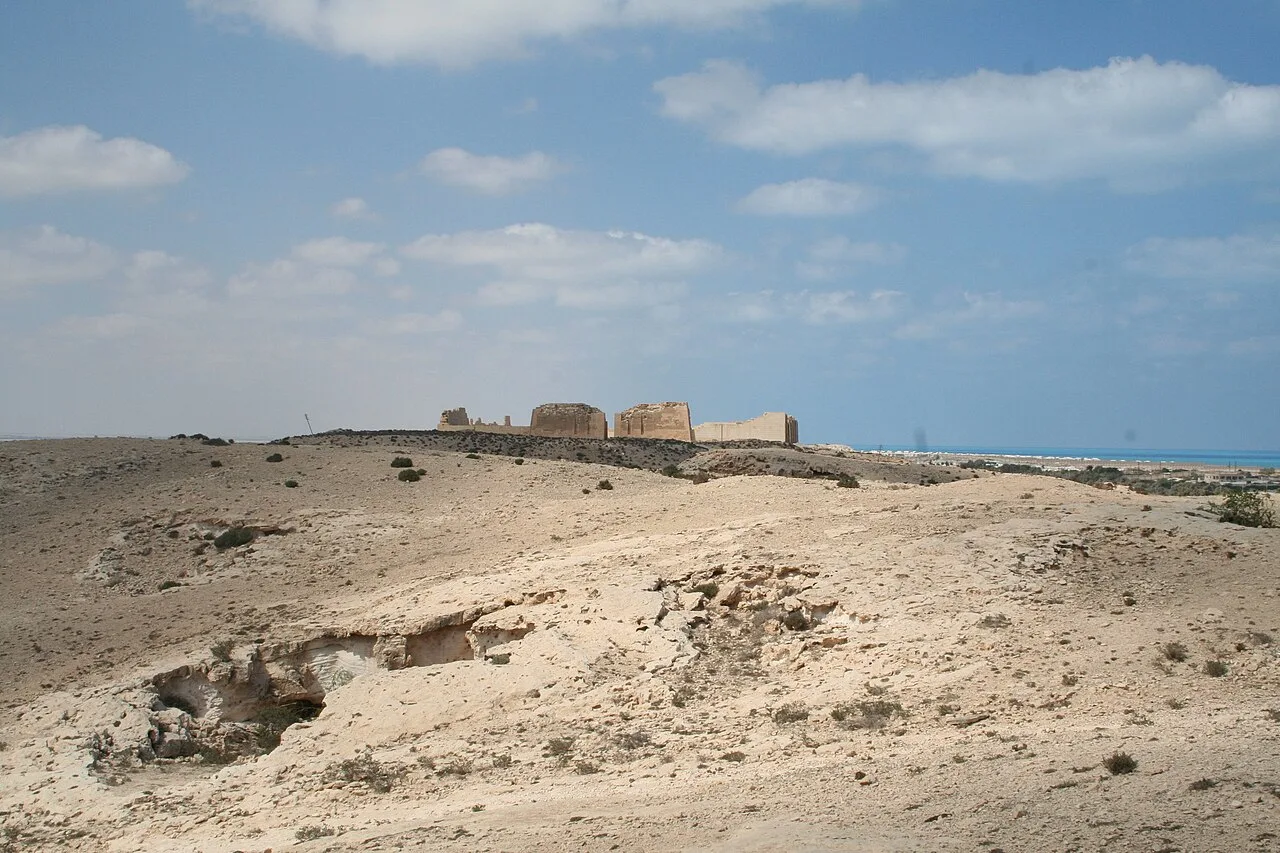
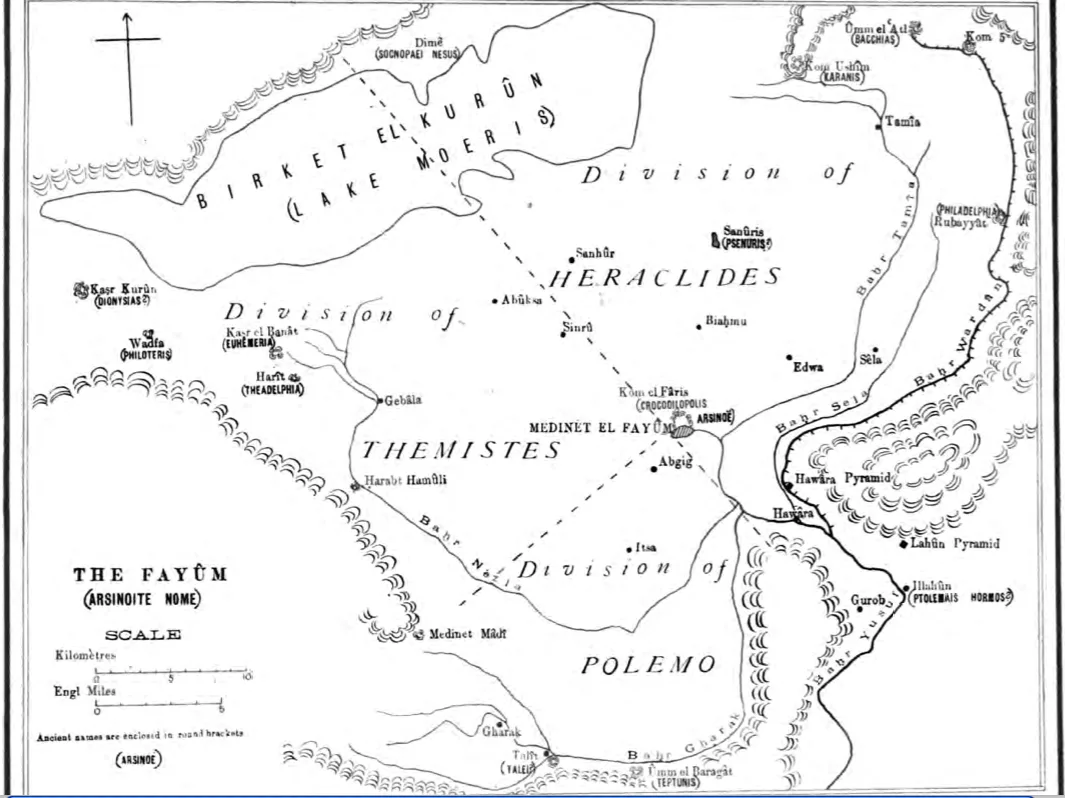
Ruins of a Graeco-Roman town founded in the third century BC at Kom Aushim on the northern edge of the Fayoum, with two temples.
Karanis (Koine Greek: Καρανίς), located in what is now Kom Aushim, was an agricultural town in Ptolemaic and Roman Egypt located in the northeast corner of the Faiyum Oasis. It was roughly 60 hectares in size and its peak population is estimated to be 4000 people, although it could have been as much as three times greater.
Karanis was one of a number of towns in the Arsinoites nome established in the third century BC by Ptolemy II Philadelphus. The town largely stagnated in the late Ptolemaic period, until in the first century BC it expanded north when Augustus, having conquered Egypt and also recognizing the Faiyum's agricultural potential, sent workers to clean up the canals and restore the dikes that had fallen into decline, restoring productivity to the area. Karanis was continuously occupied up until about the time of the seventh-century Sasanian conquest of Egypt, when it was gradually abandoned due to unclear causes.
Structures
Beginning in 1924, large-scale excavations uncovered many structures on the site, including houses, granaries, a bath complex, and two significant temples.
The south temple's origins can be traced back to as early as the first century BC and it was occupied until the late third or fourth century AD. The temple was dedicated under Nero to the crocodile related gods Pnepheros and Petesouchos. It is built in an Egyptian style, made of limestone blocks, and may have been built on the site of an earlier temple. In addition to shrine rooms and storage rooms, the north and south sides of the south temple contain houses and storerooms for the temple's priests. Local weddings and banquets could be held in the dining room in the temple's southeast corner.
The north temple was built in the early Roman period, and is made of limestone in Egyptian style. It is mostly undecorated, with the exception of Greco-Roman style engaged columns on the temple's outer corners and in each internal doorway. Though the temple has no inscription clearly stating its purpose, it is likely dedicated to a crocodile god, indicated by the presence of an altar that fits a crocodile mummy, and of a soft white limestone figure of a hawk-headed crocodile that likely represents the god Soknopaios. The temple also features an altar with the head of Serapis, Zeus, or a syncretism of the two.
Source: Wikipedia · text available under CC BY-SA 4.0
- Location
- Fayoum, Egypt
- Coordinates
- 29.5178, 30.9031
- Category
- Ancient Sites
Source: Wikipedia · Factual information about the real landmark; unrelated to virtual ownership.
Price & ownership history
Landmarks near Karanis
Map → Available
 Available
 Available
 Available