Tayma Oasis
Virtual asset linked to this landmark

- Virtual owner
- The platform
- Times sold
- 0
- Fame on Wikipedia
- 29,346 article reads in 12 months
- Searches (30 days)
- 0
- Watching
- 0
Virtual ownership only. It gives no legal, financial or physical right in the real landmark. Prices are set by the market and may fall.
About Tayma Oasis and its history
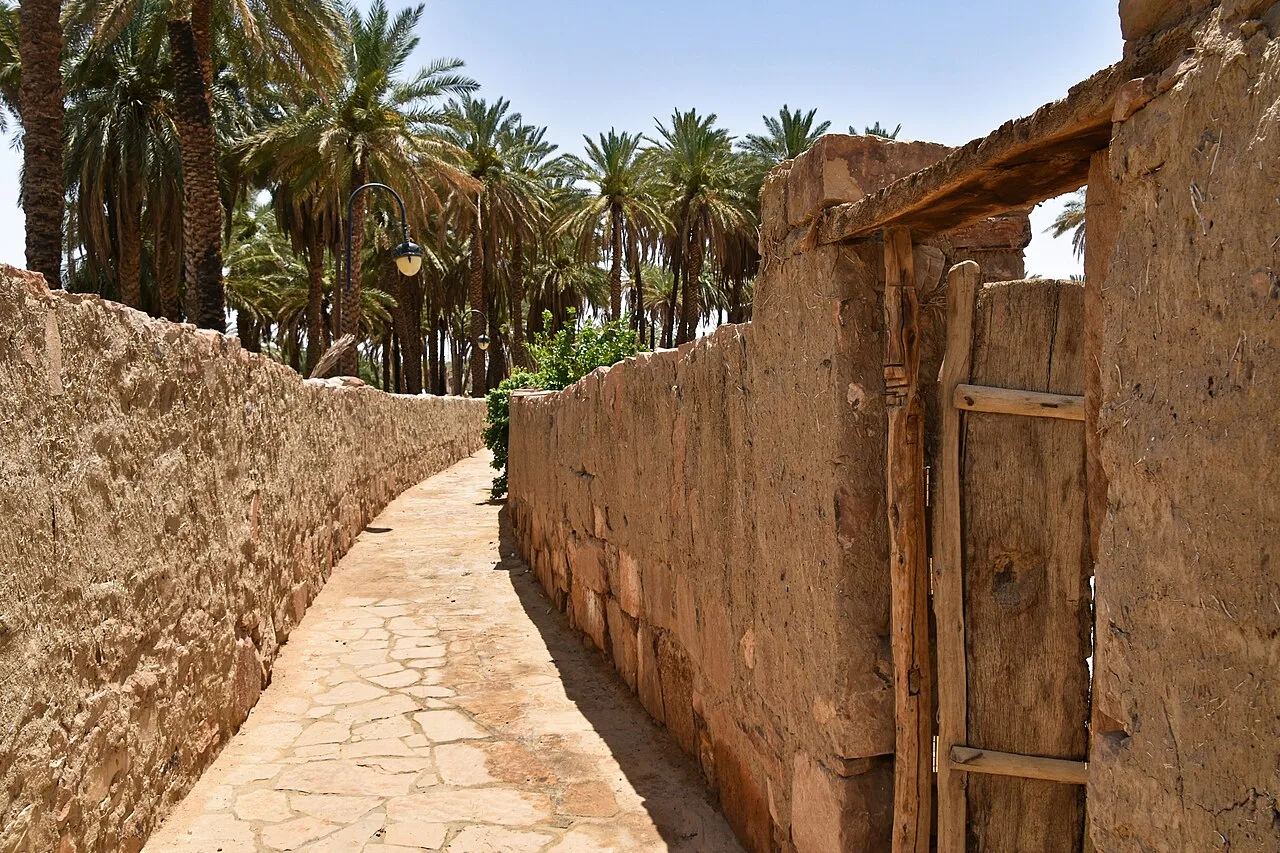
An ancient caravan-route oasis with remains going back thousands of years.
Tayma (Arabic: تيماء, romanized: Taymāʾ; Taymanitic: 𐪉𐪃𐪑, tmʾ, vocalized as: Taymāʾ), also spelled Tema, is a Saudi city and governorate, in Tabuk Province, and major oasis with a long history of habitation.
It is located in northwestern Saudi Arabia at the point where the trade route between Medina and Dumah (Sakaka) begins to cross in the western portion of the Nafud desert. Tayma lies about 264 km (164 mi) southeast of Tabuk and approximately 400 km (250 mi) north of Medina.
History
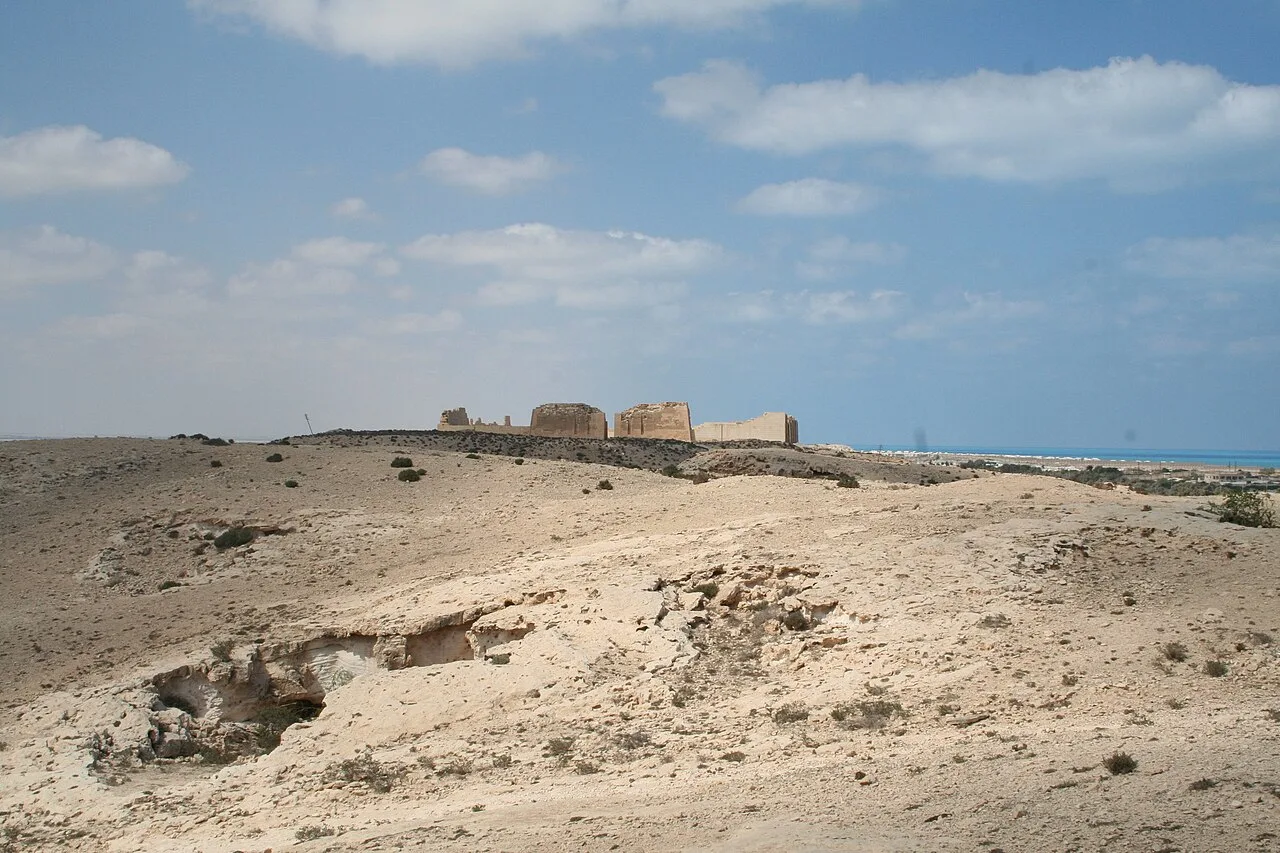
Tayma is one of the largest archaeological sites in Saudi Arabia. It was a major oasis city in ancient times, and its geographic position made it a major point along the trade route that connected South Arabia with the Eastern Mediterranean, and it is also located at the crossroads of southern Arabia, Mesopotamia, the Levant, and Egypt. Though Tayma was not directly one of the stopping points of the Frankincense Road, its constant water supply made it an attractive stopover point for travellers. Both written and archaeological evidence has shown that "the site maintained close economic, political and religious ties with all the regions of the Middle East before the Islamic era".
The earliest evidence of sedentary human habitation in Tayma is from the early 4th millennium BC in the Bronze Age. Over the course of the 2nd millennium BC, Tayma was becoming more important: a substantial expansion of the settlement has been documented in the mid-2nd millennium BC, including the construction of a massive wall made of mudbrick and sandstone around it. By the end of the 2nd millennium BC, Tayma had become an economically important site, and was a member of a religious and political confederation. A key role in the emergence of Tayma as a key economic city in this period of time, facilitating a role for it in the place of international trade, was the domestication of the dromedary (Camelus dromedarius). Many weapons from the Levant dating to this time have been found at the site, highlighting the impact that trade relations had on the local material culture of Tayma.
In the beginning of the Iron Age, the inhabitants of Tayma began to build monumental architecture, much of it related to the hegemony of nearby Egypt during the Ramesside Period. For example, in 2010, the Pharaonic Tayma inscription was discovered, the first hieroglyphic inscription found on Saudi soil, commissioned by Ramesses III (r. 1186–1155 BC) located about 60 kilometers northwest of Tayma. It reads:The King of Upper and Lower Egypt, Lord of the Two Lands, User-Maat-Ra, beloved of Amun / The Son of Ra, Lord of Crowns, Ramesses, ruler of Heliopolis / Beloved of the Great Ruler of All Lands.This inscription is similar to other Egyptian hieroglyphs in the Central Sinai and Southern Negev, and it confirms the presence of a royal Egyptian expedition in northwest Arabia, but little is known about the nature of the Egyptian presence that made it.
Source: Wikipedia · text available under CC BY-SA 4.0
- Location
- Tabuk, Saudi Arabia
- Coordinates
- 27.6300, 38.5500
- Category
- Ancient Sites
Source: Wikipedia · Factual information about the real landmark; unrelated to virtual ownership.