Al-Ukhdood Archaeological Site
Virtual asset linked to this landmark
- Virtual owner
- The platform
- Times sold
- 0
- Fame on Wikipedia
- 992 article reads in 12 months
- Searches (30 days)
- 0
- Watching
- 0
Virtual ownership only. It gives no legal, financial or physical right in the real landmark. Prices are set by the market and may fall.
About Al-Ukhdood Archaeological Site and its history
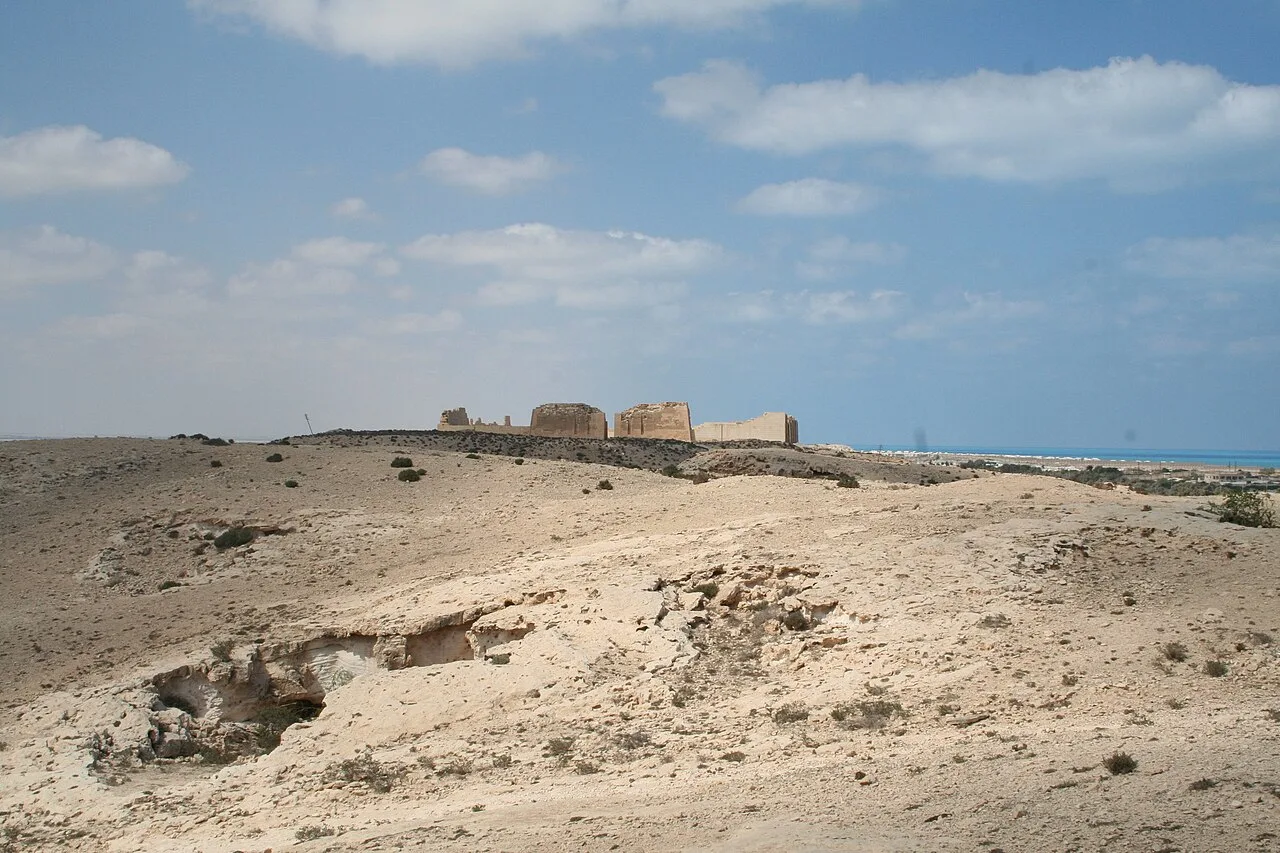
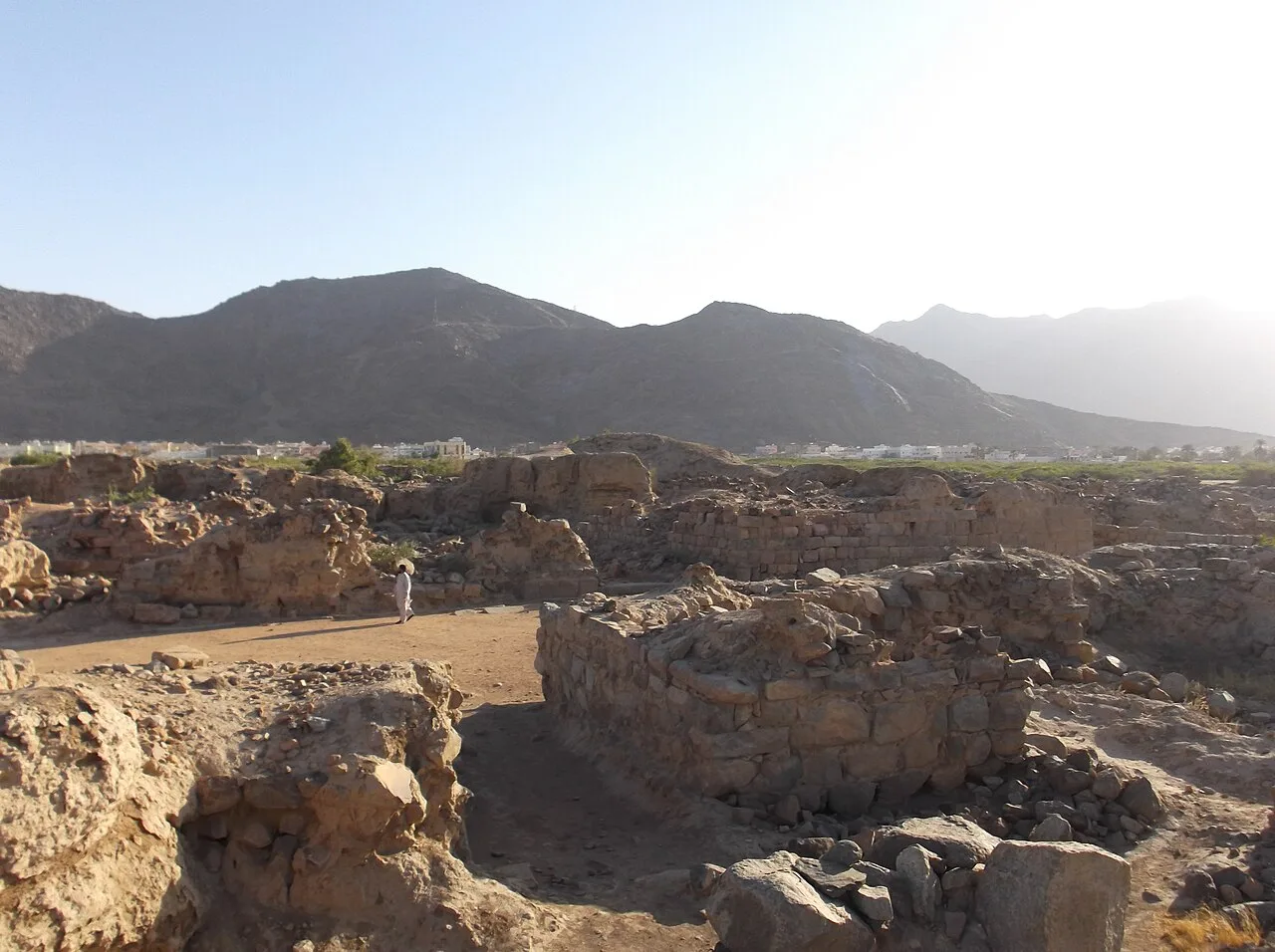
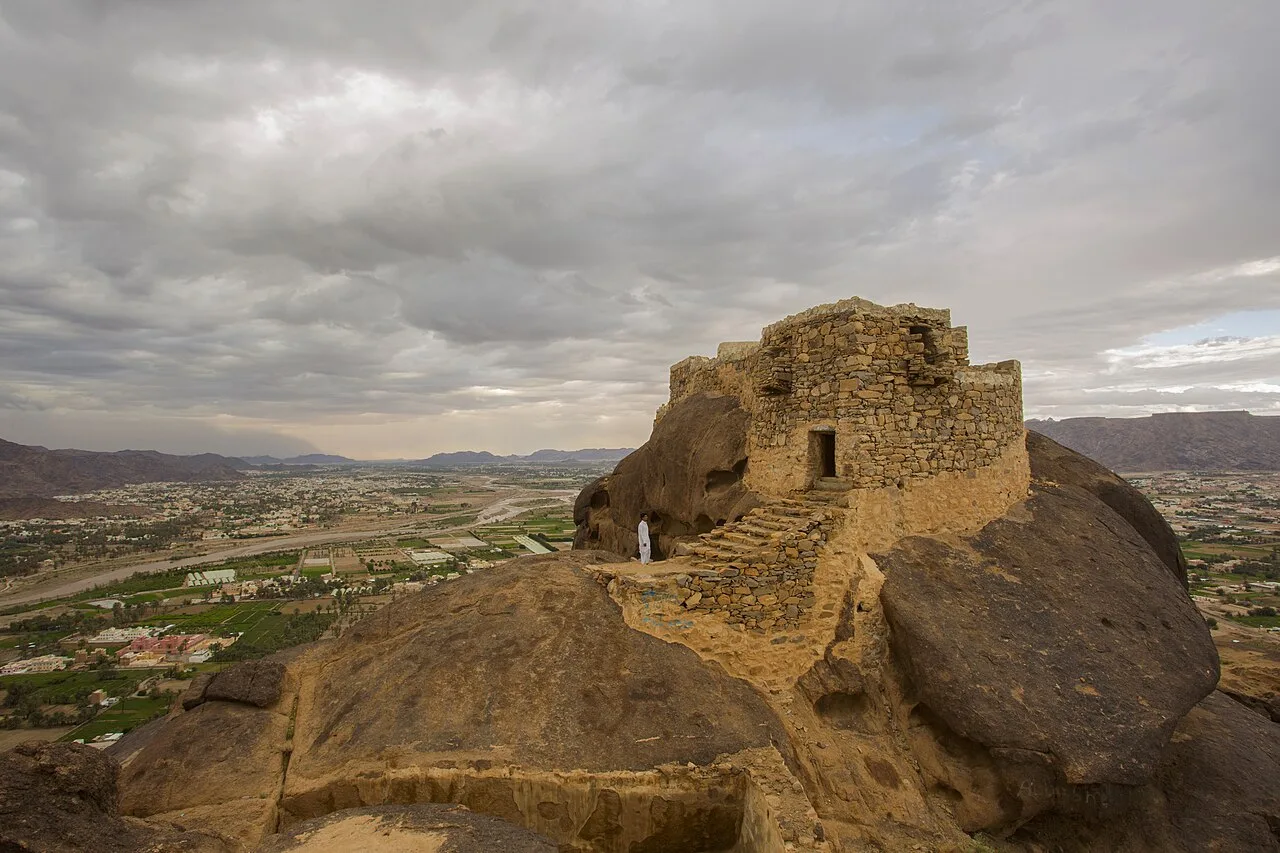
The site of an ancient walled city in Najran.
Al-Okhdood (Arabic: الأخدود) or Al-Okhdood Archaeological Site, is an ancient South Arabian town located in Najran Province in Saudi Arabia, southeast of the present-day city of Najran. Currently in ruins, the town dates back to at least 500 BCE and was formerly a hub for trading and commercial purposes. It is also famous for being the location where the Himyarite king Dhu Nuwas massacred the majority of the population of the city which had converted to Christianity from South Arabian polytheism.
Etymology
The name Al-Okhdood, also spelled as al-Ukhdud, means trench, ditch or pit in Arabic. This name was given in reference to the story of the People of the Ditch in the Quran, which likely refers to the inhabitants of Najran who were massacred by being thrown alive into burning trenches.
Location
Al-Okhdood is located in Najran Province, near the region of Bir Hima, and is about 1300 kilometres south of Riyadh.
During ancient times, Al-Okhdood was a large centre for trading and other commercial activities. The entire town generally dates back to at least 500 BCE. The largest of these structures is a fort, which dates back to the 1st century BCE and is built out of bricks made from stone and mud.
During the time period of Late Antiquitiy, the inhabitants of Najran adhered to South Arabian polytheism and venerated a large tree which they had deified. It was during this time that a Christian preacher, Phemion, had entered Najran and begun to spread his religion, something which the people accepted. Other sources report his apprentice Abdullah ibn Thamir as being the one to actually solidify the Christian religion in Najran. Either way, the town was home to the Christian community of Najran in Late Antiquitiy.
According to the Martyrdom of Azqir, in the 470s, the Himyarite king Sharhabil Yakkuf ordered the execution of a Christian priest named Azqir, who had erected a chapel or church in the ancient town. Two governors, Dhu Tha'laban and Dhu Qaifan, were also sent to destroy this religious structure. These actions done by King Sharhabil were likely not religiously motivated and were probably just to prevent the Byzantine influence from spreading, as Christianity was most likely seen as something affiliated with Byzantium. Almost a century later, in the 520s, the last Himyarite king Dhu Nuwas invaded Najran after the city had refused to pledge allegiance to him, although other sources including the Tarikh al-Tabari report that it was because Dhu Nuwas, who had a hatred for Christianity, had found out that the inhabitants of Najran were now Christians. All of the people of Najran who had refused to accept Judaism or leave Christianity were brutally massacred, and their churches and chapels burnt to the ground.
Source: Wikipedia · text available under CC BY-SA 4.0
- Location
- Najran, Saudi Arabia
- Coordinates
- 17.4800, 44.1700
- Category
- Ancient Sites
Source: Wikipedia · Factual information about the real landmark; unrelated to virtual ownership.
Price & ownership history
Landmarks near Al-Ukhdood Archaeological Site
Map → Available
 Available
 Available
 Available