Rabigh
Virtual asset linked to this landmark
- Virtual owner
- The platform
- Times sold
- 0
- Fame on Wikipedia
- 25,539 article reads in 12 months
- Searches (30 days)
- 0
- Watching
- 0
Virtual ownership only. It gives no legal, financial or physical right in the real landmark. Prices are set by the market and may fall.
About Rabigh and its history
An old coastal town on the Red Sea between Jeddah and Yanbu, formerly a station on the coastal caravan route.
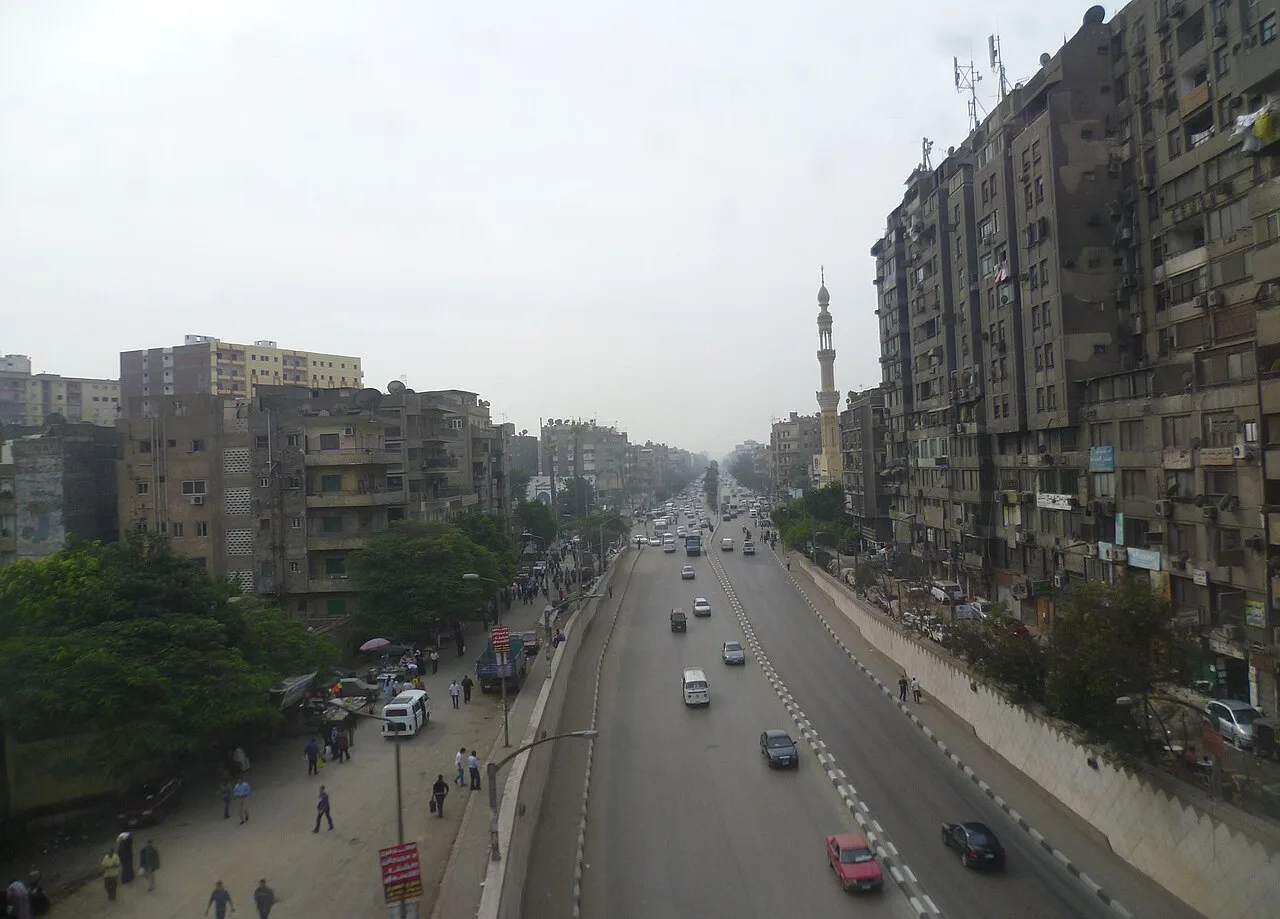
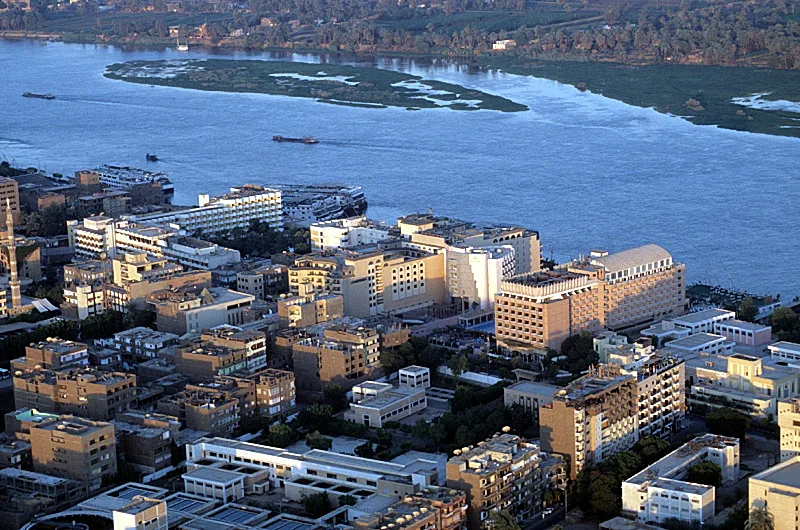
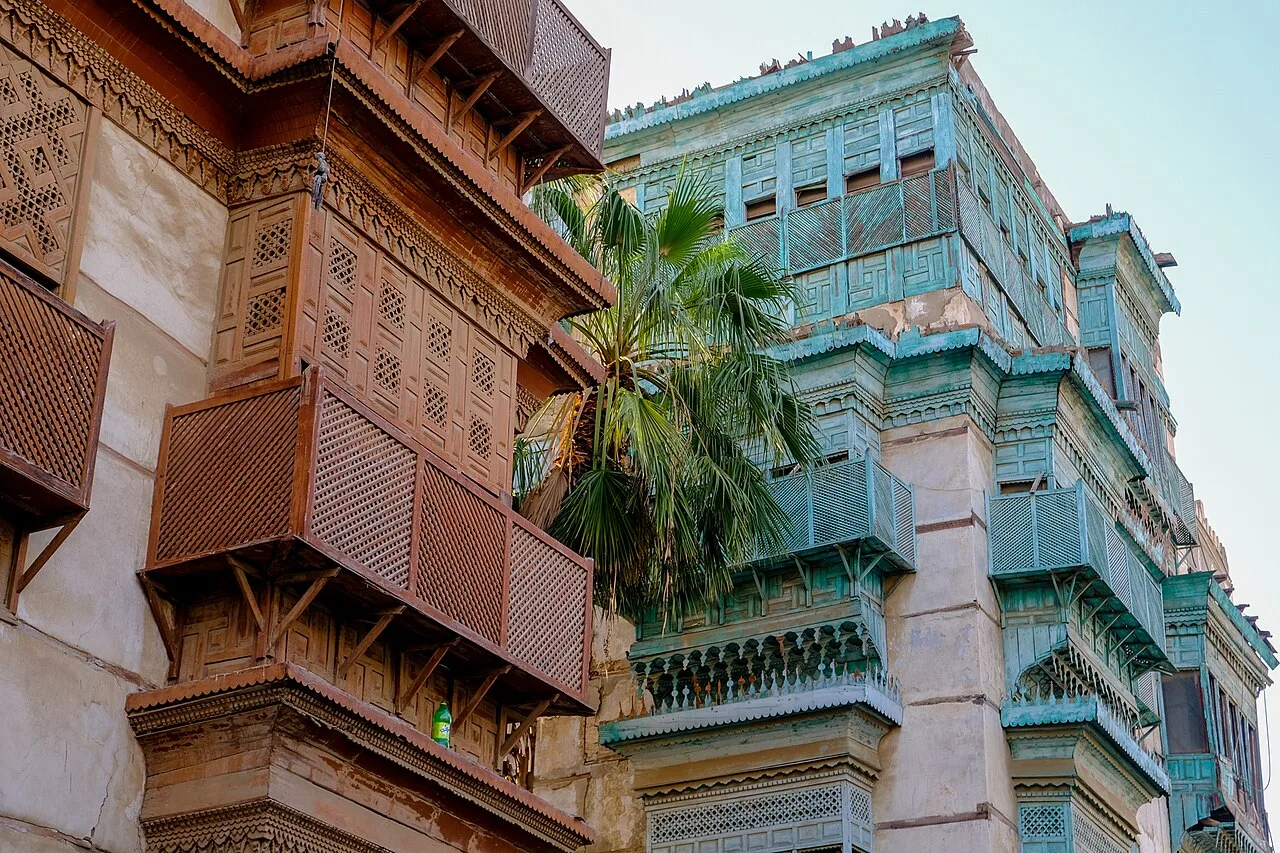
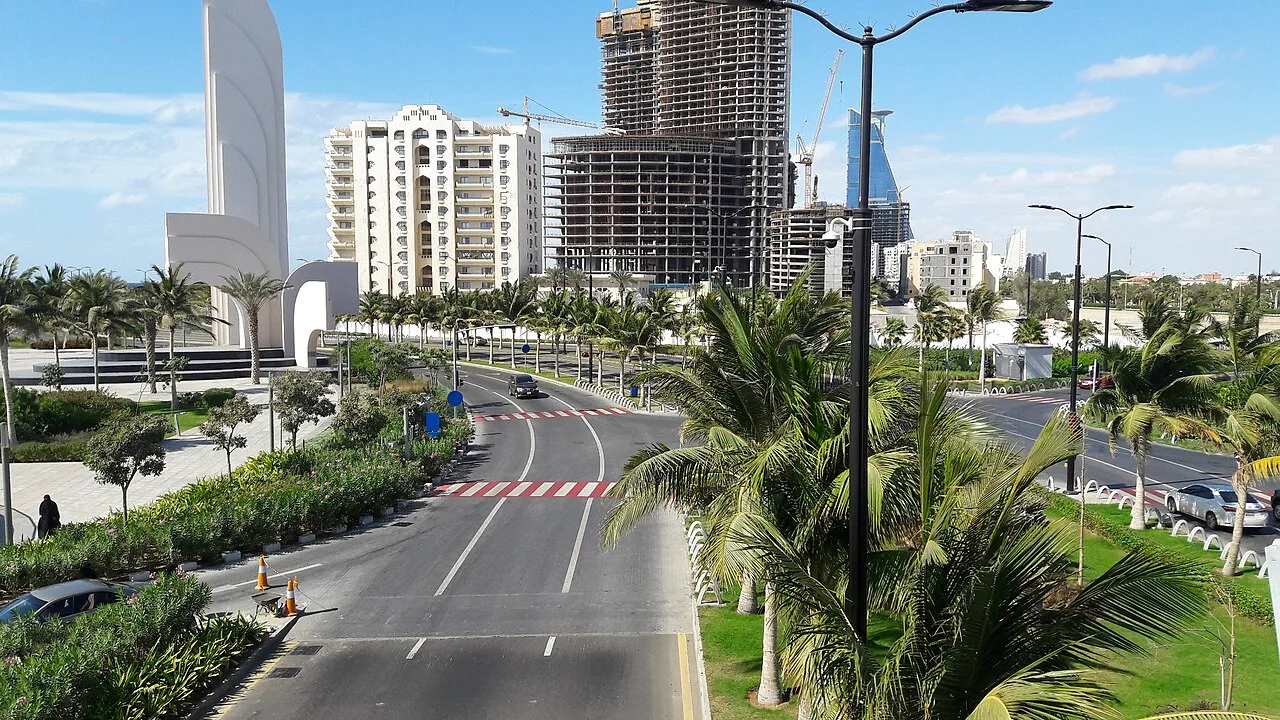
Rabigh (Arabic: رَابِغ, romanized: Rābigh) is a city and governorate in the Province of Makkah of the Kingdom of Saudi Arabia, situated on the coast of the Red Sea, around 208 km (129 miles) northwest of Mecca in the historic Hejazi region. The city had an estimated population of 180,352 in 2014 and is situated at an elevation of 13 m (43 ft) above sea level, close to the border with the Madinah Province. The city dates back to the era before the advent of Islam in the 7th century C.E., and up to the 17th century, was known as Al-Juhfah, or Al-Johfah (Arabic: ٱلْجُحْفَة, romanized: Al-Juḥfah).
Due to the strategic location of Rabigh on the Red Sea, it has been the site of several high-profile projects such as the King Abdullah University of Science and Technology, Petro Rabigh and King Abdullah Economic City. The Rabigh Governorate is divided into 5 marākiz (مَرَاكِز, centres), Rabigh, Nuweiba, Abwa', Mastoura and al-Qadimah. It is governed by Governor Khalid al-Ghanmi.
History
The historical importance of the city is driven by the fact that it was a stopover for Hajj and Umrah pilgrims coming from Egypt and the Levant, as defined by the Islamic prophet Muhammad. The city was also located along pre-Islamic caravan routes between Yemen and the Levant. As a coastal town, fishing was the main source of income for the people of Rabigh, until the discovery of oil.
Rabigh is known to have existed before the advent of Islam. Even up to the 17th century, the area in and around the city was known by its old name, al-Juhfah, also spelt al-Johfah. During the time of Muhammad, Rabigh was a frequent site of raids by Muslims on the Meccan caravans that passed through the region. It has been recorded Sahih Bukhari that Muhammad defined Al-Juhfah as the miqat for pilgrims arriving for Hajj and Umrah from Egypt and the Levant.
According to Islamic historical sources, in April 623 CE, Muhammad sent Ubaydah ibn al-Harith with a party of sixty armed Muhajirun to the baṭn (Arabic: بَطْن, lit. 'valley') of Rabigh. They expected to intercept a Qurayshi caravan that was returning from Ash-Shaam, under the protection of Abu Sufyan ibn Harb and 200 armed riders. The Muslim party travelled as far as the wells at Thanyat al-Murra, where Sa'ad ibn Abi Waqqas shot an arrow at the Quraysh. This is known as the first arrow of Islam. Despite this surprise attack, "they did not unsheath a sword or approach one another," and the Muslims returned empty-handed; however, two Meccan traders left their caravan, became Muslim, and went with the expedition back to Medina.
With the discovery of oil in Saudi Arabia and the completion of the East–West pipeline, Saudi Aramco chose Rabigh to be the site of their new refinery and port. Construction on the Rabigh refinery began in 1981, during the reign of King Fahd.
Source: Wikipedia · text available under CC BY-SA 4.0
- Location
- Jeddah, Saudi Arabia
- Coordinates
- 22.7986, 39.0349
- Category
- Districts, Streets & Markets
Source: Wikipedia · Factual information about the real landmark; unrelated to virtual ownership.
Price & ownership history
Landmarks near Rabigh
Map →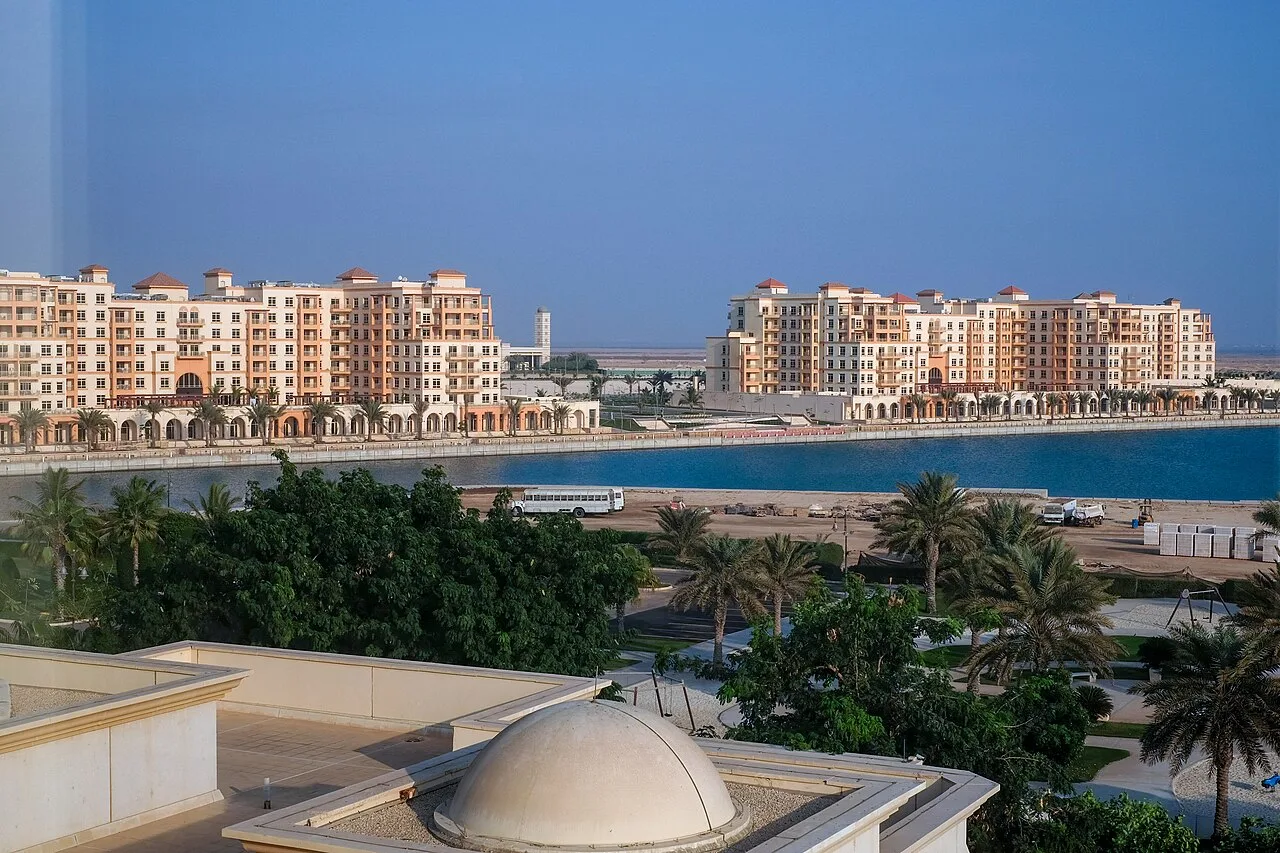 Available
 Available
 Available