Jabal Ithlib
Virtual asset linked to this landmark

- Virtual owner
- The platform
- Times sold
- 0
- Searches (30 days)
- 0
- Watching
- 0
Virtual ownership only. It gives no legal, financial or physical right in the real landmark. Prices are set by the market and may fall.
About Jabal Ithlib and its history
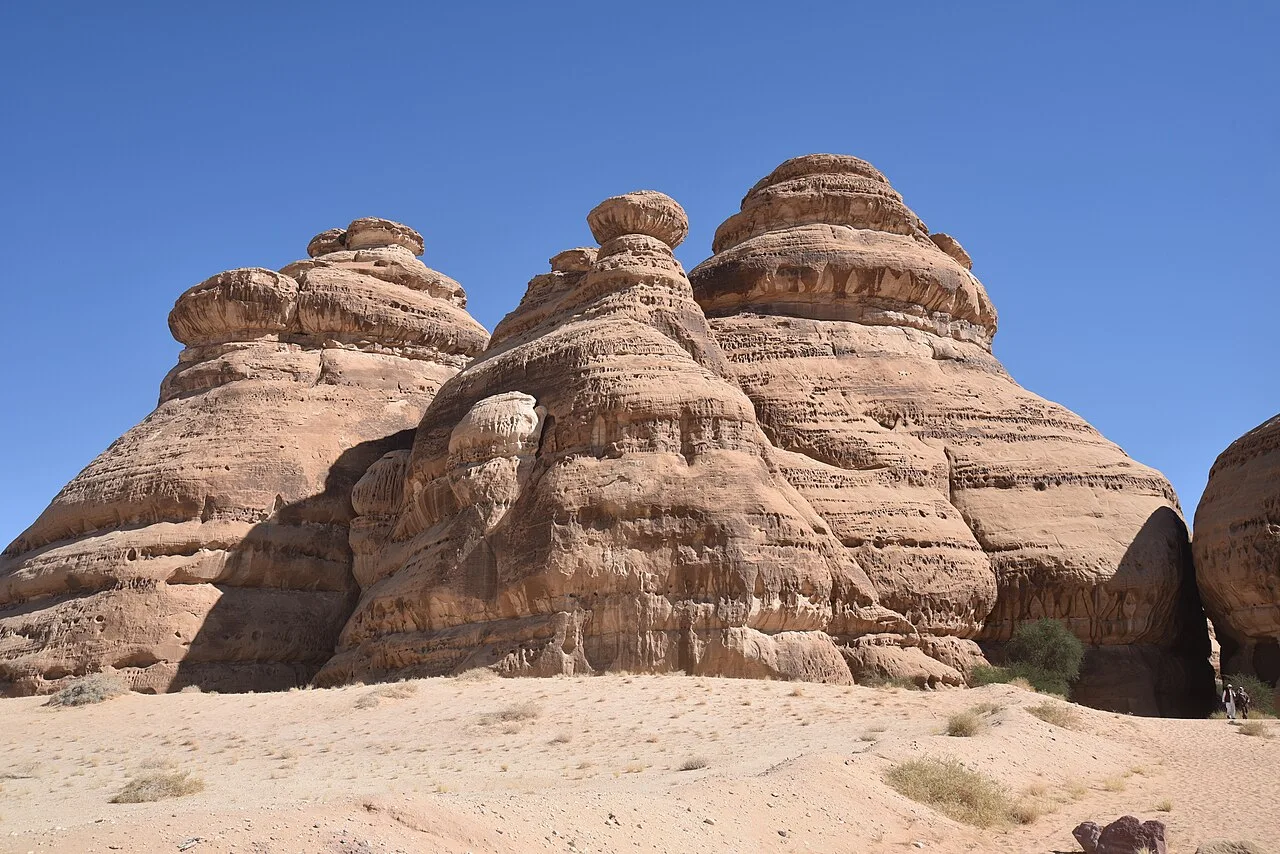
A rock massif in the north-east of Hegra that was a Nabataean ceremonial area, with the carved Diwan hall and a narrow Siq passage.
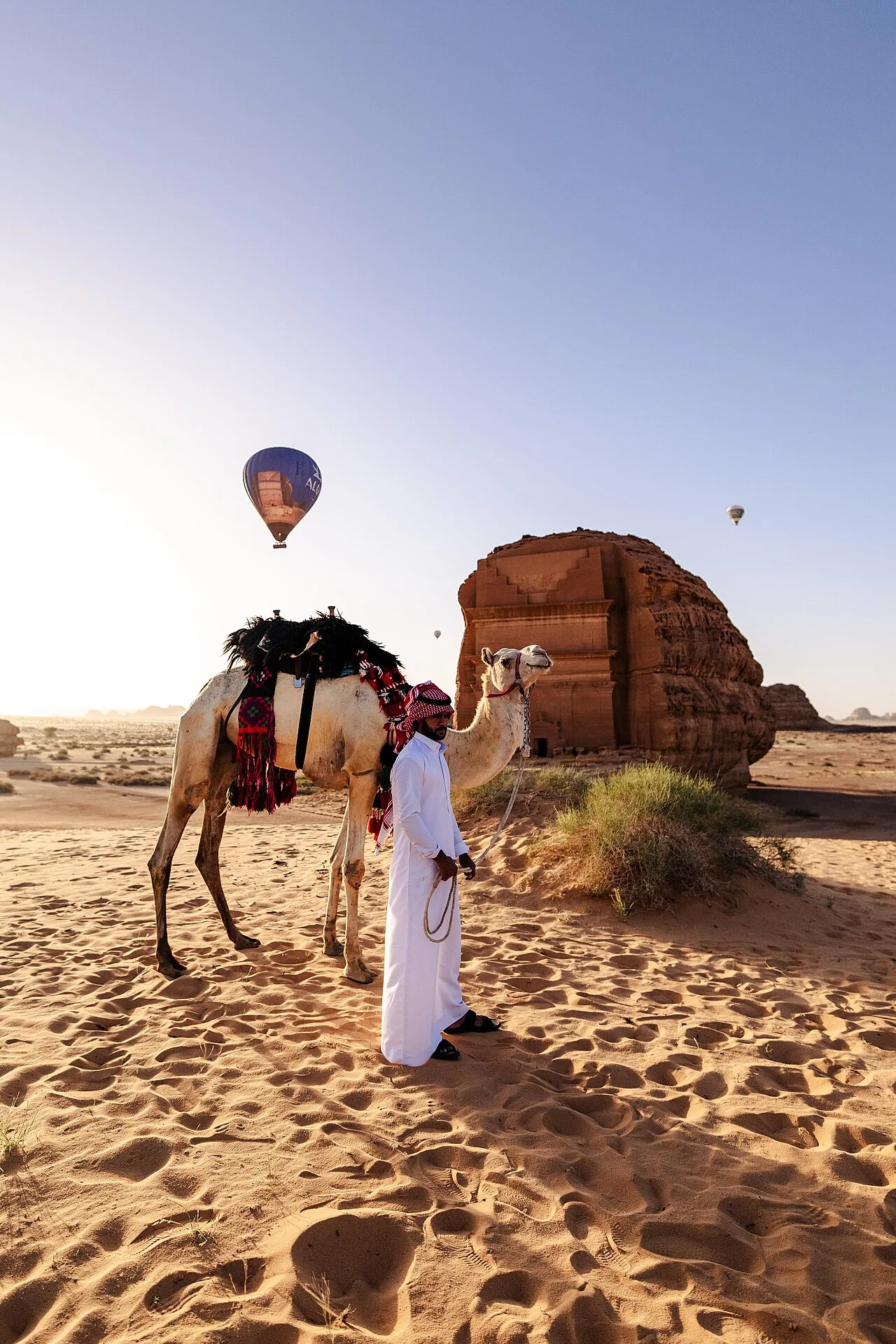
Jabal Ithlib is a massif of high sandstone outcrops in the north-eastern part of the archaeological site of Hegra, also known as Mada'in Salih, in AlUla Governorate in north-western Saudi Arabia. Hegra was the first Saudi site to be inscribed on the UNESCO World Heritage List, in 2008. While carved Nabataean tombs are spread across the other outcrops of the site, this area was set apart for religious ceremonies.
Its use dates from the time of the Nabataeans, under whom Hegra flourished in the first century AD as their principal city in the south. At the entrance to the massif is the Diwan, a large square chamber cut into the rock and open at the front. Stone benches run along its three inner sides, where participants in ritual banquets would have sat.
Beside the Diwan begins the Siq, a narrow natural passage between two high rock walls. Along its walls are small niches, carved standing stones representing Nabataean deities, and inscriptions. The area gives a picture of Nabataean religious life that complements what the tombs show of other aspects of their society.
- Location
- AlUla, Saudi Arabia
- Coordinates
- 26.7990, 37.9640
- Category
- Ancient Sites
Price & ownership history
Landmarks near Jabal Ithlib
Map → Available
📖 9 K reads
Available
📖 9 K reads
 Available
📖 16 K reads
Available
📖 16 K reads
 Available
📖 2 K reads
Available
📖 2 K reads
 Available