Dadan
Virtual asset linked to this landmark

- Virtual owner
- The platform
- Times sold
- 0
- Fame on Wikipedia
- 26,825 article reads in 12 months
- Searches (30 days)
- 0
- Watching
- 0
Virtual ownership only. It gives no legal, financial or physical right in the real landmark. Prices are set by the market and may fall.
About Dadan and its history
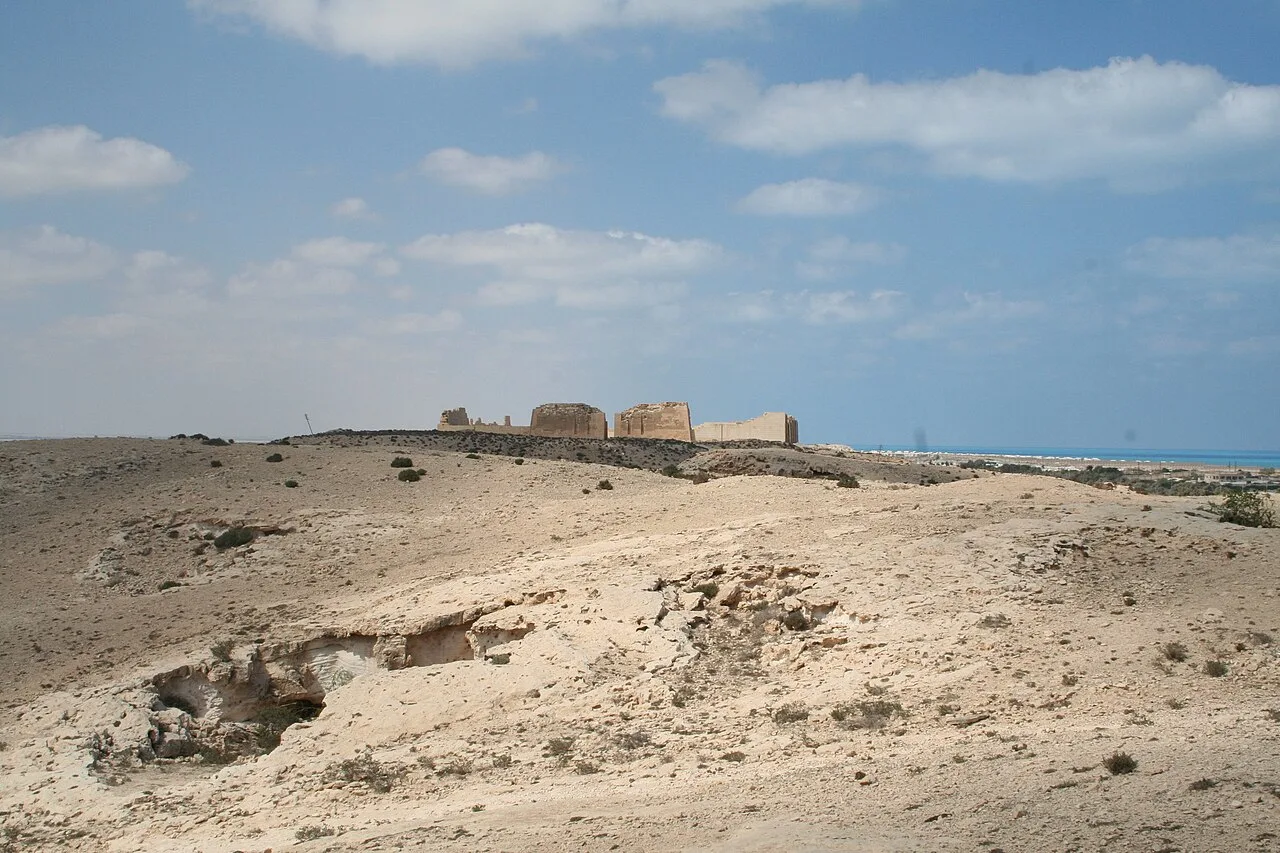
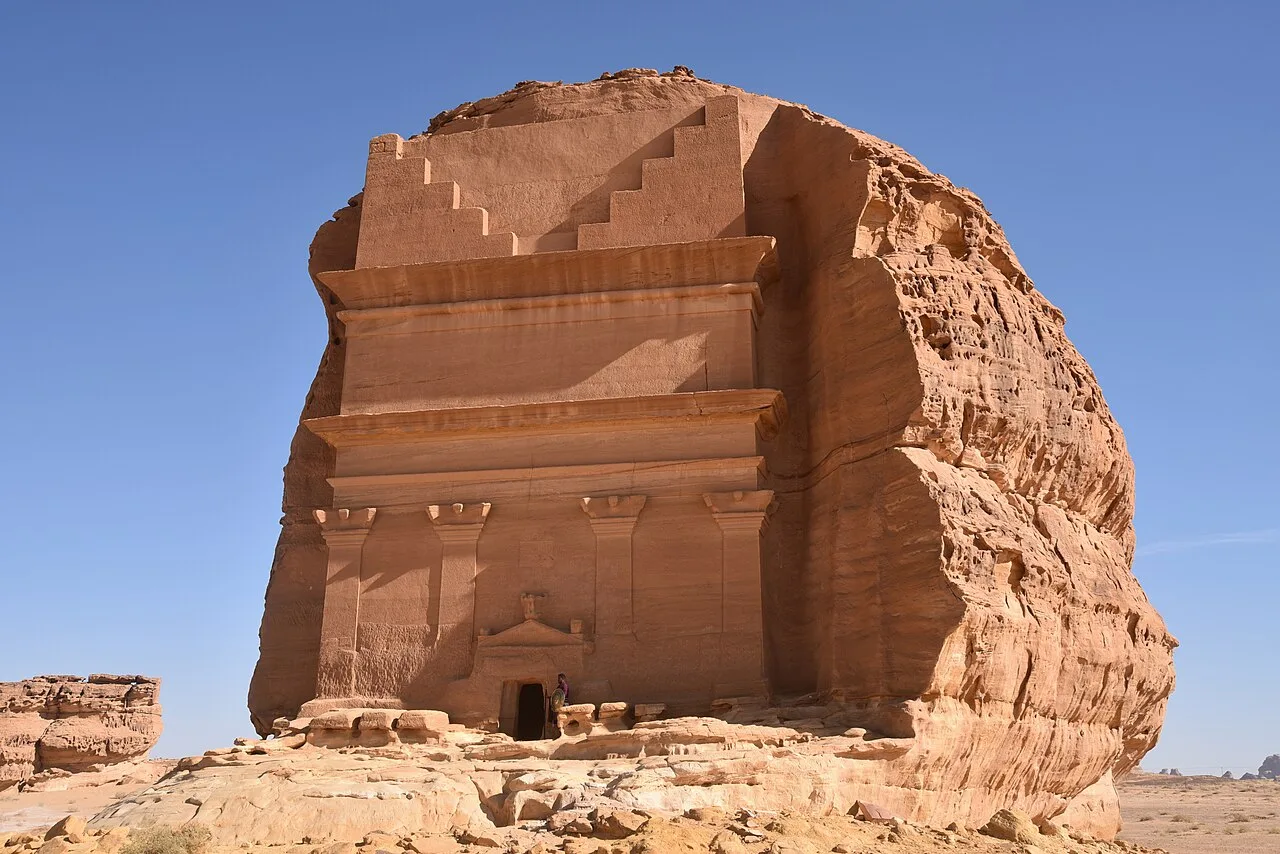
Site of the capital of the ancient kingdoms of Dadan and Lihyan in AlUla.
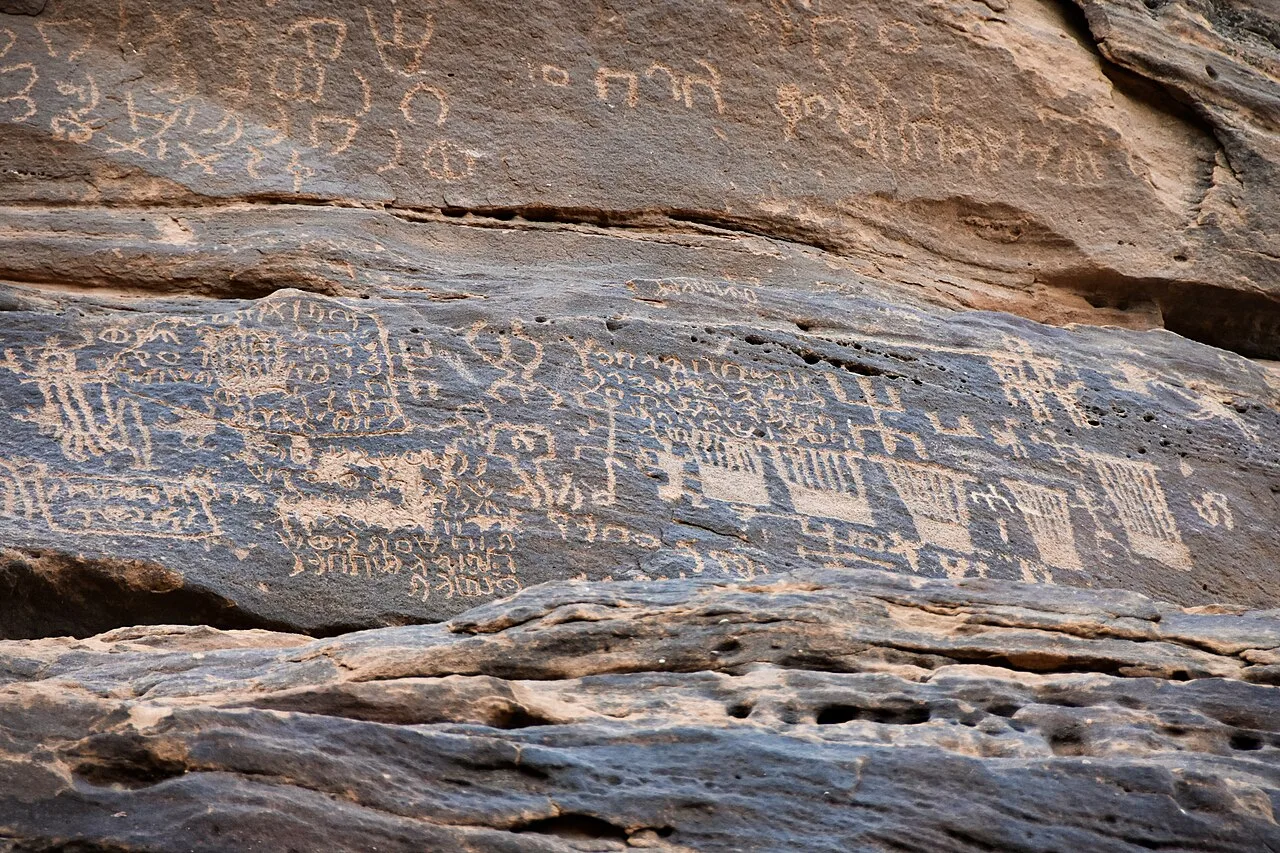
Lihyan (Arabic: لحيان, Liḥyān; Greek: Lechienoi), also called Dadān or Dedan, was an ancient Arab kingdom that played a vital cultural and economic role in the north-western region of the Arabian Peninsula and used Dadanitic language. The kingdom flourished for at least a century and a half, at some point between the 5th and 1st centuries BC. The Lihyanites ruled over a large domain from Yathrib in the south and parts of the Levant in the north.
In antiquity, the Gulf of Aqaba was called the Gulf of Lihyan, a testimony to the extensive influence that Lihyan acquired. The term "Dedanite" usually describes the earlier phase of the history of this kingdom since their capital name was Dedan, which is now called Al-'Ula oasis located in northwestern Arabia, some 110 km southwest of Teima, both cities located in modern-day Saudi Arabia, while the term "Lihyanite" describes the later phase. Dadan in its early phase was "one of the most important caravan centers in northern Arabia". It is also mentioned in the Hebrew Bible.
The Lihyanites later became the enemies of the Nabataeans. The Romans invaded the Nabataeans and acquired their kingdom in 106 AD. This encouraged the Lihyanites to establish an independent kingdom to manage their country. This was headed by the King Han'as, one of the former royal family, which governed Al-Hijr before the Nabataean expansion.
Terminology
The term Dedan (ddn) appears in ancient texts exclusively as a toponym (name of a place), while the term Lihyan (lḥyn) appears as both a toponym and an ethnonym (name of a people). Dedan appears initially to have referred to the mountain of Jabal al-Khuraybah. In Minaean language inscriptions, the two terms appear together, the former indicating a place and the latter a people. Nonetheless, in modern historiography, the terms are often employed with a chronological meaning, Dedan referring to the earlier period and Lihyan the later of the same civilization.
The adjectives "Dedanite" and "Lihyanite" were often used in the past for the Dadanitic language and script, but they are now most often used in an ethnic sense in analogy with the distinction between "Arab" and "Arabic".
Dadān represents the best approximation of the original pronunciation, while the more traditional spelling Dedan reflects the form found in the Hebrew Bible. "Dedan" figures as a personal name in Genesis 10:7 (a son of Raamah and grandson of Cush), and Genesis 25:3 (a son of Jokshan and grandson of Abraham and Keturah). In later writings, including the Book of Isaiah and the Book of Ezekiel, the Dedanites or Dedanim are mentioned as a people involved in trade.
Source: Wikipedia · text available under CC BY-SA 4.0
- Location
- AlUla, Saudi Arabia
- Coordinates
- 26.6500, 37.9300
- Category
- Ancient Sites
Source: Wikipedia · Factual information about the real landmark; unrelated to virtual ownership.
Price & ownership history
Landmarks near Dadan
Map → Available
 Available
 Available
📖 27 K reads
Available
📖 27 K reads
 Available