Black Pyramid
Virtual asset linked to this landmark

- Virtual owner
- The platform
- Times sold
- 0
- Fame on Wikipedia
- 23,216 article reads in 12 months
- Searches (30 days)
- 0
- Watching
- 0
Virtual ownership only. It gives no legal, financial or physical right in the real landmark. Prices are set by the market and may fall.
About Black Pyramid and its history
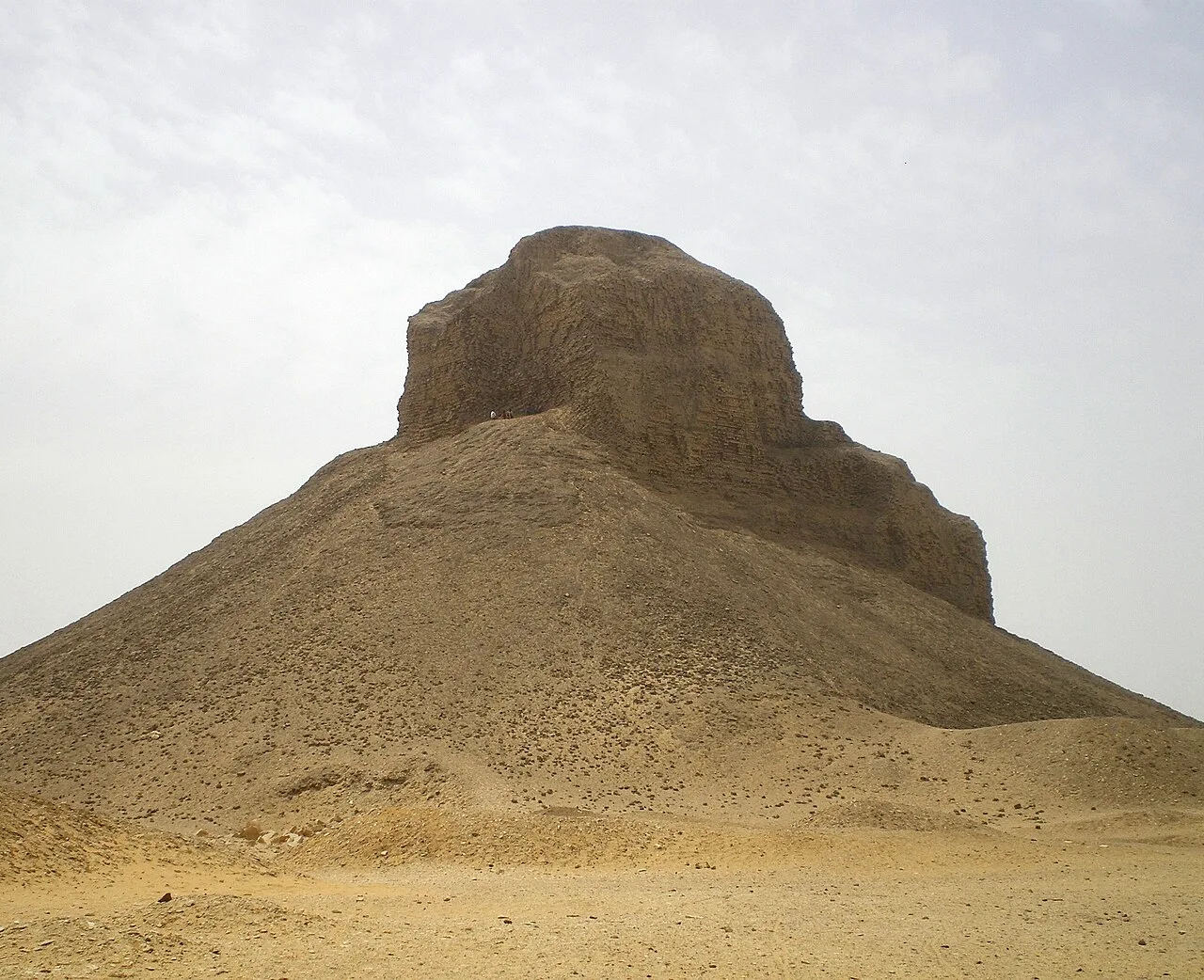
A mudbrick pyramid at Dahshur built by Amenemhat III of the Middle Kingdom.
The Black Pyramid (Egyptian Arabic: الهرم الأسود, romanized: al-Haram al-ʾAswad) was built by King Amenemhat III during the late Middle Kingdom of Egypt (2055–1650 BC).
It is one of the five remaining pyramids of the original 11 pyramids at Dahshur in Egypt. Originally named Amenemhet is Mighty, the pyramid earned the name Black Pyramid for its dark, decaying appearance as a rubble mound. The Black Pyramid was the first to house both the deceased king and his queens. Jacques de Morgan, on a French mission, began the excavation on the pyramids at Dahshur in 1892. The German Archaeological Institute of Cairo completed excavation in 1983.
Structure
The pyramid was originally about 75 metres (246 ft) tall with a base 105 metres (344 ft) long and an incline of 57°. Typical for pyramids of the Middle Kingdom, the Black Pyramid, although encased in limestone, is made of mud brick and clay instead of stone. The ground-level structures consist of the entrance opening into the courtyard and mortuary temple, surrounded by walls. There are two sets of walls; between them, there are ten shaft tombs, which are a type of burial structure formed from graves built into natural rock.
The pyramid was built with an east–west orientation and has two entrances located on the south-eastern and south-western corners.
The core of the superstructure was of mud brick with no internal walls; possibly a weight saving measure considering how close the pyramid was to the Nile River. The pyramid was, however, built on clay that was incapable of supporting its weight and it began to sink, just as the Bent Pyramid of Sneferu at Dashur had done centuries before. The two pyramids are approximately 1.5 kilometres (0.93 mi) apart.
The outer cladding of limestone "veneer" was held together with dovetail pegs, following the style of his father's tomb. The finished dimensions were approximately 200 cubits per side and 150 cubits high.
The pyramidion (capstone) was covered with inscriptions and religious symbols. Some of these were later scratched off, leading researchers to conclude the pyramidion was either never used or was defaced during Akhenaten's rule.
Below ground level in the subterranean structure lay a network of complicated passages. The "King's section" remains mostly intact with a sarcophagus and canopic jar; however, the king was not buried there. The "Queen's section" was broken into by robbers and looted. There are four other burial chambers in the subterranean structure; to whom they belong, however, is unknown. Two are thought to belong to King Amenemhet IV and queen Sobekneferu.
As the pyramid sank, it began to crush the chambers located beneath it. The builders tried hastily installing supporting beams and mud brick walls to stop the sinking, but this final effort was unsuccessful and the pyramid was ultimately abandoned.
Source: Wikipedia · text available under CC BY-SA 4.0
- Location
- Giza, Egypt
- Coordinates
- 29.7917, 31.2236
- Category
- Pyramids
Source: Wikipedia · Factual information about the real landmark; unrelated to virtual ownership.
Price & ownership history
Landmarks near Black Pyramid
Map →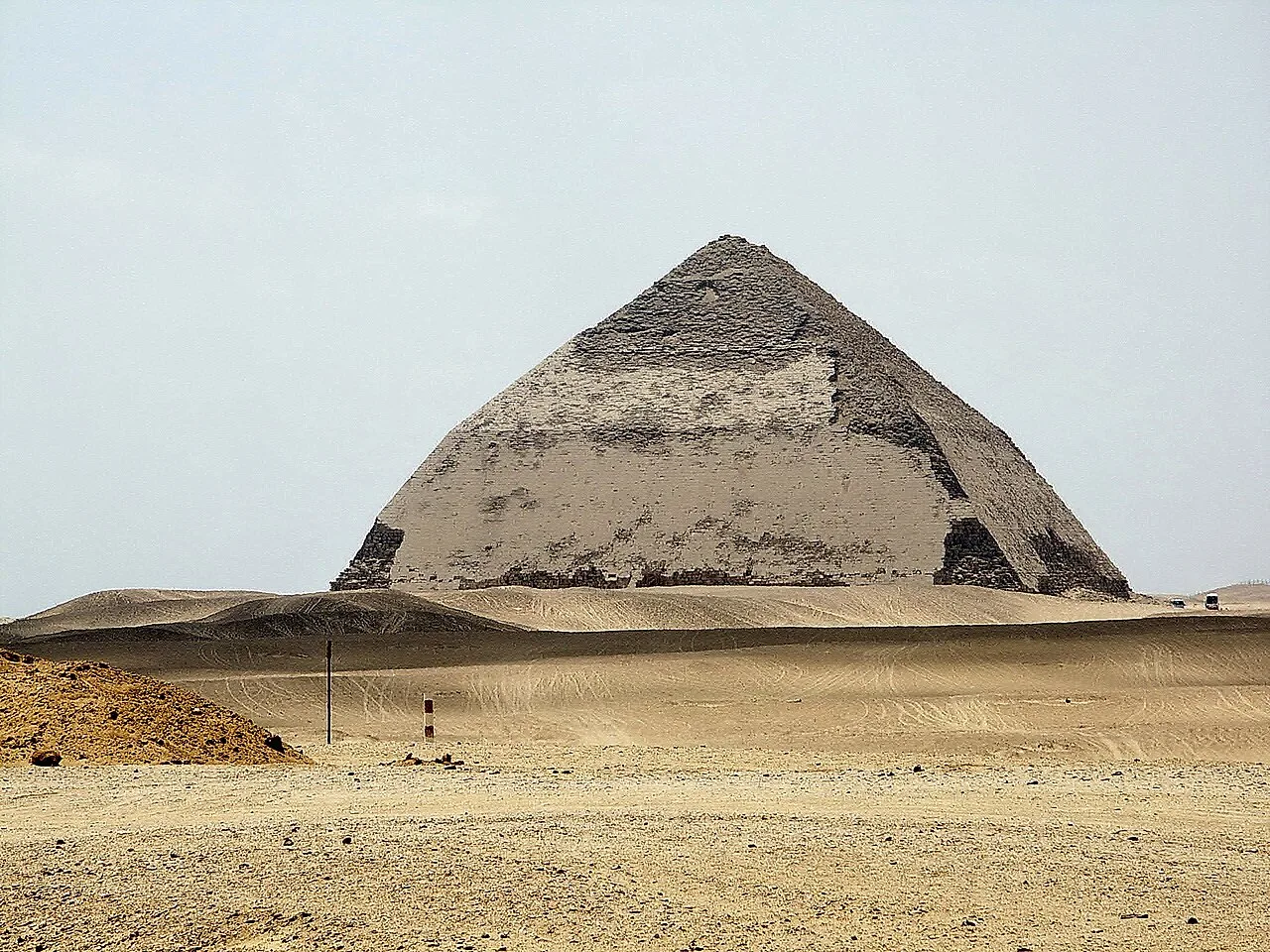 Available
📖 84 K reads
Available
📖 84 K reads
 Available
📖 92 K reads
Available
📖 92 K reads
 Available
📖 7 K reads
Available
📖 7 K reads
 Available
📖 9 K reads
Available
📖 9 K reads