Garden City
Virtual asset linked to this landmark
- Virtual owner
- The platform
- Times sold
- 0
- Fame on Wikipedia
- 6,441 article reads in 12 months
- Searches (30 days)
- 0
- Watching
- 0
Virtual ownership only. It gives no legal, financial or physical right in the real landmark. Prices are set by the market and may fall.
About Garden City and its history
A Nile-side district in central Cairo noted for its winding streets.
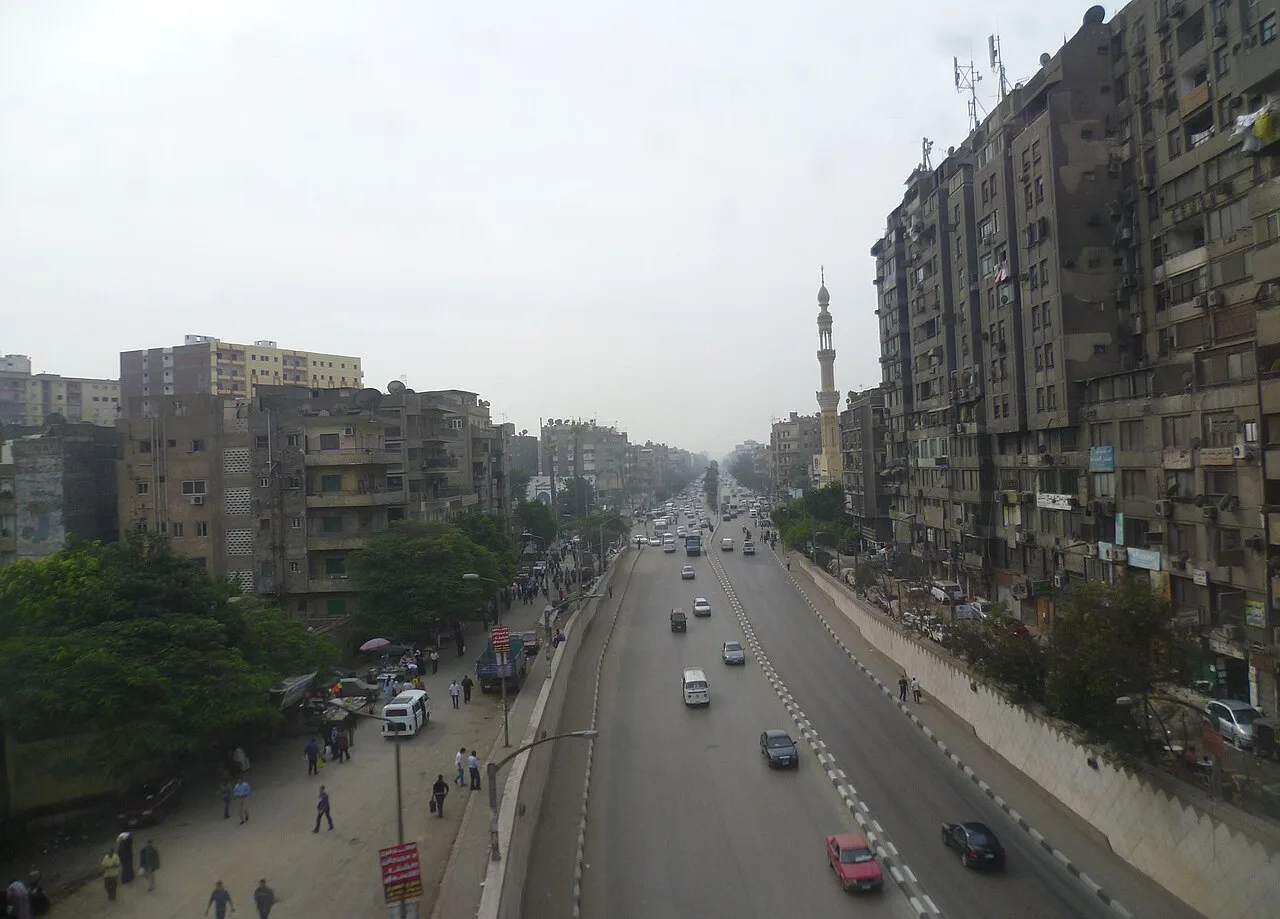
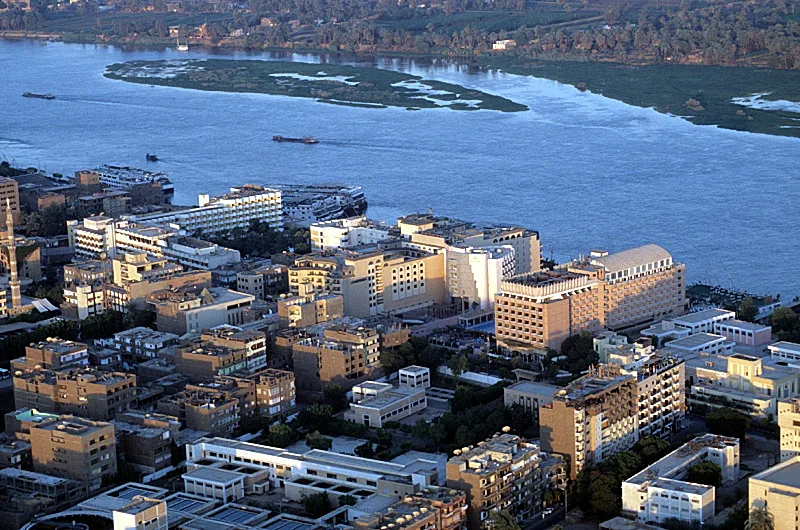
Garden City (Arabic: جاردن سيتي) is an early-20th-century real estate development loosely based on the English garden city movement, and is today a mixed residential and administrative quarter in qism Qasr al-Nil in the West District of Cairo, Egypt. It spans the east side of the Nile just south of Wust al-Balad (downtown) and the famous Midan Tahrir (Tahrir Square), and north of Old Cairo. Two main streets, Qasr al-Ayni Street on the east and the Nile Corniche on the west, delineate its eastern and western borders. Garden City is known for its quiet, upscale, and secure atmosphere. The United States, British, Italian and more Embassies are located there.
Administrative status and population
Strictly speaking, the original Garden City development is a quarter (shiakha) in qism Qasr al-Nil, though its name also encompasses the Qasr al-Dubara shiakha between it and the Ismailia shiakha to their north that holds the famous Tahrir (former Ismailia) Square.
In 2017 Garden City had 5217 residents, making it the most populous shiakha in qism Qasr al-Nil.
History
As the Nile's course shifted west away from medieval Cairo, the areas it left behind became swampy plains. During Mohammed Ali's reign in the first half of the 19th century, the area was reclaimed with the swamps filled in and the sandy mounds of Tal al-Akareb (Scorpions Hill) were transformed into orchards and bean fields. Within decades they became royal domain land where a number of palaces were built overlooking the Nile: Kasr al-Dubara for Mohamed Ali's son Ibrahim Pasha, and Kasr al-Aaly (High Palace) for Khedive Ismail's mother.
Description
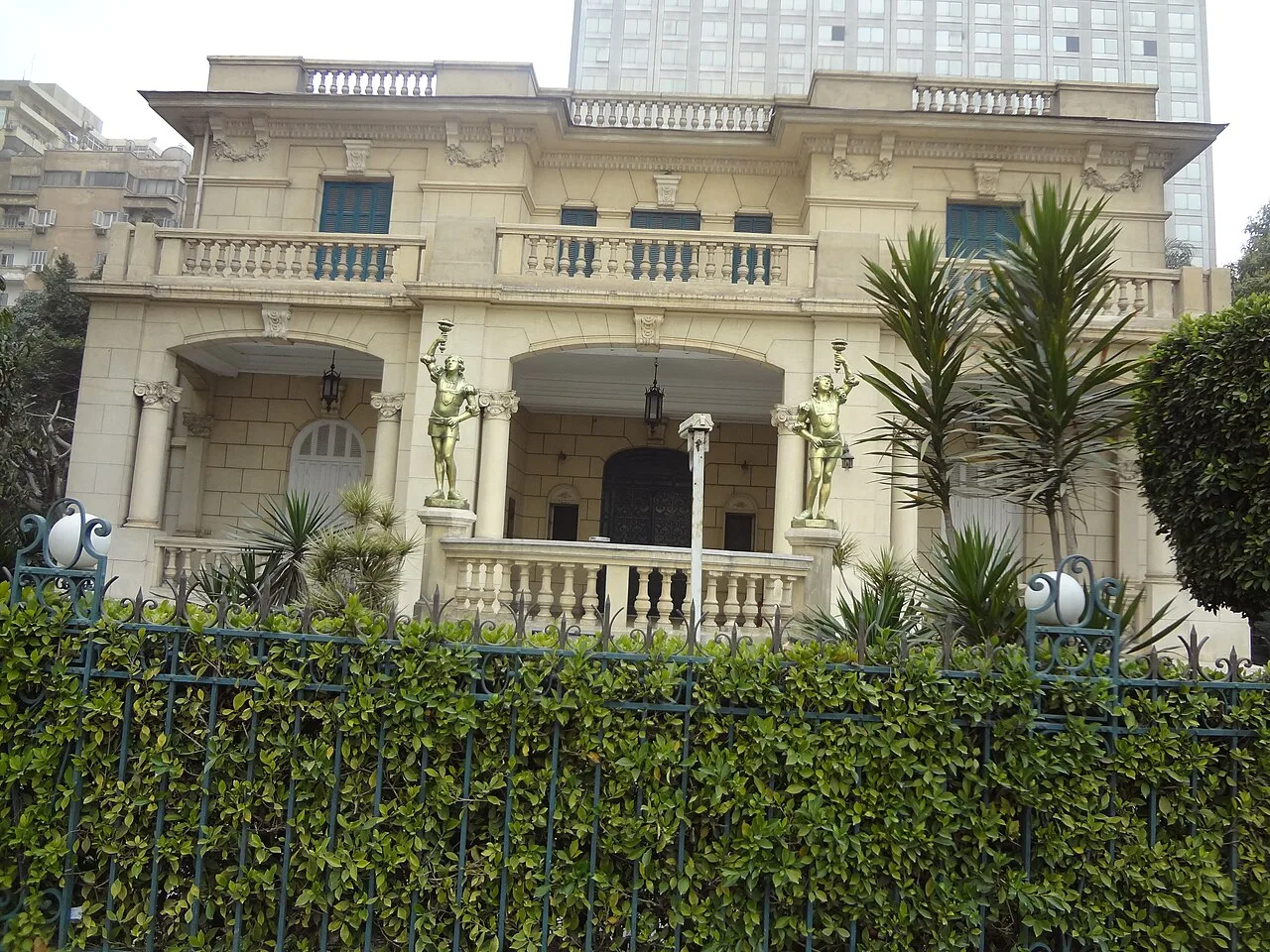
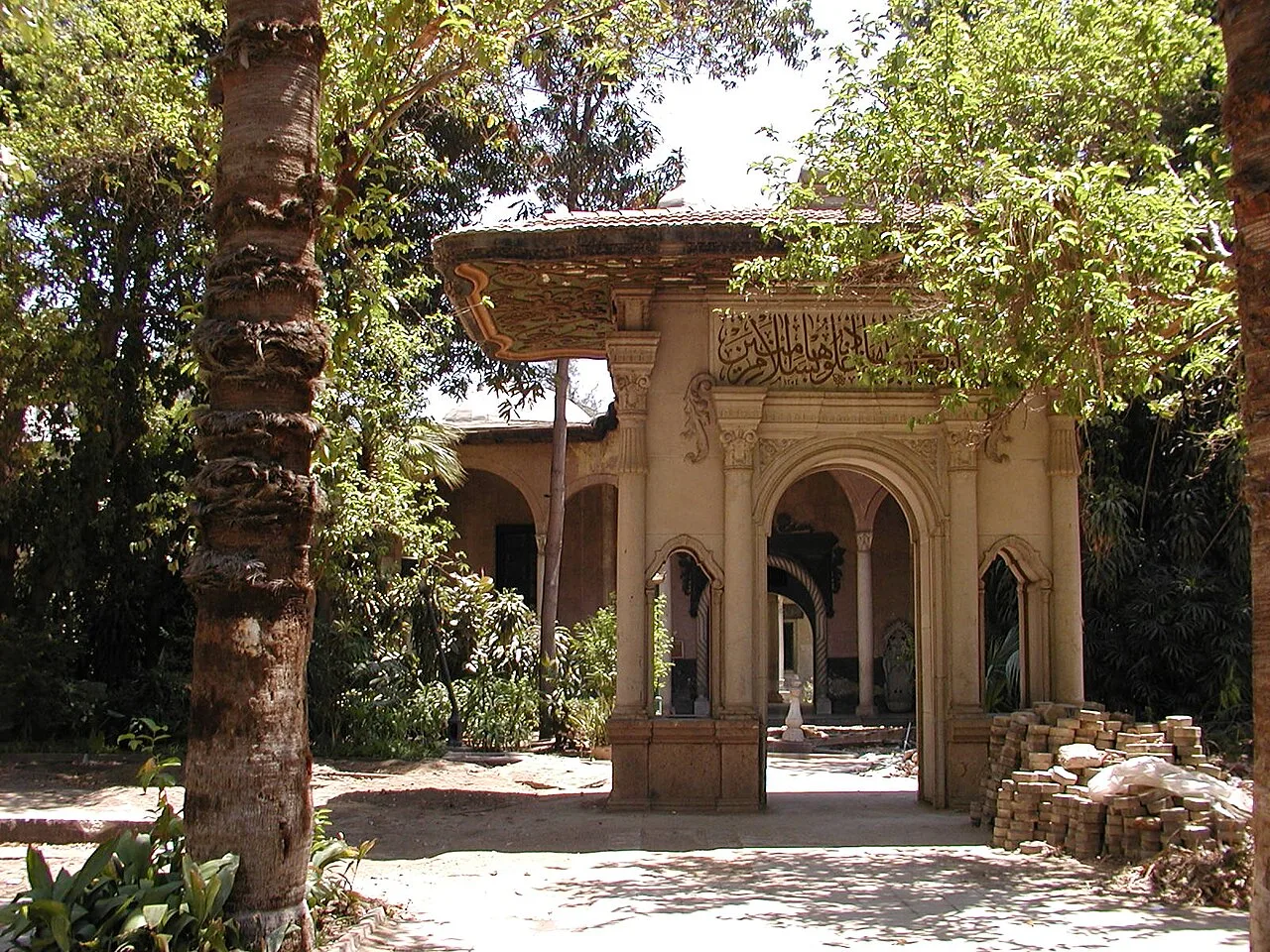
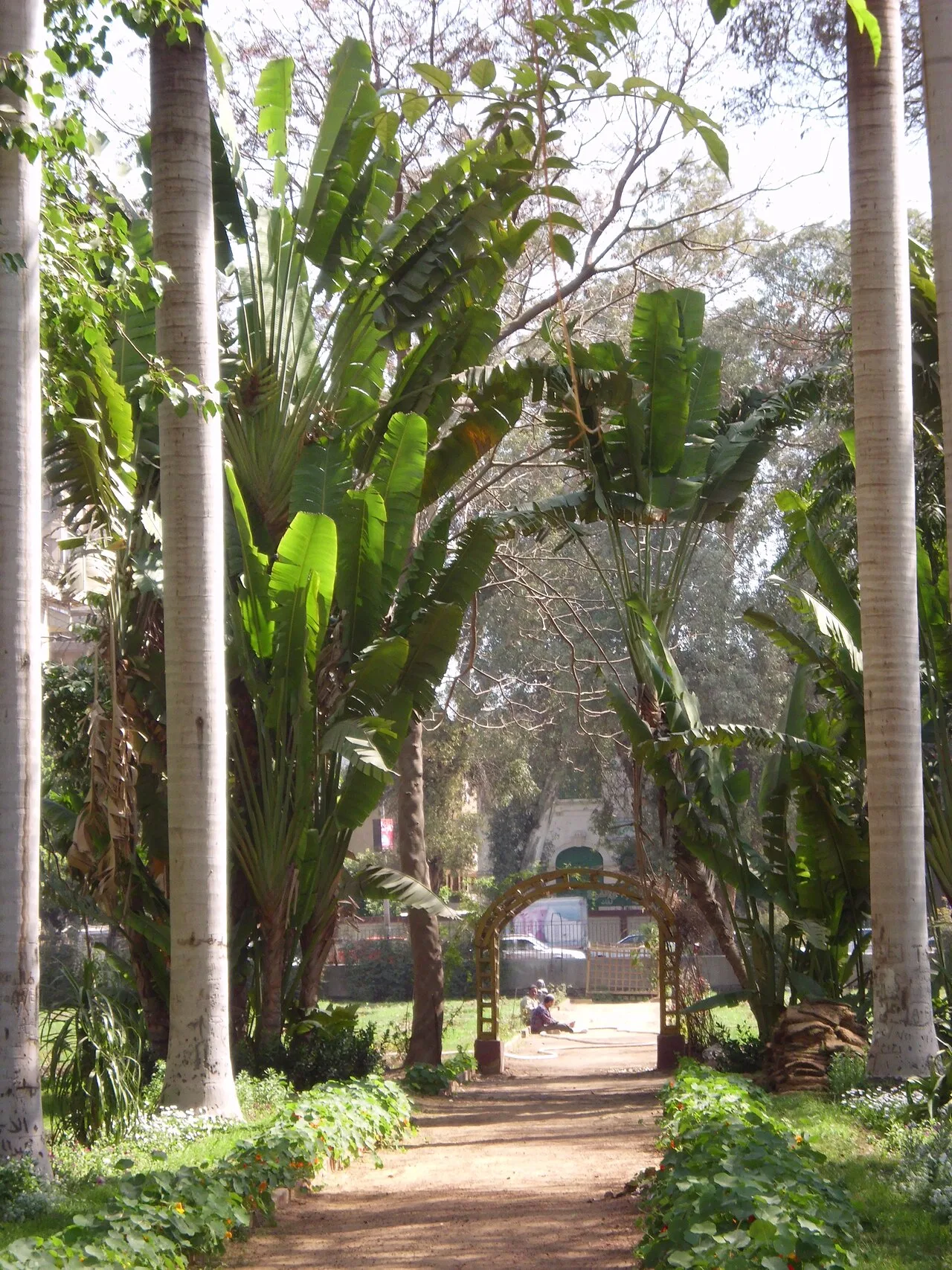
Garden City, in addition to Zamalek, Maadi, Mohandessin, and Heliopolis, is one of the wealthy residential districts in Greater Cairo. Garden City was developed differently from most of the other neighborhoods and districts in Cairo. It was planned by private investors as opposed to the natural development of cities characterized by the disorganized migration of people. Its landscape, street layout, architecture, and general atmosphere can be explained by both the nature of its founders and Khedive Ismail's attempts to Europeanize Cairo. Garden City was a city strictly planned by private investors wishing to escape the period of national construction that took place until 1952. Its quiet, tree-lined streets, beautiful gardens, and elegant, ornamental palaces coupled with the proximity to the American and British embassies make it an attractive place for affluent Cairenes and tourists. Furthermore, the geography and landscape more closely resemble a lofty, European village. In line with the European feel of the district, Italian architect Beyerly designed the palace. Garden City was modeled after an English garden suburb meant to radiate tranquility and security.
Source: Wikipedia · text available under CC BY-SA 4.0
- Location
- Cairo, Egypt
- Coordinates
- 30.0360, 31.2310
- Category
- Districts, Streets & Markets
Source: Wikipedia · Factual information about the real landmark; unrelated to virtual ownership.
Price & ownership history
Landmarks near Garden City
Map →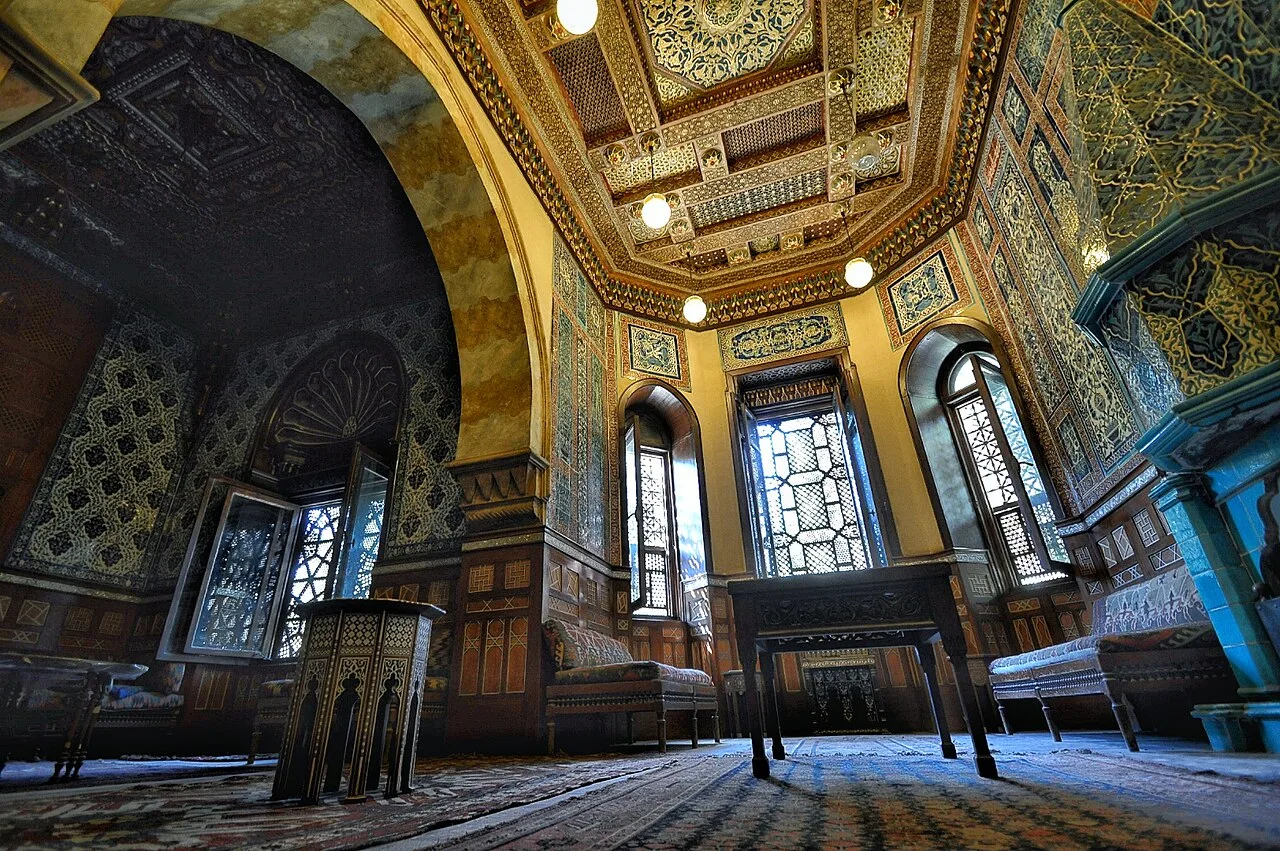 Available
 Available
 Available
 Available