Lake Nasser
Virtual asset linked to this landmark
- Virtual owner
- The platform
- Times sold
- 0
- Fame on Wikipedia
- 57,606 article reads in 12 months
- Searches (30 days)
- 0
- Watching
- 0
Virtual ownership only. It gives no legal, financial or physical right in the real landmark. Prices are set by the market and may fall.
About Lake Nasser and its history
One of the world's largest man-made lakes, formed behind the Aswan High Dam.
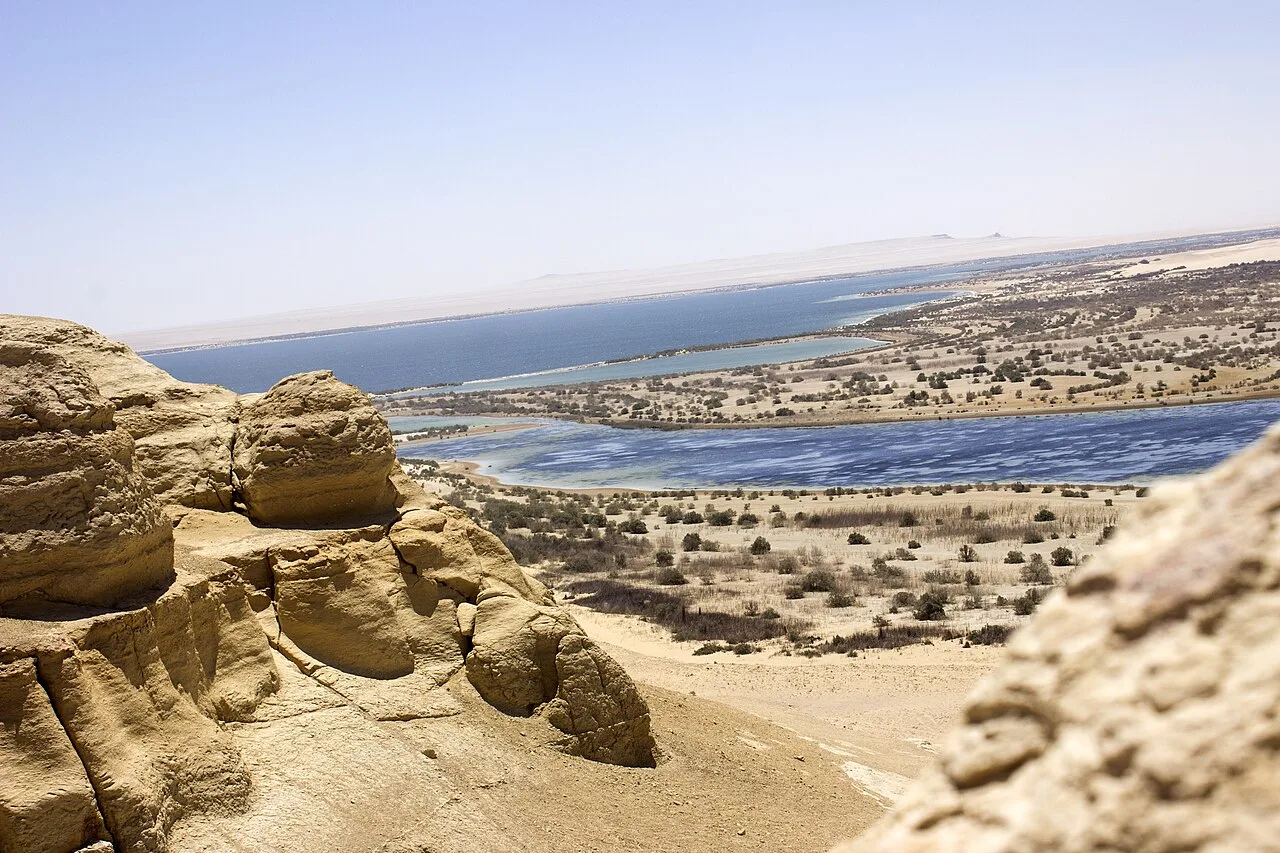
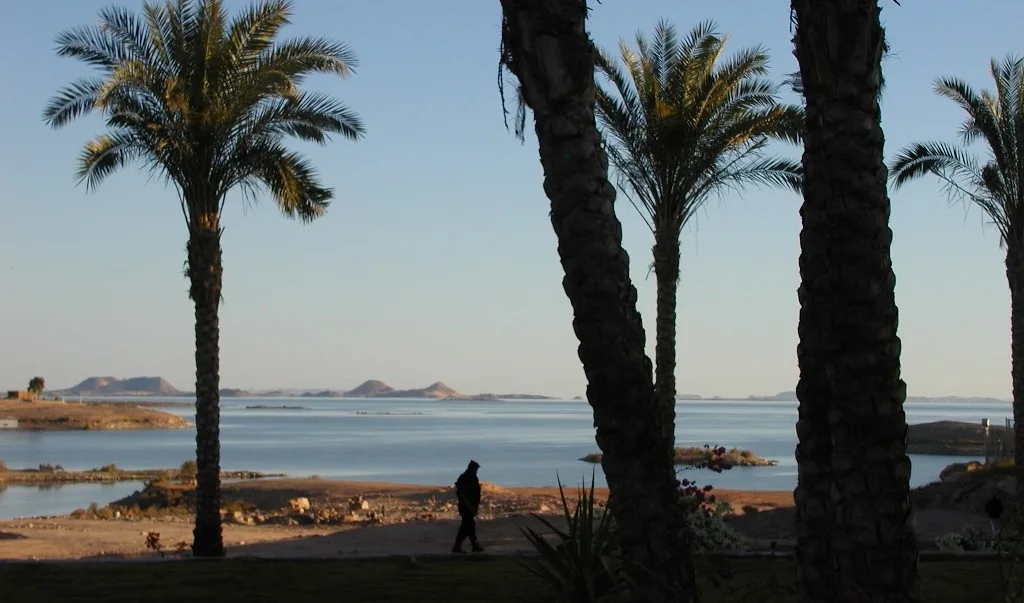
Lake Nasser (Arabic: بحيرة ناصر Boħeiret Nāṣer, Egyptian Arabic: [boˈħeiɾet ˈnɑːseɾ]) is a large reservoir in southern Egypt and northern Sudan. It was created by the construction of the Aswan High Dam and is one of the largest man-made lakes in the world. The lake has become an important economic resource in Egypt, improving agriculture and supporting robust fishing and tourism industries. The lake is named after Gamal Abdel Nasser, the second President of Egypt.
Strictly speaking, Lake Nasser refers only to the much larger portion of the lake that is in Egyptian territory (83% of the total), with the Sudanese preferring to call their smaller body of water Lake Nubia (Egyptian Arabic: بحيرة النوبية Boħēret Nubeya, [boˈħeːɾet nʊˈbejjæ]). Before its creation, the project faced opposition from Sudan as it would encroach on land in the northern part of the country, where many Nubian people lived who would have to be resettled. In the end, Sudan's land near the area of Lake Nasser was mostly flooded by the lake.
Physical characteristics
The lake is some 479 km (298 mi) long and 16 km (9.9 mi) across at its widest point, which is near the Tropic of Cancer. It covers a total surface area of 5,250 km2 (2,030 sq mi) and has a storage capacity of some 132 km3 (32 cu mi) of water.
When the water level is high enough, the overflow empties westward into the Toshka Lakes.
Before the construction of the Aswan High Dam and the consequent creation of the Lake Nasser, the area that the lake now occupies was a significant part of the region of Nubia, home to several pharaohs of Egypt and empires such as that of the Kush.
The construction of the Aswan High Dam began in 1960 at the behest of Lake Nasser's namesake and the second president of Egypt, Gamal Abdel Nasser. It was President Anwar Sadat who inaugurated the lake and dam in 1971. Finished in 1970, the Aswan High Dam across the Nile was built to replace the insufficient Aswan Low Dam built in 1902. The goals of the High Dam and the reservoir it created, Lake Nasser, were to create a more stable source of water, to increase agricultural production, and to produce electricity for Egypt.
The construction of the Aswan High Dam and Nasser Lake was host to several controversies related to its effects on the environment and those living in the affected area.
As a result of the construction of Aswan High Dam and the subsequent filling of Nasser Lake, tens of thousands of native Nubians were forced to relocate from their homes and migrate elsewhere. Though some have been able to resettle on the shores of the new lake, their original homes have been flooded and lost to the lake.
The construction of the Aswan High Dam and Nasser Lake sparked an international movement to preserve the history of the region. Due to the filling of the new Lake Nasser, much of the region would be flooded and as such, the ancient monuments and artifacts that lay there would have been lost.
Source: Wikipedia · text available under CC BY-SA 4.0
- Location
- Aswan, Egypt
- Coordinates
- 22.8300, 32.5000
- Category
- Nature & Parks
Source: Wikipedia · Factual information about the real landmark; unrelated to virtual ownership.
Price & ownership history
Landmarks near Lake Nasser
Map →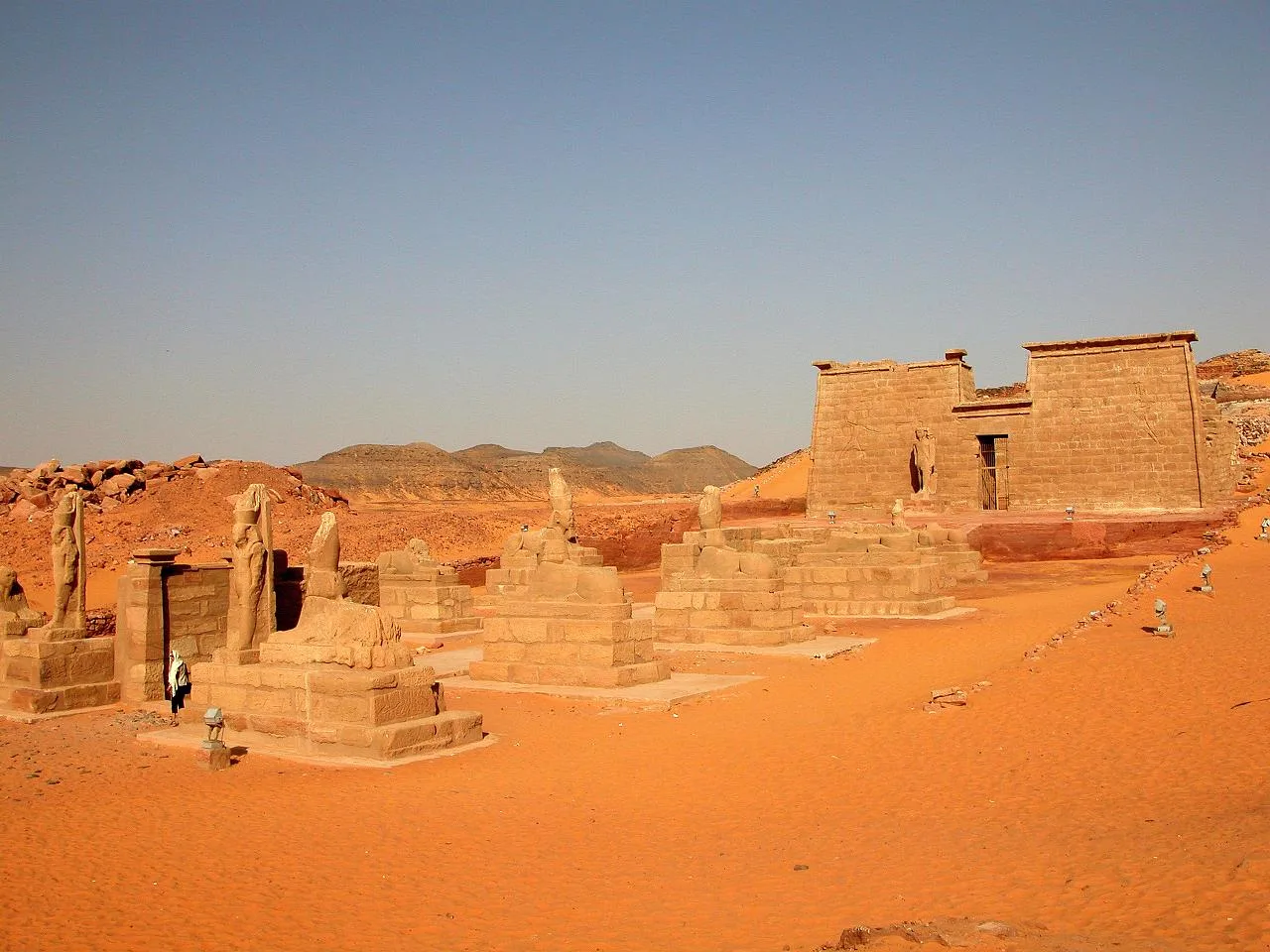 Available
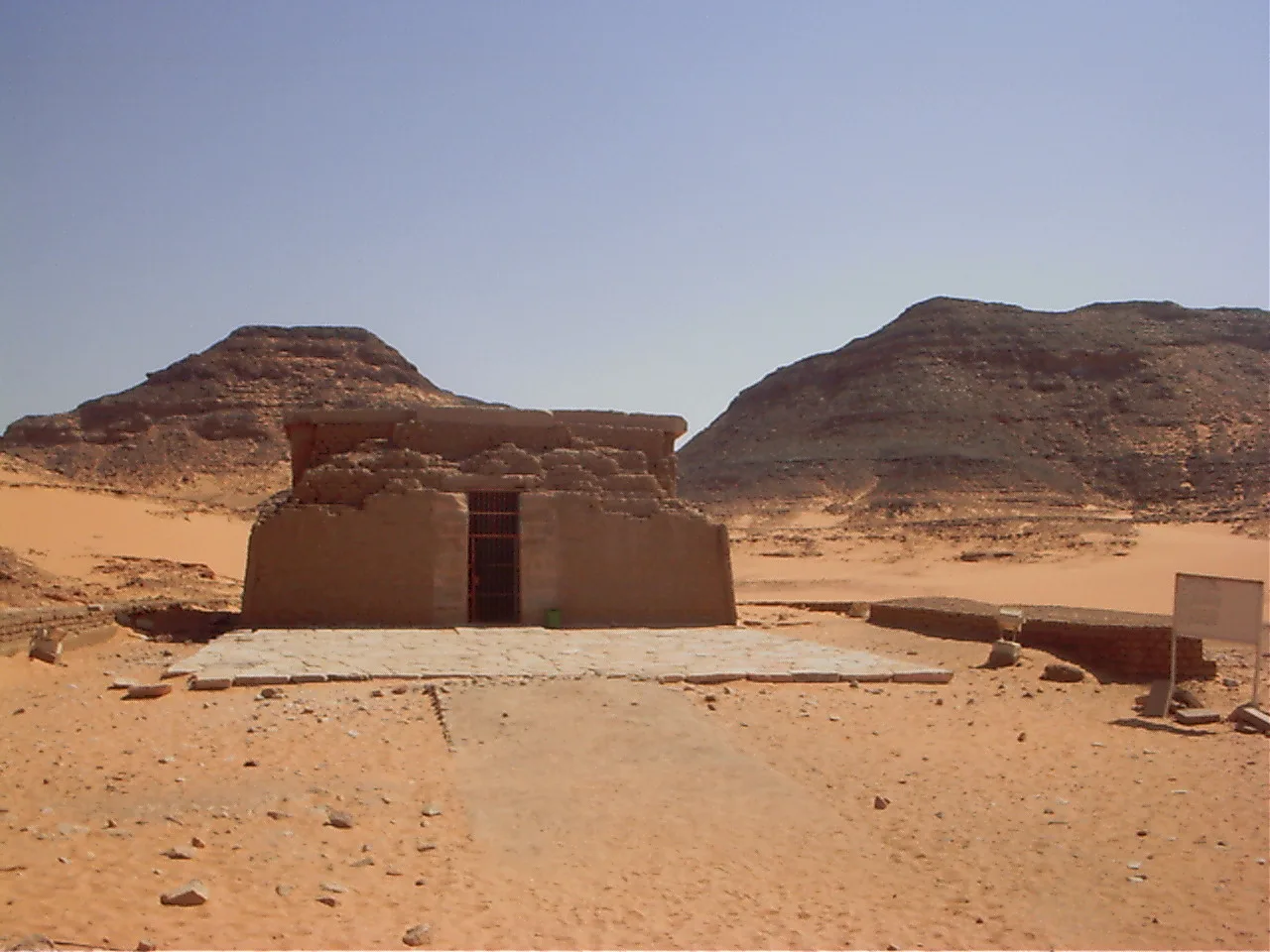 Available
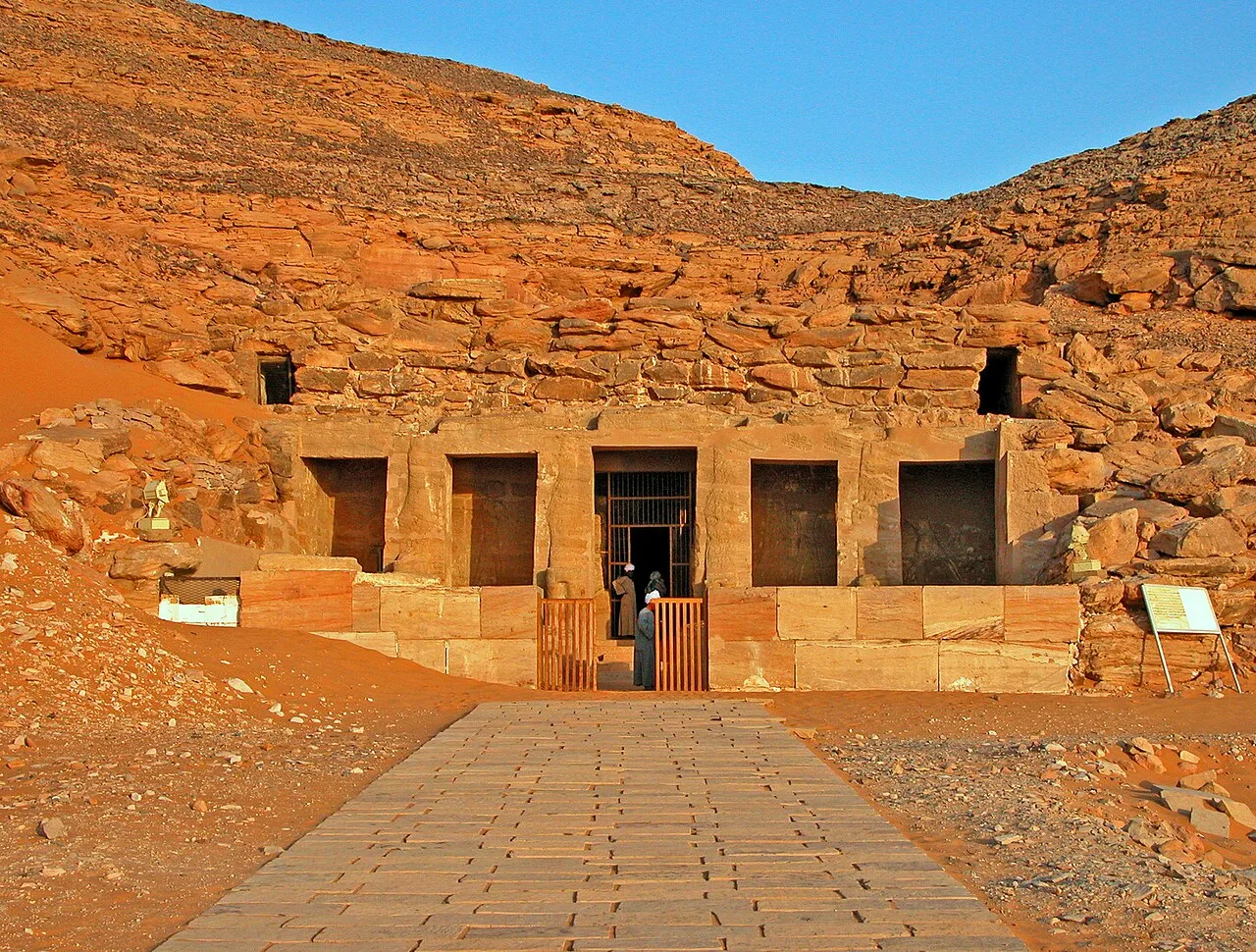 Available
 Available