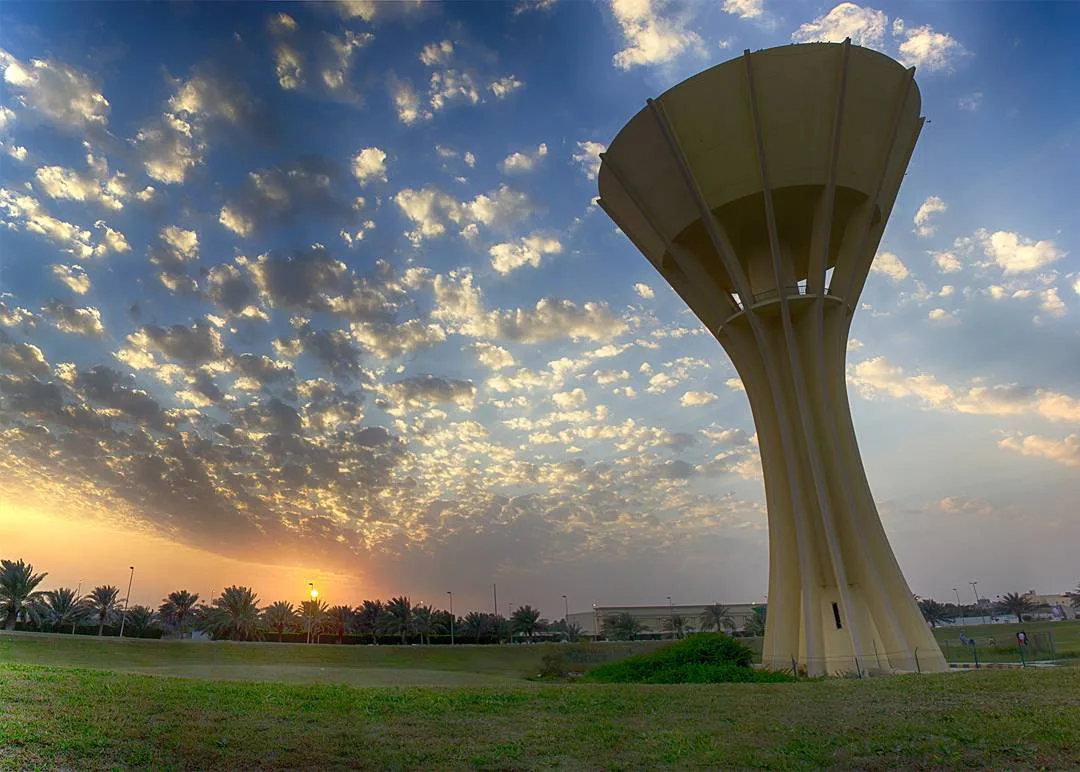
Qatif Oasis
Virtual asset linked to this landmark

- Virtual owner
- The platform
- Times sold
- 0
- Fame on Wikipedia
- 49,305 article reads in 12 months
- Searches (30 days)
- 0
- Watching
- 0
Virtual ownership only. It gives no legal, financial or physical right in the real landmark. Prices are set by the market and may fall.
About Qatif Oasis and its history
A coastal palm oasis on the Arabian Gulf.
Qatif (Arabic: ٱلْقَطِيف, romanized: al-Qaṭīf) is a governorate located in Eastern Province, Saudi Arabia. It extends from Ras Tanura and Jubail in the north to Dammam in the south, and from the Persian Gulf in the east to King Fahd International Airport in the west, The governorate includes three major cities‒Qatif City, Safwa City, and Saihat City‒along with numerous towns, villages, and the island of Tarout. Each city and town has its own sub-municipality operating under the main municipality.
Qatif is one of the oldest settlements in the Arabian Peninsula. Its history goes back to 3500 BC, more than 5,000 years ago, and it was a key part of Eastern Arabia, also known as Greater Bahrain. It was known to the Sumerians as Dilmun and according to the Epic of Ziusudra, is where King Ziusudra (the Sumerian Noah) came to dwell after the floodwaters receded and his boat came to rest.
Qatif, along with Al-Ahsa, are the historical core of the modern-day Eastern Province of Saudi Arabia. Both governorates are home to indigenous populations of Shia Muslims who have resided in the region for centuries. In contrast, cities such as Dammam and Khobar are relatively recent developments, established in the 20th century, with populations that largely migrated from Najd. Before the discovery of oil, Qatifi people used to work as merchants, farmers, and fishermen. However, with the development of the oil fields in the late 1940s, Qatif lost its status as an important port to Dammam, and since the 1990s has focused on the oil industry, public services, education, and healthcare sectors.
Several travelers visited the city, most famously Abulfeda, who wrote: "Al-Qatif: a town next to Al-Ahsa, of a beautiful nature, whose people are well-groomed, and it is on the Arab side of the Persian Sea coast." Ibn Battuta visited also, writing: "Then we traveled to the city of Al-Qatif, its name is derived from fruit picking, which is an oasis of water and a large city with many palm trees inhabited by sects of Shia Arabs."
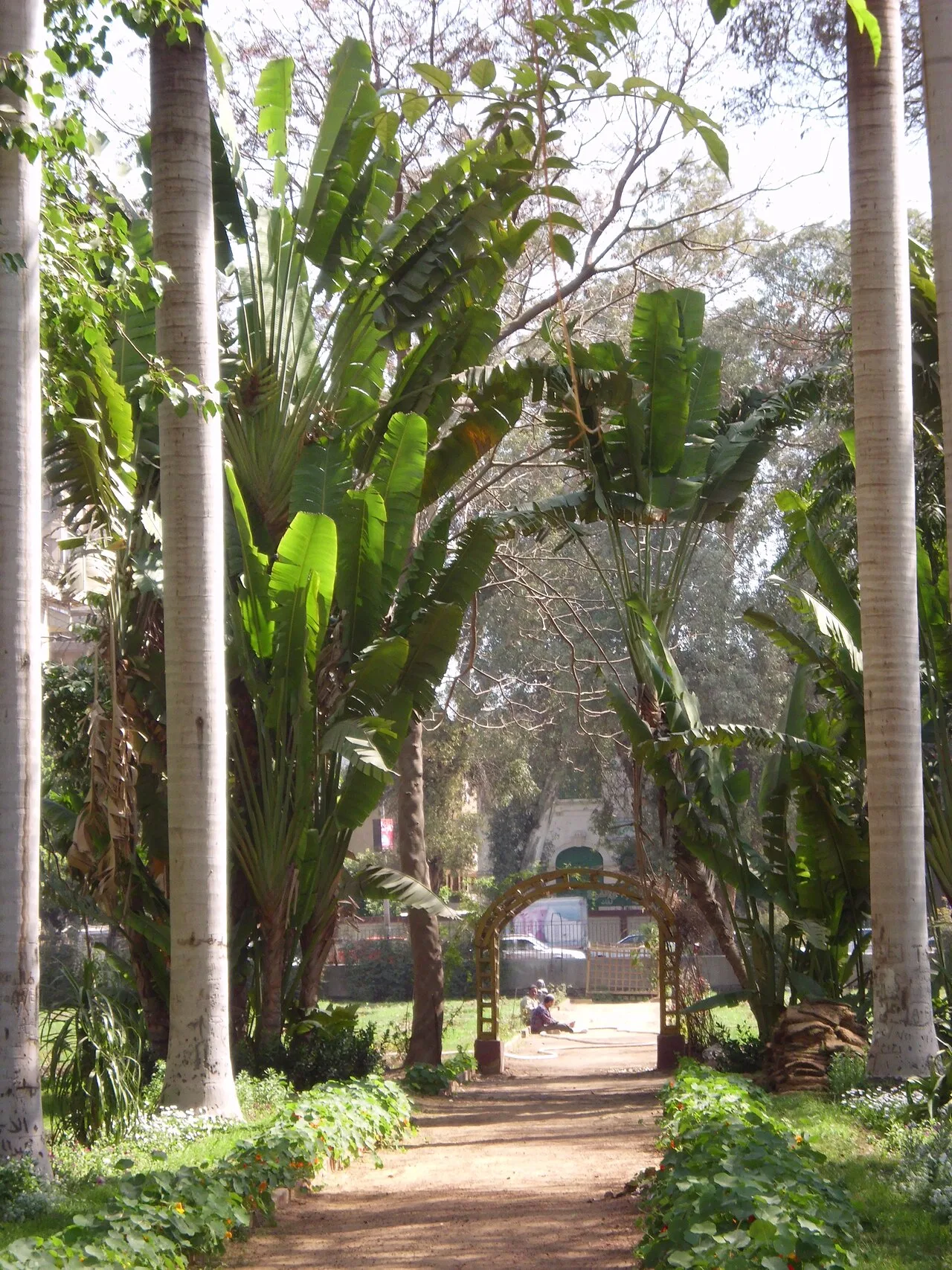
Its survival in the midst of desert surroundings is due not only to its being a coastal city but to the fact that Qatif is a green oasis with rich agricultural soil. Qatif itself is surrounded by a jungle of palm trees. Springs are abundant in the oasis of Qatif. In the east lies the Persian Gulf, its warm and calm waters rich in marine life including fishes, shrimps, and pearl oysters. Also, some springs are found in the midst of its waters. In the west lies ad-Dahna Desert, its golden sands intermingled with little rocky heights. There are many landmarks in Qatif such as the old city of the Qala'a and Awamiya; Tarout Castle; Darin castle, which was built to repel the attacks of the Portuguese campaign on Bahrain in the 15th century; and traditional markets such as the Khamis market, in addition to statues, which were transferred to the National Museum in Riyadh to be preserved.
Source: Wikipedia · text available under CC BY-SA 4.0
- Location
- Qatif, Saudi Arabia
- Coordinates
- 26.5600, 49.9900
- Category
- Nature & Parks
Source: Wikipedia · Factual information about the real landmark; unrelated to virtual ownership.
Price & ownership history
Landmarks near Qatif Oasis
Map → Available
📖 964 reads
Available
📖 964 reads
 Available
 Available
 Available
📖 10 K reads
Available
📖 10 K reads